More

    Pakistan: 195 Transgenders Killed in Khyber Pakhtunkhwa

    Transgender vulnerability in Khyber Pakhtunkhwa stems from stigma and exclusion. Studies reveal internalized shame, perceived unemployability/sex work, enacted exclusion from family, school, religion, healthcare. Vulgarity views enable unchecked violence.

    By Rabia Ajaib

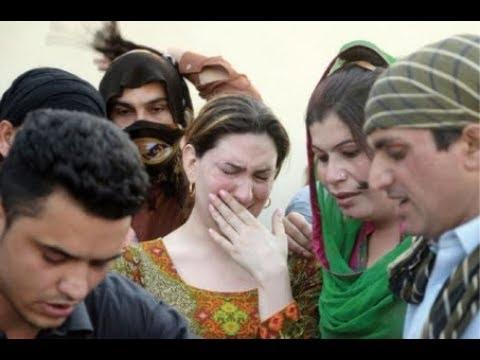
    Across the northwestern Pakistani province of Khyber Pakhtunkhwa (KP), a grim pattern of violence against transgender individuals is emerging. According to community sources cited by the local news outlet Tribal News Network, some 195 members of the transgender community have been killed in the province since 2015, and at least 13 brutal attacks have been reported in the first ten months of 2025 alone.

    Violent attacks – ranging from torture and shootings to gang-rape – have rocked districts across KP, including the likes of Swat and Dera Ismail Khan. In one recent incident in Swat a 20-year-old transgender person, identified as Umair (alias Shayan), was tortured by two men, sustaining multiple fractures including to the jaw and spine. Local police confirmed arrests in that case.

    In Dera Ismail Khan, the chain of violence took an even more horrifying shape when a transgender individual was allegedly gang-raped by four men, bound with ropes and assaulted before registering a complaint – highlighting not just deadly acts, but wider sexual violence targeting the community.

    Activists say that in 2025 alone at least 11 individuals from the transgender community have already been murdered in KP, with most cases focused around the provincial capital of Peshawar.

    Yet many experts caution that these figures likely under-represent the true scale of violence, given the reluctance of victims to report and the absence of robust official statistics.

    Stigma; Systemic Marginalisation

    The heightened vulnerability of the transgender community in KP is under-pinned by long-standing social stigma and structural exclusion. A qualitative study of khwaja sira (third-gender) people in the Swat Valley, KP, found three overlapping dimensions of discrimination: internalised stigma (feelings of shame), perceived stigma (public views of them as unemployable or sex workers) and enacted stigma (exclusion from family, school, religious spaces, healthcare).

    Societal attitudes in many parts of Pakistan continue to associate transgender people with “vulgarity” or impropriety, allowing violence and abuse to flourish unchecked. As one activist in KP put it:

    “This reflects not only entrenched violence but also the dangerous thought process that sees us as expendable.”

    The consequences of this marginalisation are manifold: many transgender individuals in KP have limited access to formal employment, health care and safe housing; some are pushed into begging, dancing or sex-work to survive.

    In healthcare, for example, KP’s health department announced in April 2024 a policy to designate a separate room in public hospitals for transgender patients – a step welcomed by the community, but still far from mainstreaming inclusive treatment.

    Legal Protections and Culture

    On paper, Pakistan has taken important steps to protect transgender rights. The Transgender Persons (Protection of Rights) Act, 2018 allows individuals to self-identify as a third gender and bans discrimination in education, employment and public services.

    But in KP the gap between legislation and reality remains wide. Investigations into murders of transgender individuals are often delayed, perpetrators remain at large and victims rarely receive justice. For example, in KP the community estimates that none of the previous 122 killings had resulted in convictions.

    Activists also point to the absence of safe housing, livelihood schemes, and meaningful police engagement. They say law-enforcement often treats attacks as ordinary crime rather than hate-based violence, with little transparency or follow-through.

    Moreover, the very fact that community leaders cite 195 deaths since 2015 indicates persistent under-reporting and invisibility of the violence.

    The violence faced by transgender individuals in KP is not isolated – it reflects intersecting layers of gender-based oppression, poverty, legal invisibility and societal hostility. When almost 200 lives are lost across a province over a decade, the implications for human rights, public health and justice policy are profound.

    For one, the high death toll signals that KP is a hotspot for gender-based violence beyond the usual focus on women and girls – a narrative that is rarely acknowledged publicly. Secondly, the human cost undermines efforts to promote inclusive development, especially in a province already grappling with other forms of insecurity and deprivation.

    Vulnerable Citizens

    Trans-rights organisations in KP are calling for:

    • Transparent, public-facing data on killings, attacks and harassment of transgender persons.
    • Dedicated police units to investigate hate-based violence, with community tracking of outcomes.
    • Economic empowerment programmes tailored for transgender individuals — including skills training, safe employment and access to social protection.
    • Rapid-response housing and shelter mechanisms for those displaced by family or community violence.
    • Broader societal awareness campaigns, particularly in conservative Pashtun areas of KP, aimed at challenging stigma.

    One civil-society leader stated:

    “Is it the transgender community who is spreading vulgarity, or are we being blamed so society can escape from the dirty realities and pin them on us?”

    The coming months will test the provincial government’s commitment to protecting its most vulnerable citizens – and whether the deadliest chapter in KP’s transgender community can finally force meaningful change.

    In the absence of reliable official statistics, the 195-life figure cited by community sources stands as a stark reminder: law, policy and compassion still lag far behind the lived realities of transgender people in KP. The question now is whether this crisis will spur action — or remain a silent tragedy.

    Nepal Faces Acute Shortage of Birth Control Shots; Family Planning Services Disrupted

    Experts warn prolonged supply disruptions may increase unintended pregnancies and unsafe abortions. A 2022 report from UNFPA shows half of Nepal’s pregnancies are unintended, with nearly two-thirds ending in abortion.

    Health facilities across Nepal are grappling with an acute shortage of contraceptive services, posing a serious setback to the country’s family planning efforts. According to a report in the The Kathmandu Post, state-run health clinics have not received key contraceptive supplies, including the widely used shot Depo‑Provera and intrauterine devices (IUDs), for months. This has raised concern among health officials and experts.

    Officials from the Health Logistics Management Centre in Bagmati Province say only about 200 doses of Depo-Provera and 350 IUDs remain in the provincial store – stocks held back deliberately amid rising demand from peripheral health facilities. “We have been unable to supply Depo-Provera, intrauterine devices (IUD) to health facilities for months due to the lack of those means in stock,” said Nelson Mahat, the centre’s information officer.

    The procurement gap is not isolated to Bagmati Province – similar shortages have been identified in other provinces, including in remote regions such as Karnali, where local offices have reported only a dozen or so doses remaining at district levels.

    Health ministry officials and programme managers attribute the shortfall to a convergence of factors:

    • The failure of federal agencies to initiate procurement of essential contraceptive commodities since 2024.
    • The rapid appreciation of the US dollar against the Nepali rupee, which has driven up the cost of imported supplies.
    • The suspension of funding from the United States Agency for International Development (USAID) earlier in the year, which previously supported contraceptive supply lines.
    • Reduced national budget allocation for family-planning services despite escalating demand. For instance, officials say the Programme needs roughly Rs 540 million annually but currently receives only about Rs 100 million.

    Dr Pawan Jung Rayamajhi, director of the Management Division at the Department of Health Services, confirmed that procurement is “still in process and it is taking time”.

    Consequences for Reproductive Health

    The shortage comes at a time when contraceptive demand is increasing. Depo-Provera is among the most commonly used modern methods in Nepal, providing an injectable alternative to pills or implants. IUDs are also widely used – a small T-shaped device inserted into the uterus and capable of providing protection for up to 10 years.

    Experts warn that prolonged disruption in supply could lead to a rise in unintended pregnancies and unsafe abortions. According to the 2022 United Nations Population Fund (UNFPA) report “Seeing the Unseen”, half of all pregnancies in Nepal are unintended and nearly two-thirds of those end in abortion.

    Indeed, studies show that only about 59 per cent of women who obtain an abortion go on to use a modern contraceptive method within six weeks – and the figure declines further over time.

    Government Response and Outlook

    In response to the crisis, officials say some supplies sourced through UN agencies have just arrived and will be distributed to health facilities “at the earliest”. The Family Welfare Division has acknowledged the gap and said that health facilities that have leftover stock have been asked to share with those facing acute shortfalls.

    However, many obstacles remain. Budgets are tight across the health sector, and procurement cycles are reportedly delayed. A July editorial in The Kathmandu Post, titled “Year of broken promises”, pointed out that even essential services – including free contraceptives like Depo-Provera – have failed to meet promise levels.

    Nepal’s modern contraceptive prevalence rate has increased over the years (from 26 per cent in 1996 to about 43 per cent in 2022) and the unmet need for family planning remains around 21 per cent of married women. But the current supply disruption threatens to reverse that progress.

    In under-resourced rural districts, where access to health facilities is already limited, women may find it impossible to obtain the method they prefer, pushing them towards riskier alternatives or none at all. That, in turn, carries a heavier burden: more unintended pregnancies, higher demand for abortion services, greater strain on maternal health programmes and potentially, a rise in maternal and neonatal morbidity and mortality.

    On the Ground

    Health workers in district offices describe agonising scenarios. In Jajarkot, for example, the district health office reported only 50 doses of Depo-Provera remaining, with local health facilities already facing empty stocks. “Women seeking the service will be deprived if the birth control shots are not supplied immediately,” said Krishna Bahadur Khatri of the Jajarkot health office.

    Regular users of the injection method now face long waits, or are being told that their usual method is unavailable – forcing them to switch to pills or condoms, or forego family planning entirely.

    For Nepal to maintain gains in reproductive health and safeguard women’s access to choice, timely procurement of family-planning commodities is a must – not just for short-term relief but for system resilience. Experts say that maintaining buffer stocks covering 18–24 months is critical; earlier warnings in 2023 noted that stock coverage had already slipped dangerously low.

    Health policymakers may need to revisit budget allocations, strengthen procurement mechanisms, diversify funding sources and reinforce partnerships with development agencies. Without such action, the current shortage could permeate through Nepal’s health system with far-reaching consequences.

    Says Khatri, “For women across the country – especially in rural and marginalised communities – access to free contraception is not just a matter of convenience, but one of agency, health and rights.”

    “The current disruption reminds us that policy commitments must be matched by reliable supply chains and funding if they are to matter on the ground.”

    Image: Shutterstock

    New Climate Pledges Barely Bend the Curve on Global Warming, Warns UNEP

    Only a fraction of Paris Agreement parties submitted new pledges by September 2025, UNEP says. Global warming projections dipped marginally to 2.3–2.5°C, mostly from methodological tweaks and US withdrawal, not bolder ambition.

    The United Nations Environment Programme (UNEP) has found that fewer than one-third of the countries party to the Paris Agreement submitted updated climate commitments by the end of September 2025. Published on 4 November 2025, the new assessment underscores that global warming projections have edged down only marginally despite the new Nationally Determined Contributions (NDCs).

    According to the latest release, global average temperature rise this century – assuming full implementation of the new pledges – is now projected at between 2.3 °C and 2.5 °C, compared with 2.6 °C to 2.8 °C in last year’s estimate.

    But UNEP stresses that most of that improvement stems not from substantial new ambition but from methodological tweaks (0.1 °C) and the impending withdrawal of the United States (also around 0.1 °C).

    Ambition Gap Remains Large

    The report – quoted from its title “Off Target” – reveals the world remains far off track from the Paris goal of limiting warming to well below 2 °C and pursuing efforts to stay under 1.5 °C.

    Only 60 Parties to the Paris Agreement, representing about 63 per cent of global greenhouse-gas emissions, had either submitted or announced new mitigation targets for 2035 by 30 September 2025. Even with full implementation of these pledges, emissions in 2035 would be reduced by only about 15 per cent from 2019 levels – well short of the 35 per cent needed for a 2 °C pathway and 55 per cent for a 1.5 °C path.

    Overshoot of 1.5 °C Nearly Inevitable

    UNEP warns that the multi-decadal average temperature rise will exceed 1.5 °C, likely within the next decade, unless near-term drastic cuts are made.

    While a temporary overshoot might still be managed, it would require extremely steep reductions in emissions and massive reliance on carbon-dioxide removal methods – which remain uncertain and risky.

    The assessment emphasises that the mere submission of new NDCs is not enough – actual policy, investment and action must follow. While the projections above assume full implementation of new pledges, current policy trajectories still aim for up to 2.8 °C of warming – down from 3.1 °C last year.

    Furthermore, global greenhouse-gas emissions rose 2.3 per cent in 2024 to 57.7 gigatons of CO₂-equivalent. To align with the 2 °C pathway, emissions would need to fall by 25 per cent from 2019 levels by 2030; for 1.5 °C they would need to fall by 40 per cent. The five-year window left is described as “increasingly tight.”

    Technology & Solutions Exist – But Political Will Lags

    UNEP points out that many of the necessary low-carbon technologies are already available and cost-competitive: renewables such as solar and wind are booming and deployment costs are falling. The report notes that temperature predictions have fallen from 3–3.5 °C since the Paris Agreement’s adoption, meaning some progress has been made.

    Yet, translating technological potential into real-world emissions cuts requires strong political leadership, massive climate finance flows to developing countries, and a redesign of international financial architecture. Geopolitical headwinds and rising global emissions in major emitters are cited as key barriers. For example, emissions in G20 countries rose by 0.7 per cent in 2024.

    Why the Marginal Gains?

    UNEP’s commentary makes clear that the small drop in the projected temperature rise reflects not a surge in ambition, but rather other factors: methodology changes and country withdrawal. “The new NDCs themselves have barely moved the needle,” the assessment says.

    Inger Andersen, Executive Director of UNEP, states: “While national climate plans have delivered some progress, it is nowhere near fast enough… an increasingly challenging geopolitical backdrop.”

    Meanwhile, António Guterres, Secretary-General of the United Nations, warns that starting in the early 2030s the world is likely to cross 1.5 °C unless urgent action is taken.

    What Can Be Done Now?

    UNEP outlines a “rapid mitigation action from 2025” scenario: under this path, emissions in 2030 must fall by 26 per cent and by 46 per cent in 2035 compared with 2019 levels – to limit the overshoot to about 0.3 °C and return to 1.5 °C by 2100 with ~66 per cent probability.

    It stresses that every fraction of a degree avoided matters – reducing risks of tipping points, extreme weather, and irreversible impacts – and cuts reliance on carbon removal technologies that would need to permanently store around five years’ worth of current global emissions for each 0.1 °C of overshoot.

    For emerging economies and the Global South, the report emphasises equity and justice: rapid emissions reductions must come alongside energy access, resilience building and economic growth. The challenge is greatest in countries with fewer resources and higher vulnerability to climate impacts. And while collective global targets matter, national action – implementation – will determine outcomes.

    The new fi­gures from UNEP show a world that is inching forward but not nearly climbing fast enough. The revised global warming estimate of 2.3–2.5 °C is technically lower than before, but in practical terms the needle has barely budged.

    The window to keep the 1.5 °C goal alive is narrowing rapidly. As UNEP warns, this is no time for complacency. The tools are ready and the science is clear – what is missing is the collective will, speed and scale of action.

    Image: Hippopx

    Donald Trump Turns to National Guard as Anchor of Mass Deportation Strategy

    According to National Public Radio, Trump’s administration has already begun deploying National Guard troops to multiple cities, including Washington, DC, Oregon, Illinois and Tennessee, following earlier mobilisations in Los Angeles this summer.

    In a dramatic pivot toward militarised immigration enforcement, President Donald Trump is positioning the National Guard at the centre of his agenda to launch what he calls the “largest deportation operation in US history.” This account – reported by National Public Radio (NPR) and authored by Kat Lonsdorf – details how Guard units are being integrated into domestic immigration policy in ways that blur longstanding boundaries between military deployment and civil law enforcement.

    According to NPR, Trump’s administration has already begun deploying National Guard troops to multiple cities, including Washington, DC, Oregon, Illinois and Tennessee, following earlier mobilisations in Los Angeles this summer. The article traces the origins of the plan to years of internal discussions by Trump and his key immigration strategist Stephen Miller, in which the Guard was identified as a crucial personnel source for mass deportation.

    Throughout his 2024 presidential campaign, Donald Trump heavily emphasized anti-immigration rhetoric, repeatedly pledging to execute the largest mass deportation operation in US history.

    Donald Trump’s First Term

    During his first term (2017–2021), Trump pursued aggressive deportation goals but fell short of expectations, deporting fewer people overall than the Obama administration—around 1.5 million compared to over 3 million under Obama—due to challenges in expanding detention facilities, hiring sufficient ICE agents, legal hurdles, and limited cooperation from some local jurisdictions.

    In an April 2024 interview with TIME Magazine, Trump was directly asked whether his deportation plan would involve the U.S. military. He replied: “I can see myself using the National Guard and, if necessary, I’d have to go a step further. We have to do whatever we have to do to stop the problem we have.” This signalled his openness to deploying federal troops inland, beyond typical border support roles, to round up and remove millions of undocumented immigrants.

    In one widely-cited interview, Trump said “if we need more than the National Guard, we’ll send more than the National Guard because we’re going to have safe cities.” Guard troops are not yet reported to be carrying out arrests, but the NPR investigation warns that their deployment could pave the way for large-scale removal operations.

    Legal and Political Fault Lines Deepen

    The use of the National Guard in this context raises constitutional and statutory questions. The Posse Comitatus Act restricts the use of federal military forces for domestic law enforcement, but the Guard, when under state control, occupies a grey zone. NPR points out that converting Guard units into immigration-enforcement personnel, or federalising them without state governor consent, would test existing legal guardrails.

    Politically, the plan has ignited fierce opposition from states and cities whose leaders view the move as an overreach of federal power. Democratic governors and legislators warn that nationalising the Guard for immigration enforcement undermines state sovereignty and threatens civil liberties. One state official cited by NPR noted that such ideas were “on the table long before” the current mobilisation.

    Impact and Risks for Cities and Immigrant Communities

    For immigrant communities and sanctuary cities, the implications are profound. The presence of Guard troops raises fears of sweeping raids and deportation efforts that could reach far beyond previous policy parameters. NPR reports that some of the thinking inside the administration involves recruiting Guard units from sympathetic red states and deploying them into places deemed non-cooperative – a scenario that one strategist called “deputising the Guard as immigration enforcement officers.”

    City officials say that the mere prospect of mass deportation operations is already generating fear and anxiety among both undocumented and documented immigrants alike. Legal experts warn that without strict oversight, these operations risk sweeping up U.S. citizens, violating due-process rights, and provoking litigation and unrest. Furthermore, the symbolic message of troops on the streets sends a chilling signal to immigrant communities about their status and vulnerability.

    As the Trump administration accelerates efforts toward what officials describe as a mass-deportation campaign, the role of the National Guard appears central, both logistically and symbolically. By mobilising troops domestically in immigration-related missions, the administration is rewriting long-standing expectations about how and where immigration enforcement occurs. NPR’s reporting makes clear that this is not simply a matter of policy shifts: it is part of a broader redefinition of power, enforcement and the role of the military inside the United States.

    Cities, states and civil-rights advocates are now bracing for what could be the most aggressive removal effort in US history – one that hinges less on traditional law-enforcement frameworks and more on military-style mobilisation and deployment. As NPR’s investigation highlights, the guardrails of democracy, due process and state-federal balance are being tested in real time.

    Trump and Project 2025

    Project 2025, the Heritage Foundation’s 900-plus-page conservative blueprint drafted after Trump’s first term, quietly lays the ideological groundwork for federalizing National Guard units to enforce immigration laws in defiant blue cities – without ever spelling out the raids now unfolding in Chicago, Los Angeles, and Portland.

    Though Trump disavowed the plan on the campaign trail – calling some ideas “absolutely ridiculous and abysmal” – he has stocked his second administration with its architects and dozens of its contributors, starting with Russell Vought, the document’s chief author, who now runs the Office of Management and Budget with near-unchecked authority over federal spending and staffing.

    George Washington University historian Matt Dallek, who studies American conservatism, describes the playbook’s subtext in blunt terms: “Take any and all steps at the executive level to go into cities and states to enact the priority – which is to root out illegal immigration.”

    Atlantic staff writer David A. Graham, author of a book-length dissection of the project, puts it even more starkly: Project 2025 treats the military as “just an underused resource for policing immigration,” framing undocumented migration as an “invasion” that justifies tapping “this huge, huge resource of armed people” to secure the nation.

    Page 555 of the Mandate for Leadership explicitly floats “active-duty military personnel and National Guardsmen” for arrest operations along the border – a line the White House has already crossed by federalizing Guard units from red states, deputizing them for interior enforcement, and overriding Democratic governors who refuse to cooperate. What began as a border-support footnote has metastasized into street-level patrols, riot-control training inside detention centres, and quick-reaction forces on standby in every state – precisely the “creative and aggressive” escalation Project 2025 urged to bulldoze sanctuary cities and coerce local compliance.

    Nepal’s Women Farmers Defy Climate Odds, Spark Economic Revival

    Nepal, highly disaster-prone, relies on agriculture for 64 per cent jobs and 21 per cent GDP. Climate-induced 20-30 per cent yield drops by 2050 threaten food security, stunting 25 per cent children; smallholders cling to farming.

    By Laxmi Khanal

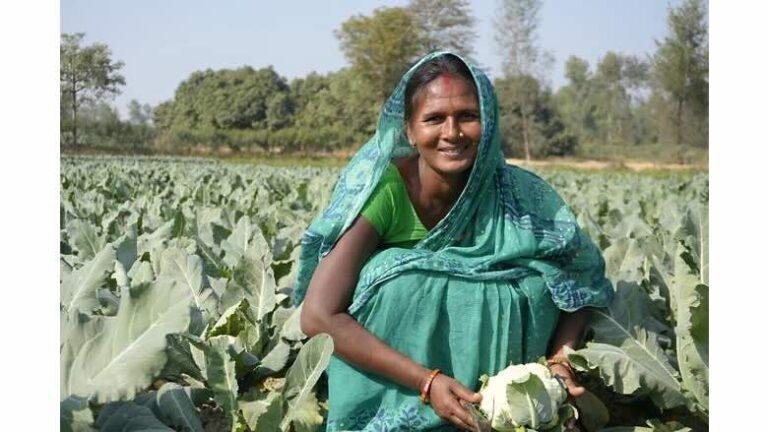
    In the terraced fields of Nepal’s Madhesh Province, Anjali Devi Yadav once scraped by on subsistence farming, burdened by debt after her husband migrated to the UAE for work. Today, she harvests confidence alongside cucumbers and chilies. A grant from the World Bank’s Rural Enterprise and Economic Development (REED) project equipped her with seeds, sprayers, and modern techniques, propelling her seasonal earnings from Rs 120,000 on 4 tons of vegetables to a record Rs 392,000 on 9.8 tons in 2024. “Now, I don’t just grow vegetables. I grow confidence, security, and a future for my children,” Yadav says.

    Her story, spotlighted in a World Bank feature earlier this year, exemplifies a broader transformation rippling through Nepal’s rural heartlands. Women, who comprise over half the country’s farmers yet own just 32 per cent of farmland, are leveraging cooperatives, market links, and grants to shift from survival to entrepreneurship. REED has mobilized $12.5 million, created 12,000 jobs, and benefited 8,700 farmers across six provinces, with 48 per cent women among recipients. In Rolpa, buffalo farmers like Anisha Pun now sell milk to dairies, easing household burdens. In Panchthar, indigenous women of the Ngingma group brand “Himalayan Herbal Honey” from modern beehives.

    These gains align with Nepal’s Agriculture Development Strategy but face mounting threats from climate change and systemic inequities. A Penn State University study, published August 13, 2025, in Population and Environment, reveals why many farmers cling to agriculture despite risks. Surveying 500 households in Chitwan Valley – where temperatures have risen twice the global average since 1970 – researchers found farmers perceiving greater climate perils in non-farm jobs, like heat stressing day laborers. “Even as crop yields declined, we saw retrenchment in established farming activities,” says lead author Nicolas Choquette-Levy, an assistant professor at Penn State. Low trust in government aid exacerbates this, pushing families deeper into farming amid floods and droughts.

    Disasters and Food Insecurity

    Nepal ranks among the world’s most disaster-prone nations, with agriculture employing 64 per cent of the workforce and contributing 21 per cent to GDP. Yet, projected 20-30 per cent yield drops by 2050 due to erratic monsoons could worsen food insecurity, already stunting 25 per cent of children’s growth. Smallholders like those in Chitwan double down on rice, maize, and wheat, fearing poverty more than harvest failures.

    A Youth-Led Food Revolution

    Enter Gen Z, whose 2025 protests – ignited by a social media crackdown but fuelled by corruption and rural exodus – demand a reimagined food system. In an opinion piece in The Himalayan Times, FAO Nepal value chain specialist Kiran Mainali argues for a national Agri-Food Systems Framework emphasizing transparency and youth inclusion. With 20 per cent Gen Z unemployment driving migration, protesters link governance failures to seed and fertilizer mismanagement. “Digital platforms to track subsidies, youth-led audits, and ag-tech incubators could retain talent and build resilience,” Mainali writes.

    Women-led successes under REED offer a blueprint. Shanti Khadayat in Sudurpashchim Province introduced high-yield Boer goats via matching grants, boosting meat prices and teaching peers husbandry. Urmila Ghale’s cooperative upgraded buffalo sheds, eyeing Indian markets for milk and compost. Over four years, REED fostered 300 partnerships, 108 women-led, and established 74 Municipal Agricultural Livestock Service Centers for diagnostics and training.

    Policy Solutions for a Changing Climate

    Experts urge bridging these efforts with climate adaptation. Choquette-Levy advocates subsidized insurance, migration aid, and diversified income to counter retrenchment. “Farmers have no choice but to adapt,” he notes, drawing parallels to Pennsylvania’s family farms. Gen Z envisions agroecological practices, localized supply chains with solar drying, and land reforms to raise women’s ownership to 50 per cent by 2035.

    In Rana Samaj, Santoshi and her group doubled investments in commercial vegetables, earning Rs 30,000 per cabbage season. “We’re financially independent… no longer relying on husbands for school supplies,” says member Kalpana. Buyers benefit too: reliable supplies cut costs and losses.

    As REED nears its fifth year, Nepal stands at a crossroads. Integrating World Bank market tools, Penn State risk insights, and Gen Z’s call for equitable governance could forge a resilient agri-future. “When you bring the market into it, that brings success,” says REED leader Maha Ahmed. For Yadav, whose husband returned from Dubai to farm profitably, the path is clear – and thriving.

    NCDC Disburses ₹49,799 Crore by October 2025 to Boost India’s Cooperative Sector

    The government has framed the National Cooperation Policy 2025 to revitalise cooperatives by making them technology-driven, professionally managed and globally competitive. This is in the backdrop of today’s cooperative sector forming a vital pillar of India’s rural economic fabric.

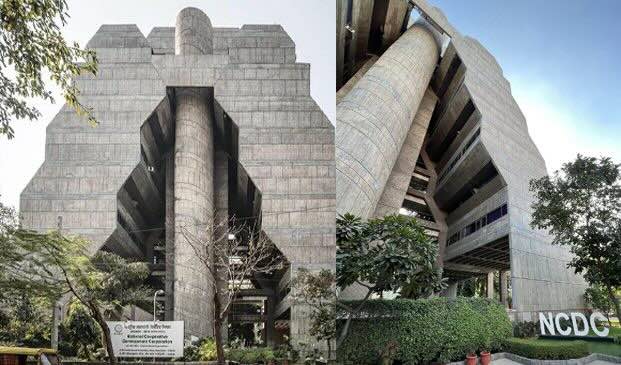
    The National Cooperative Development Corporation (NCDC) has disbursed ₹49,799.06 crore (₹49.799 thousand crore) in the current financial year (2025-26) up to October, according to a press release by the Press Information Bureau on Wednesday. This marks a strong mid-year achievement and underlines the government’s push to strengthen the cooperative ecosphere across agriculture, allied and non-farm sectors.

    In the previous financial year (2024-25), NCDC disbursed ₹95,182.88 crore, showing a steep rise from ₹5,735.51 crore in 2014-15. With nearly half of the previous year’s total already disbursed by October, it signals sustained acceleration in credit flows to cooperatives.

    An official said that the upward trend reflects both increased demand from cooperative societies for financing and an enhanced institutional capacity of NCDC to deliver timely assistance. The corporation’s remit includes financing farmer cooperatives for production, processing, storage, marketing and allied inputs; and expanding to non-farm segments such as dairy, fisheries, handloom, sericulture and weaker-section cooperatives.

    Thrust on Inclusion

    NCDC’s disbursement strategy is not only about volume but also inclusivity. Over FY2021-22 to FY2024-25, the corporation extended ₹57.78 crore in loans to SC/ST-cooperatives. Moreover, between FY2021-22 and FY2024-25, women-led cooperatives received ₹4,823.68 crore, while infrastructure support to women cooperatives during 2022-25 amounted to ₹2.37 crore.

    In the sugar sector, as of March 2025, NCDC has provided cumulative financial assistance of ₹33,311.79 crore to cooperative sugar mills across India.

    These targeted interventions reflect a broader policy emphasis on empowerment of socially disadvantaged groups and sector-specific value chains.

    Strategic Schemes Powering Cooperatives

    NCDC is deploying several specialised schemes to support innovation, digitalisation and sectoral upgrading in the cooperative ecosystem:

    • Yuva Sahakar-Cooperative Enterprise Support & Innovation Scheme (launched FY2019-20) supports newly-formed cooperative societies, especially in North-Eastern regions, aspirational districts, or with women/SC/ST/PwD membership.
    • Ayushman Sahakar (started FY2020-21) enables cooperative societies to set up or expand AYUSH/health/education services.
    • Dairy Sahakar (from FY2021-22) supports end-to-end dairy value chains — procurement, processing, packaging, branding, export readiness.
    • Digital Sahakar (operational since FY2021-22) aims at digitally empowering cooperatives, including FPOs and SHG federations.
    • Deerghavadhi Krishak Punji Sahakar Yojana (launched 2022-23) provides long-term finance to agricultural credit cooperatives such as PACS, DCCBs, StCBs.

    The official explained that these schemes demonstrate NCDC’s shift from traditional credit delivery to value-chain enhancement, digital adaptation and inclusivity.

    Policy Context and Future Pipeline

    The government has framed the National Cooperation Policy 2025 to revitalise cooperatives by making them technology-driven, professionally managed and globally competitive. This is in the backdrop of today’s cooperative sector forming a vital pillar of India’s rural economic fabric. With over 8.44 lakh cooperative societies and a membership exceeding 30 crore, nearly 94 per cent of farmers are linked with cooperatives in some capacity.

    Cabinet approval has been given for a Central Sector “Grant-in-Aid to NCDC” scheme with outlay of ₹2,000 crore for 2025-26 to 2028-29 (₹500 crore annually) to enable mobilising about ₹20,000 crore from open markets over four years.

    For the current year, the nearly ₹50,000 crore disbursement till October positions NCDC to meet and possibly exceed last year’s pace – provided demand sustains, structural bottlenecks are addressed and timely project execution continues.

    Yet, while the numbers point to robust growth, key challenges remain. Ensuring that credit translates into efficient project implementation by cooperatives is critical Many cooperatives which face governance, technical and market-linkage constraints. Additionally, expansion beyond volume into equitable geographic spread, value-chain deepening and exit readiness for cooperatives will determine long-term impact.

    Officials say that as the NCDC advances into the remainder of 2025-26, the focus needs to be on converting quantum of disbursements into measurable outcomes: enhanced productivity, value-addition, employment generation and stronger livelihoods for rural communities.

    Will Bangladesh Cancel Hasina-Era Adani Power Deal?

    The independent National Review Committee, headed by retired judge Moinul Islam Chowdhury, recently submitted an interim assessment pointing to what it described as “massive governance failure” and possible corruption in the broader power sector.

    The future of Adani Power’s ambitious cross-border electricity supply deal with Bangladesh has come under renewed uncertainty, as Dhaka’s interim administration signalled it could terminate the agreement if an ongoing government review finds evidence of corruption or irregularities.

    Simultaneously, Adani Power has indicated it intends to seek international arbitration, citing payment delays and disputes over tariff components, setting the stage for a contentious standoff between the Indian corporate conglomerate and a key South Asian neighbour.

    The controversy centres on the 2017 power purchase agreement under which Adani Power’s 1,600-megawatt coal-fired plant in Godda, Jharkhand, agreed to supply electricity to Bangladesh for 25 years. The project became commercially operational in April 2023 and was hailed at the time as a milestone for bilateral energy cooperation, with Indian coal generating power exclusively for the Bangladeshi grid. But what once symbolised regional energy integration is now increasingly mired in political scrutiny, legal ambiguity and public debate over transparency, costs and national interest.

    Bangladesh’s interim government, which assumed responsibility after the departure of Sheikh Hasina, has launched a sweeping review of major infrastructure and energy contracts signed during the previous administration. The review follows allegations of mismanagement and excesses in power-sector deals, particularly in relation to quick-rental plants and imported-fuel-linked agreements that analysts say contributed to fiscal strain in recent years. With foreign exchange pressure and rising public concern over electricity tariffs, Bangladesh’s new leadership has positioned itself as committed to examining the financial and governance footprints of large-scale projects.

    “Massive Governance Failure”

    Energy affairs adviser Muhammad Fouzul Kabir Khan stated that no contract, including Adani’s, would be spared scrutiny if evidence of wrongdoing emerged. “The contracts generally state that no corruption has occurred, but if proven otherwise, cancellation is possible,” he said in comments to the media. His remarks reflect the firm tone adopted by the interim administration, signalling that politically sensitive deals from the past government are not immune to review.

    The independent National Review Committee, headed by retired judge Moinul Islam Chowdhury, recently submitted an interim assessment pointing to what it described as “massive governance failure” and possible corruption in the broader power sector. The report has a specific chapter on the Adani deal. Officials familiar with the review process have cautioned that terminating long-term international contracts could carry substantial legal risks and financial consequences. Some analysts estimate that unilateral cancellation of foreign-funded power agreements could expose Dhaka to claims worth billions of dollars, potentially complicating the country’s fiscal recovery efforts.

    Against this backdrop, Adani Power has disclosed that it plans to initiate international arbitration after raising concerns over delayed payments and disagreements involving cost calculations under the power-purchase agreement. Adani Power has pointed to a reduction in outstanding receivables from Bangladesh, noting payment settlements that lowered the backlog to roughly the equivalent of 15 days of tariff obligations. Earlier in the year, the receivables had approached nearly US $2 billion before subsequent payments reduced the pending amount significantly, according to company disclosures reported by Indian financial media.

    Pricing Structure

    At the heart of the payment dispute is the pricing structure. Reports suggest Bangladesh paid a rate of 14.87 taka per unit for power generated from Adani’s Godda plant in the fiscal year ending June 2024 – significantly higher than what the country paid on average for other imported power from India. Opposition figures and civil society critics in Bangladesh have long argued that the pricing terms were disproportionately favourable to the Indian supplier. Adani Power maintains that its tariff reflects contractual provisions, fuel-supply arrangements and infrastructure investments, including the dedicated transmission line built to transport electricity across the border.

    The supply agreement is structured so that nearly all the electricity produced at the Godda plant flows into Bangladesh, ensuring consistent off-take, while India benefits from export-linked energy trade and strategic economic ties. However, the model has drawn attention as Bangladesh grapples with energy-sector deficits, foreign-exchange pressures due to fuel imports, and rising public scrutiny over long-term power purchase obligations. The political transition in Dhaka has heightened this scrutiny, as the interim government seeks to reassure both citizens and international partners that it is committed to transparency and fiscal prudence.

    While the review process remains under way, both sides face significant stakes. For Bangladesh, renegotiating or cancelling the contract could demonstrate resolve against corruption but also risks legal exposure, investor concerns and power-supply complications. The Godda plant supplies a notable portion of Bangladesh’s imported electricity, and any disruption could affect energy planning unless alternative sources are secured in time. Conversely, maintaining the deal without addressing public concerns could invite criticism at home and undermine the government’s credibility.

    Lasting Financial and Political Implications

    Adani Power, already accustomed to intense scrutiny given its scale and global presence, now finds itself navigating a complex geopolitical and commercial challenge. International arbitration could protect its financial interests but may also prolong uncertainties and potentially strain India-Bangladesh diplomatic ties if not handled carefully.

    Both governments have emphasised that bilateral cooperation remains important, but the dispute adds a new layer to the energy partnership. India views cross-border electricity exports as a building block of regional economic integration, particularly under initiatives promoting connectivity with South Asian neighbours. Bangladesh, historically reliant on imports and eager to maintain growth while stabilising its economy, is working to balance commercial obligations with public expectations for transparency and accountability.

    The final report of the Bangladesh review panel is expected in early 2026, and its recommendations will likely determine whether the contract is upheld, renegotiated or terminated. Until then, talks between Dhaka and Adani Power are expected to continue, even as legal teams on both sides prepare for arbitration as a potential outcome. Analysts say that the case could shape future cross-border power agreements in South Asia, influencing contract design, risk-allocation standards and governance benchmarks.

    For now, what began as a flagship example of regional electricity trade has evolved into a high-profile test of corporate resilience, governmental reform and diplomatic balance-keeping. The Godda-Bangladesh agreement has become a symbol of accountability and renegotiation, with lasting financial and political implications.

    Telangana’s MGNREGA Workdays Plunge Nearly Half

    Mandatory Aadhaar-eKYC for wages excludes over half of 53 lakh job-card holders in the state; only 48.5 per cent completed it by October 2025 due to poor connectivity, device issues, and migrant challenges.

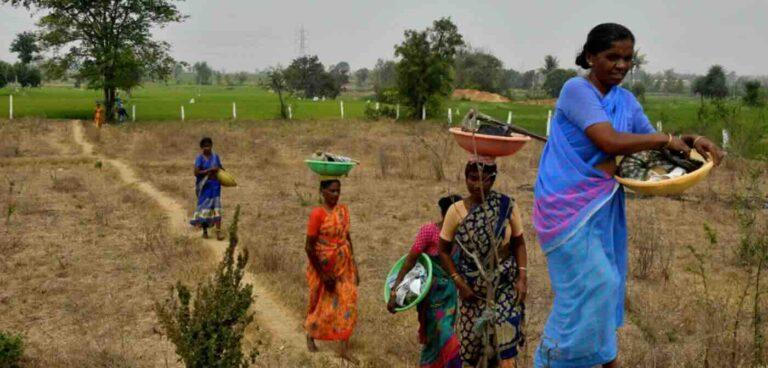
    The rural employment emergency safety net in Mahatma Gandhi National Rural Employment Guarantee Act (MGNREGA) is showing alarming signs of strain in Telangana. According to a fresh analysis by LibTech India covering April to September 2025, the number of work-days generated under MGNREGA in the state fell by 47.6 per cent compared to the same half-year period in 2024, far outpacing the national decline of 10.4 per cent.

    This fall does not reflect just a small hiccup – what the report calls a sharp “systemic contraction” in the guarantee of employment for rural households in Telangana.

    Steep Decline in People and Work-days

    The LibTech India briefing shows that in April–September 2024, roughly 25.33 lakh unique households in Telangana participated under MGNREGA. But in the same period in 2025, that number dropped to 19.94 lakh – a decline of 21.3 per cent.

    Further, average person-days per household plunged from around 41 days to just 27 days.

    Although the daily wage rate under MGNREGA in Telangana was raised from ₹300 to ₹307 in 2025–26, this did nothing to offset the drastic drop in days of work. As a result, average household income from MGNREGA work in the state fell by about 19.4 per cent – from ₹8,690 in FY 2024–25 to ₹7,004 in FY 2025–26.

    In effect, households lost nearly ₹3,515 in potential income because fewer work-days were provided.

    Broad-based Across Districts and Communities

    The decline is not limited to a few pockets. Every one of the state’s 32 districts recorded a drop in person-days. The steepest were in Medchal (-92.8 per cent), Jogulamba Gadwal (-72.6 per cent), Kamareddy (-68.7 per cent) and Nizamabad (-67.1 per cent).

    From a social-category perspective, the work-day shortfall affected all groups: Scheduled Caste households (-48.3 per cent), Scheduled Tribe households (-41.7 per cent), and other households (-49.5 per cent).

    The report points to administrative bottlenecks and digital compliance triggers as key drivers of the drop. Notably, Telangana hasn’t carried out a large‐scale renewal of job-cards in recent years; during the earlier introduction of Aadhaar‐based payments in 2022-23 more than 5.1 lakh job-cards were deleted.

    In the most recent cycle, the introduction of mandatory Aadhaar-eKYC for wage disbursement is flagged as a barrier. Of approximately 53 lakh registered job-card holders in the state, only 48.5 per cent had completed e-KYC as of October 2025, meaning over half remain unverified and risk exclusion from work and payments. Field notes in the report mention problems such as weak connectivity, device compatibility, and migrant workers being unable to complete verification from remote locations.

    Why This Matters

    For Telangana’s rural households, particularly those reliant on MGNREGA as a buffer during lean agricultural and non-farm seasons, the sharp drop in available workdays signals a deepening of livelihood vulnerability. The decline emerges at precisely the time when jobs are most needed (April and May) and the data show there was no recovery through June to September.

    Lower household incomes, reduced access to work and increased risk of exclusion due to digital barriers may push marginalised families into distress migration or deeper debt, the report suggests.

    LibTech India urges both the Central and State governments to act swiftly. Key recommendations include:

    • Initiate a dedicated programme to restore deleted or inactive job-cards and ensure registration of eligible households.
    • Link work allocation across districts to actual demand and local economic conditions rather than arbitrary ceilings.
    • Temporarily remove or relax the mandatory e-KYC requirement for wage access until the verification machinery is strengthened, especially given the high risk of exclusion.
    • Focus targeted intervention in districts showing the steepest falls and lowest digital verification (e.g., Medchal, Jogulamba Gadwal, Kamareddy, Nizamabad).

    Government Response

    As of this reporting, the Telangana state government has not publicly responded in full to the LibTech India briefing. Officials in the rural development department acknowledge the drop in workdays is a concern, but attribute part of it to reduced demand from households that secured alternative employment or migration. Analysts caution however that these explanations may obscure structural issues in the scheme’s implementation and eligibility management.

    The 100-day guarantee offered by MGNREGA has long been positioned as a stabiliser during non-farm and lean periods. But if Telangana continues with such large drops in workdays, the guarantee becomes hollow for many of its intended beneficiaries.

    As the next phase of the programme launches into the lean season, monitoring of whether workdays rebound and whether e-KYC-induced exclusions escalate will be essential. Civil-society groups in Telangana are mobilising to survey affected households and flag grievances, but unless state and central authorities respond with decisive corrective action, thousands of rural families may find themselves locked out of the very safety net designed for them.

    NITI Aayog Unveils Tech-Driven Roadmap to Revolutionise Indian Agriculture

    NITI Aayog unveiled a frontier tech roadmap in Gandhinagar to transform India’s agriculture, tackling climate, resources, and farmer incomes for resilient, competitive growth by 2047.

    NITI Aayog has launched a sweeping new strategy aimed at driving a frontier technology-led transformation of the India’s agriculture sector. A report titled “Reimagining Agriculture: A Roadmap for Frontier Technology Led Transformation” was formally unveiled in Gandhinagar by chief minister Bhupendrabhai Patel of Gujarat and NITI Aayog CEO B V R Subrahmanyam.

    The roadmap underscores how agriculture must evolve beyond incremental improvements to meet challenges including climate volatility, resource depletion and the imperative of significantly boosting farmer incomes. It lays out a vision in which technology is not merely deployed but integrated, positioning India’s agriculture system for greater resilience and global competitiveness by 2047.

    Tailored Solutions for Different Farmer Archetypes

    Recognising that one size does not fit all in Indian agriculture, the roadmap segments farmers into three archetypes – Aspiring, Transitioning and Advanced – and provides differentiated technology-led pathways for each.

    For the majority of small and marginal farmers (Aspiring), the focus is on boosting access, building trust and lowering barriers to adoption. The ‘Transitioning’ group consists of irrigated small and medium farmers ready to scale up, while the ‘Advanced’ segment covers large commercial cultivators ready to deploy high-end innovations.

    The strategic framework is guided by three pillars: Enhance foundational systems (such as a 360-degree data ecosystem), Reimagine innovation and talent systems, and Converge public-private efforts.

    Frontier Technologies at the Heart

    Key to the roadmap’s ambition is harnessing “frontier technologies” including climate-resilient seeds, digital twins of farms, precision agriculture, agentic artificial intelligence (AI) and advanced mechanisation.

    At the launch event, chief minister Patel highlighted Gujarat’s own digital agriculture initiatives – such as the digital crop survey, digital agri farm registry and the i-Khedut portal – as building blocks that set the stage for this transformation. “Every acre becomes more productive, every drop of water more valuable and every farmer more prosperous,” he declared.

    Subrahmanyam emphasised that technology must reflect the diversity of Indian farms: “No two farmers in India are the same, and technology must reflect that diversity.”

    Pilot Projects to Systemic Change

    While India has made steady progress via schemes like the digital agriculture mission 1.0 and the national mission on agriculture technology, the roadmap positions the next phase as one of scale, depth and system-level change.

    It identifies six systemic roadblocks that must be addressed: data availability and quality, trust in technology, the ‘phygital’ divide (physical and digital infrastructure), talent, fragmentation and capital constraints.

    To tackle these, the document proposes actions such as establishing apex inter-ministerial committees to govern data systems, deploying AI-enabled extension agents and kiosks for last-mile support, creating AgriTech startup accelerators and building centres of excellence that link research, industry and field deployment.

    Policy and Ecosystem Enablers

    The roadmap stresses the importance of a stable and future-ready policy environment to support the uptake and scaling of frontier technologies in agriculture.

    It calls on state governments, research institutions, private enterprises, startups and the hundreds of millions of farmers themselves to become co-creators of the transformation. “If we design with empathy and deploy with precision, technology can transform livelihoods,” the CEO said.

    Gujarat’s launch of the roadmap in its state capital emphasises how states will act as early movers and innovation labs for the national agenda, officials from the chief minister’s office said. The event underscored Gujarat’s ambition to lead the country’s digital agriculture push, they said.

    Challenges and Implications for the Future

    NITI Aayog recognises that despite the bold vision, translating it into ground-level impact will require addressing longstanding structural issues in Indian agriculture: fragmented landholdings, under-mechanisation, weak market linkages and climate vulnerabilities. The roadmap acknowledges such gaps and sets mid-term targets for 2035 and long-term goals for 2047.

    Implementation will also depend on how effectively technologies can reach the tens of millions of smallholder farmers, often operating in remote geographies, with limited capital, low digital literacy and high risk exposure. The real test lies in scaling customised solutions at affordable cost and ensuring supportive infrastructure.

    Moreover, linking productivity gains with improved income outcomes, post-harvest management, value-chain integration and market access remains a complex task. The roadmap’s emphasis on converging innovation, policy and last-mile delivery reflects this multifaceted challenge.

    The “Reimagining Agriculture” roadmap is more than another policy document – it signals a paradigm shift from yield-centric, mechanisation-based farming to intelligence-driven, inclusive, climate-resilient agriculture. By integrating data, connectivity and intelligence across the farm-to-market chain, NITI Aayog aims to reposition India’s agriculture sector for the next half century.

    The vision of a “Viksit Bharat 2047” enshrined in the roadmap hinges on agriculture becoming not only productive but future-ready, resilient and equitable. As NITI Aayog CEO Subrahmanyam put it: “We must make every farmer not just a user of technology, but a co-creator of the future of food.”

    “The journey ahead will be demanding, requiring commitment across policy, innovation, infrastructure and delivery mechanisms,” an official of the NITI Aayog said. “But the seeds of transformation have now been sown – if the strategies are executed with speed and scale, Indian agriculture could chart a new trajectory of prosperity, sustainability and global competitiveness.”

    6.3-Magnitude Quake Rocks Northern Afghanistan, Triggering Widespread Disruption

    Women displaced from damaged homes may now face obstacles accessing aid shelters, female-staffed clinics and safe living spaces. Local humanitarian networks stress the need for immediate deployment of female-led teams to ensure vulnerable groups are reached.

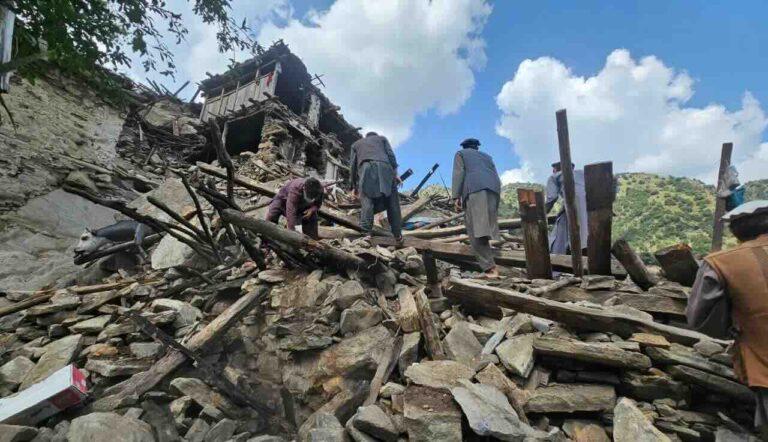
    A powerful earthquake measuring magnitude 6.3 struck Northern Afghanistan in the early hours of Monday, leaving shockwaves of damage and disruption across the region. According to the U.S. Geological Survey (USGS), the tremor occurred at a depth of 28 km, about 22 km west-south-west of the town of Khulm in Balkh Province.

    In the city of Mazar‑e Sharif, the region’s major urban centre, residential buildings trembled, walls cracked and the famed Blue Mosque – a 15th-century shrine of enormous cultural significance – suffered partial damage to its masonry and tile façade. Officials say hospitals were placed on alert and emergency teams deployed from capital Kabul in the early hours.

    Rescue operations have now expanded into more remote districts of Balkh and neighbouring Samangan Province, where collapsing slopes and landslides were reported. According to a provincial spokesman, at least four fatalities were confirmed in the Khulm district, with additional casualties in villages cut off by rockfalls.

    Humanitarian and Gender Concerns

    Beyond the immediate structural collapse and trauma, aid agencies are raising alarm over how the disaster will disproportionately affect women and girls. In a recent earthquake in eastern Afghanistan, observers noted that restrictions under the Taliban regime – such as bans on women being treated by male doctors and limitations on female humanitarian workers – left female survivors without timely access to care.

    Activists say that in the current event, the same constraints risk compounding the trauma. Women displaced from damaged homes may now face obstacles accessing aid shelters, female-staffed clinics and safe living spaces. Local humanitarian networks stress the need for immediate deployment of female-led teams to ensure vulnerable groups are reached.

    Why the Region Shakes So Frequently

    Afghanistan lies at the heart of one of Asia’s most seismically active zones. The northward movement of the Indian tectonic plate against the Eurasian plate, combined with the influence of the Arabian plate, drives frequent strong earthquakes in the country. Since 1990, more than 355 earthquakes of magnitude 5.0 or greater have been recorded in Afghanistan alone.

    Much of the population lives in mountainous terrain and many buildings are constructed from mud-brick or non-engineered masonry, making them highly vulnerable to even moderate shaking. Experts say that shallow-depth quakes of magnitude 6 and above are especially likely to cause major damage in such contexts.

    Response and Road Ahead

    The national disaster-management body has called for international assistance, particularly air-lift capacity and heavy equipment to reach isolated villages. The UN mission in Afghanistan is coordinating with local relief agencies to deploy emergency shelters, medical aid and water-sanitation kits.

    Authorities emphasise that aftershocks remain a threat and residents are being urged to evacuate damaged buildings. In districts where roads are blocked by landslides, relief access remains a major challenge. Meanwhile, community volunteers in urban areas like Mazar-e Sharif are organising search teams, clearing rubble and setting up temporary shelters.

    As the early-morning light reveals the full scope of damage, the focus is on ensuring that the most vulnerable – women, girls, and remote hillside communities – are not left behind during the critical first days of the response. In a country long battered by conflict and natural disasters, this quake serves as yet another reminder of the urgent need to build stronger, more resilient infrastructure and to prioritise inclusive humanitarian access.

    Image: ICRC