More

    Pollution, Melting Microbes, Undamming Rivers, Risks for Elders: Four Key Climate Issues

    The Frontiers Report 2025,  released by the UN Environment Programme, highlights four critical areas where environmental degradation intersects with human vulnerability: legacy pollution, melting glacier microbes, undamming rivers and climate risks for an ageing population that is growing.

    By Eileen Travers

    In a world increasingly shaped by climate extremes, environmental experts are delivering a blunt warning: four rapidly emerging threats could reshape life for millions unless urgent action is taken.

    From ancient microbes awakening in melting glaciers to toxic pollutants unleashed by floods, the dangers are no longer distant or theoretical. They are here, and they are growing.

    The Frontiers Report 2025, released by the UN Environment Programme (UNEP) on Saturday, highlights four critical areas where environmental degradation intersects with human vulnerability: legacy pollution, melting glacier microbes, undamming rivers and climate risks for an ageing population that is growing.

    The report paints a vivid picture of how climate change is not only altering ecosystems but also exposing communities – especially the most vulnerable – to new and intensifying dangers. Some issues may be local or relatively small-scale issues today, but have the potential to become issues of regional or global concern if not addressed early, the report warned.

    UNEP Executive Director Inger Andersen said action must be taken “to protect people, nature and economies from threats that will only grow with each passing year”.

    Here’s what’s at stake and why it matters to all of us:

    Melting glacier microbes

    Climate scientists are saying many glaciers will not survive this century unless action is taking to slow the melting rate caused by climate change. That means those living downstream will face a tide of floods alongside threats posed by reactivated microbes in a warming cryosphere or frozen parts of the Earth.

    Frozen in ice sheets, glaciers and permafrost are bacteria, fungi and viruses. While most are dead, some are dormant and some are active. As global temperatures hit record highs, these microorganisms will become more active in many ecosystems. Even if the melting can be slowed down by mitigating greenhouse gas emissions, efforts must assess and prepare for possible threats from potential pathogens.

    Also crucial is documenting and preserving cryospheric microorganisms, which can shed light on the history of climate and evolution, help in finding therapies for diseases and develop innovative biotechnologies.

    For millennia, diverse microorganisms have remained dormant in the cryosphere – regions where water is frozen solid, the report says. “Climate warming could reactivate and remobilize them into new environments, potentially altering microbial communities, introducing pathogens, or causing biodiversity loss as some might fail to survive thawing.”

    Dismantling dams

    In the Colombian Amazon, river water levels have dropped by up to 80 per cent, restricting access to drinking water and food supplies, leading to shuttering 130 schools, increasing children’s risk of recruitment, use and exploitation by non-State armed groups and resulting in increased respiratory infections, diarrhoeal diseases, malaria and acute malnutrition among youngsters under age five.

    Part of what is making the problem worse in Colombia and other hot spots around the world are the plethora of dams operating at a time when climate change is triggering droughts around the world. Drought is keeping more than 420,000 children out of school in Brazil, Colombia and Peru alone, according to a report by the UN Children’s Fund (UNICEF).

    As such, there is a growing need to remove dams and other barriers to rehabilitate river ecosystems, a process increasingly initiated by local communities, Indigenous Peoples, women and youth. Rivers and streams can recover remarkably once barriers are gone, but other stressors, from pollution to climate change, need to be addressed in parallel. Understanding the restoration outcomes of barrier removal is necessary not only to guide future removals, but also to inform decisions about existing and future barriers.

    The report says, “While dams have provided significant benefits, they have also disrupted indigenous and fishing communities while damaging river ecosystems. Removing dams and barriers is an increasingly accepted strategy to restore river health, and has gained momentum, particularly in Europe and North America, where large, older dams that have become unsafe, obsolete, or economically unviable are being removed.”

    Climate risks for the elderly

    Older people face increased risks during extreme weather and suffer more from ongoing environmental degradation. As the World Meteorological Organization (WMO) predicts ever more hot weather, the elderly are suffering disproportionately, as seen in rising numbers of deaths and illnesses amid recent heat waves around the world.

    At the same time, the world’s ageing population is growing: the global share of people over 65 years old will rise from 10 per cent in 2024 to 16 per cent by 2050. Most of them will live in cities, where they will be exposed to extreme heat and air pollution and experience more frequent disasters.

    Older people are already more at risk, so effective adaptation strategies will need to evolve to protect these older populations.

    The world is undergoing significant demographic and environmental shifts, with the global population aged 65 and older projected to increase from 10 per cent in 2024 to 16 per cent by 2050 – primarily in low- and middle-income countries, the report says. “Concurrently, climate change is exacerbating environmental risks such as heatwaves, air pollution, and floods, which disproportionately threaten older adults,” it says, adding that since environmental conditions critically influence health in later life, proactive urban planning must prioritize age-friendly, resilient cities with reduced pollution, improved accessibility, and expanded green spaces to safeguard this vulnerable population.

    Legacy pollutants

    Flooding has crippled communities in all regions of the world as the number of extreme weather events climb. Among the hidden dangers are legacy pollutants that have been secreted into the ground over time and released as extreme rainfall and floods wash away sediments and debris.

    The Pakistan floods of 2010, flooding in the Niger Delta in 2012 and Hurricane Harvey off the coast of Texas in 2017 are all examples when floodwaters stirred up sediments, releasing heavy metals and persistent organic pollutants.

    Evaluating sediments to understand hazards, rethinking flood protection to lean on nature-based solutions and investments in natural remediation of contaminated sediments are all options to deal with this problem.

    The report says that many regions have faced an increase in the frequency and magnitude of severe storm events with extreme rainfalls and floods. While the direct effects of these floods on life and infrastructure are widely recognized, indirect outcomes are often overlooked. An underestimated issue is the remobilization and redistribution of chemical contaminants in river sediments by frequent and severe flooding, posing environmental challenges and socioeconomic repercussions.

    This piece has been sourced from UN News.
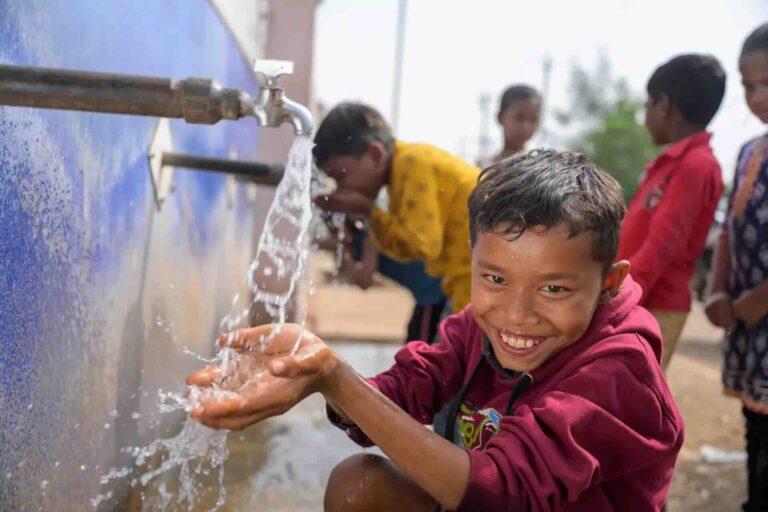
    In Rajya Sabha: Fluoride-Affected Rural Habitations Drop Sharply from 7,996 to 248, Thanks to Jal Jeevan Mission

    Launched with the vision of providing functional household tap connection to every rural household by 2024, the Jal Jeevan Mission has placed a strong emphasis on water quality, particularly in habitations affected by chemical contaminants such as fluoride and arsenic.

    In a significant stride toward ensuring safe drinking water in rural India, the number of fluoride-affected rural habitations has dropped from a staggering 7,996 in April 2019 to just 248 as of July 2025. This transformative change has been attributed to the ongoing efforts under the Jal Jeevan Mission (JJM) – Har Ghar Jal, launched in August 2019. The information was shared today by the Minister of State for Jal Shakti, V. Somanna, in a written reply to a question in the Rajya Sabha on Monday.

    Launched with the vision of providing Functional Household Tap Connection (FHTC) to every rural household by 2024, the Jal Jeevan Mission has placed a strong emphasis on water quality, particularly in habitations affected by chemical contaminants such as fluoride and arsenic. The Bureau of Indian Standards’ (BIS) benchmark standard IS 10500 has been adopted under the Mission to ensure the quality of water supplied through piped networks.

    Drastic Decline in Fluoride-Affected Areas

    As per data available on the JJM-IMIS (Integrated Management Information System), the year-wise progress in reducing fluoride-affected habitations is as follows:

    • April 2019: 7,996
    • April 2020: 5,796
    • April 2021: 1,021
    • April 2022: 638
    • April 2023: 393
    • April 2024: 348
    • April 2025: 250
    • July 23, 2025: 248

    The minister emphasized that while 248 fluoride-affected habitations still await the commissioning of fully compliant piped water supply schemes, safe drinking water is being supplied through Community Water Purification Plants (CWPPs) and Individual Household Purifiers (IHPs). Each person in these habitations is being provided with 8–10 liters of potable water per day for drinking and cooking needs.

    Priority to Quality-Affected Habitations

    Under the Jal Jeevan Mission, States and Union Territories have been directed to prioritize villages affected by water quality issues when planning new piped water supply schemes. These plans are to be based on alternative safe water sources, especially in areas with high fluoride or arsenic content in groundwater.

    Though drinking water is a state subject, the Government of India provides technical and financial assistance to states and union territores for implementing JJM projects. Funding is not allocated specifically for fluoride-affected areas but is provided for the overall provision of safe tap water, the minister said.

    Health Measures Against Fluorosis

    Beyond the infrastructure push, the Government is also addressing the health implications of fluoride contamination. The National Programme for Prevention and Control of Fluorosis (NPPCF) is being implemented by the Ministry of Health and Family Welfare in 163 districts across 19 States/UTs as of June 2025. The program includes:

    • Deployment of dedicated health personnel in endemic districts.
    • Procurement of laboratory equipment such as Ion meters for water and urinary fluoride analysis.
    • Training of medical and paramedical staff.
    • Health education and awareness campaigns.
    • Nutritional supplementation and rehabilitative medical care, including reconstructive surgeries.

    These health initiatives work in tandem with the water supply interventions to comprehensively address the root causes and consequences of fluorosis, a chronic condition caused by long-term ingestion of fluoride-contaminated water or food.

    Jal Jeevan Mission Extended to 2028

    With significant achievements already recorded—15.67 crore rural households now having access to tap water, up from just 3.23 crore in 2019—the Government has decided to extend the Jal Jeevan Mission until 2028. This extension, announced in the Union Budget 2025-26, will enable a continued focus on infrastructure quality, sustainability, and effective operation and maintenance (O&M) of rural water supply schemes.

    Out of a total of 19.36 crore rural households, about 80.95% now have piped water supply at home, as per the latest reports from States and UTs. The proposal for the extended mission includes enhanced financial outlays and revised guidelines to sustain momentum and fill the remaining gaps.

    A Landmark in Rural Water Supply

    The reduction of fluoride-affected rural habitations from nearly 8,000 to under 250 in just six years reflects a significant public health and infrastructure achievement. Through a combination of community-driven implementation, inter-ministerial coordination, and robust monitoring mechanisms, the Jal Jeevan Mission is rapidly transforming rural water access and quality in India.

    The Ministry of Jal Shakti’s assurance that even the remaining fluoride-affected habitations are receiving safe water through temporary purification systems underscores the mission’s citizen-centric approach. The continued focus on quality and equity in water access suggests that India is well on its way to achieving universal and sustainable access to safe drinking water in the near future.

    This information was provided in a press release by the Press Information Bureau (PIB) that reported a written reply by the Minister of State for Jal Shakti, V. Somanna, in Rajya Sabha on Monday.

    Suman Bery Presents India’s Third Voluntary National Review (VNR) at HLPF 2025

    India’s voluntary national review highlights the country’s whole-of-government and whole-of-society approach to achieving the SDGs. Berry said that UNDP has been very supportive in establishing SDG coordination and acceleration centres in the states for deepening SDG localisation.

    Suman K Bery, vice chairman of the NITI Aayog, last week, presented India’s third voluntary national review (VNR) report on the sustainable development goals (SDGs) at the ministerial segment of the high-level political forum (HLPF) on SDGs convened by the Economic and Social Council (ECOSOC) of the United Nations.

    According to a PIB release on Monday, Bery observed that it was an important opportunity to share with the world the combination of economic growth, investment in infrastructure, efficient delivery of targeted schemes, and local commitment that had transformed the sustainable development goals into a national movement in less than a decade.

    This VNR marks India’s third submission to the HLPF, reaffirming the country’s sustained commitment to the UN 2030 Agenda for SDGs.

    Anchored in a whole-of-government and whole-of-society approach, the preparation of India’s VNR 2025 was steered by NITI Aayog through a structured and consultative process that drew on the participation of states, union territories, civil society, and development partners and private sector. Building on the approach adopted in previous VNRs, a clear national roadmap guided the process, ensuring broad-based engagement while remaining anchored in data and evidence. UNDP has been very supportive in establishing SDG coordination and acceleration centres in the states and union territories for deepening SDG localisation.

    Decade of Decisive Policy Action

    India’s VNR 2025 captures a decade of decisive policy action and transformative results across multiple dimensions of sustainable development:

    Poverty Alleviation: Around 248 million individuals estimated to have escaped multidimensional poverty (MPI).

    Food Security: The PM garib kalyan anna yojana has ensured nutritional support for millions.

    Health and Nutrition: POSHAN Abhiyaan and Ayushman Bharat have expanded access to quality nutrition and healthcare.

    Clean Energy: Programmes like the National Green Hydrogen Mission, PM-KUSUM, and PM Surya Ghar Muft Bijli Yojana are strengthening India’s transition to clean energy.

    Innovation and Growth: India is now the third-largest start-up ecosystem in the world.

    Infrastructure and Industry: Schemes such as PM Gati Shakti, Make in India, and the National Industrial Corridor Development Programme are building next-generation infrastructure.

    The report highlights India’s leadership in building Digital Public Infrastructure (DPI) grounded in the Jan Dhan–Aadhaar–Mobile (JAM) trinity, which has become a global model for inclusive, transparent, and efficient service delivery.

    With tools such as the SDG India Index, North-Eastern Region District SDG Index, and the National Multi-dimensional Poverty Index, India continues to strengthen its data-driven governance and localise SDG implementation. Initiatives like the Aspirational Districts Programme (ADP) and Aspirational Blocks Programme (ABP) ensure last-mile saturation of government services.

    India’s VNR 2025 further highlights its growing contribution to South-South Cooperation, reflecting its role as a trusted development partner through capacity-building and institutional support to fellow developing countries.

    Agenda 2030 is aligned with India’s long-term vision of Viksit Bharat @2047 – a  developed India by its 100th year of independence – underscoring an integrated development strategy grounded in inclusion, innovation, and institutional strength.

    Faster Global Warming Linked to Chinese Aerosol Cuts

    Asia is warming twice as fast as the global average, says the World Meteorological Organisation. A study says that this acceleration is linked to Chinese air pollution cleanup. A global approach is crucial to fund climate-vulnerable countries. 

    By Ranjit Devraj

    Chinese air quality improvements are likely to have contributed to accelerated global surface temperature warming, according to a research paper, with the Asian landmass warming at twice the global average.

    The study, published this month in Nature Communications, Earth and Environment, says East Asian efforts to reduce atmospheric aerosols was likely to have accelerated global surface warming since around 2010.

    The researchers say policies to reduce air pollution implemented by East Asian countries, particularly China, have led to a 75 per cent decrease in sulfate aerosol emissions in that time.

    Bjørn H. Samset, lead author and senior researcher at CICERO Centre for International Climate Research, said this “has likely driven much of the recent global warming acceleration, and also warming trends in the Pacific”.

    Global surface warming has accelerated since 2010, compared to the preceding 50 years, according to the Nature study.

    Jayanarayanan Kuttippurath, associate professor at the Centre for Ocean, River, Atmosphere and Land Sciences, at the Indian Institute of Technology, Kharagpur, explains that efforts to reduce aerosol pollutants can facilitate more radiation at the Earth’s surface and this can result in warming.

    However, Kuttippurath, who was not involved in the study, also added that it was tricky to accurately forecast the effect of aerosol reductions on atmospheric processes.

    “Cloud-aerosol interaction is important but difficult to accurately simulate for study purposes,” he said.

    “At my centre, we are already working on finding out the impact of aerial pollution reduction in the Asia-Pacific.”

    The researchers behind the Nature study say the findings show that the acceleration of warming due to reductions in air pollution is likely to be short-lived.

    However, for many communities the impacts of climate change are happening now.

    Heatwaves and cyclones

    Roxy Mathew Koll, a scientist at the Indian Institute of Tropical Meteorology, Pune, tells SciDev.Net that until around 2000, warming over Asia — especially the Indian subcontinent — was relatively modest compared to other regions. But over the past two to three decades, temperatures have risen sharply.

    “This acceleration is already intensifying heatwaves, disrupting monsoons, fuelling cyclones, raising sea levels, and melting glaciers,” said Koll.

    “Asia’s cities, coastlines, and food systems are on the frontlines of this unfolding crisis.”

    It comes after the State of the Climate in Asia 2024 report, published in June by the World Meteorological Organization (WMO), said Asia is warming twice as fast as the global average, driving extreme weather events and putting lives at risk.

    The WMO report said Asia was warming more rapidly because of its large landmass, as temperatures over land increase more quickly than those over sea.

    “Variations in surface temperature have a large impact on natural systems and on human beings,” the report said.

    The oceans around Asia are also experiencing temperature increases with surface temperatures in the Indian and Pacific Oceans reaching record levels in 2024.

    Albert Salamanca, senior research fellow and head of secretariat at the Adaptation Research Alliance, the Stockholm Environment Institute, told SciDev.Net: “Climate change is no longer a distant threat but a tangible reality with profound impacts on people in Asia — and the rest of the global South.”

    Salamanca says the WMO report reinforces the need to step up emissions reductions to ensure that the internationally agreed thresholds of 1.5 degrees and 2 degrees Celsius above pre-industrial levels are not exceeded – and to support countries most impacted to adapt.

    “We need countries responsible for historical emissions and those driving current emissions to do far more to reduce global greenhouse gas levels,” he said.

    “Wealthy developed countries that have benefited from historical emissions must provide resources to support those who suffer the most but have contributed the least — not out of charity, but out of responsibility and solidarity.”

    US$800 Billion Shortfall

    According to an International Monetary Fund paper, emerging and developing Asia needs at least US$1.1 trillion annually for climate mitigation and adaptation — but investment falls short by US$800 billion.

    At the UN climate conference COP29, in Baku, Azerbaijan, in November, wealthy countries committed to help raise US$300 billion a year by 2035 for climate action in low- and middle-income countries – a pledge considered inadequate by many climate-vulnerable countries.

    The withdrawal of the US from the 2015 Paris Agreement and scrapping of the US International Climate Finance Plan adds to concerns over the progress of climate action.

    Analysis by UK-based Carbon Brief says that nearly a tenth of global climate finance could disappear as a result of the Trump administration’s cuts.

    In March, the US also announced withdrawal from the Just Energy Transition Partnerships, a financing mechanism to support coal-dependent countries transition to clean energy.

    The withdrawal impacts over US$3 billion of US commitments in Vietnam and Indonesia — both industrialising nations aiming for net-zero emissions by 2050.

    This piece was produced by SciDev.Net’s Asia Pacific desk.

    WHO, UNDOC Release Landmark Report on Contaminated Medicines

    WHO has issued seven Medical Product Alerts concerning multiple batches of contaminated liquid oral medicines, many of which were marketed for paediatric use. WHO also issued two alerts concerning falsified bulk chemicals masquerading as pharmaceutical quality excipients.

    The World Health Organization (WHO) and the United Nations Office on Drugs and Crime (UNODC) have jointly released a landmark report unveiling critical findings on the persistent and preventable threat of contaminated medicines which claimed the lives and compromised the health of countless patients, predominantly children, through the ingestion of medicines with dangerously high levels of toxic chemicals.

    Over the past 90 years, at least 25 documented incidents of excipient contamination have resulted in more than 1300 deaths worldwide, many of them children. These incidents occur often due to systemic vulnerabilities in the global supply chain of pharmaceutical excipients, and they have disproportionately affected people in low- and middle-income countries (LMICs), where regulatory oversight and access to quality-assured medicines may be limited.

    Titled “Contaminated medicines and integrity of the pharmaceutical excipients supply chain”, the report highlights a tragic and ongoing public health crisis: the contamination of medicines with industrial-grade toxic chemicals, notably diethylene glycol (DEG) and ethylene glycol (EG).

    These substances are used as industrial solvents and antifreeze agents but can cause severe health issues and be fatal if ingested, even in small amounts, especially for children. They are often illegally substituted for pharmaceutical-grade excipients such as propylene glycol, glycerine, and sorbitol – ingredients used in the formulation of medicines, including cough and paracetamol syrups.

    Since October 2022, WHO has issued seven Medical Product Alerts concerning multiple batches of contaminated liquid oral medicines, many of which were marketed for paediatric use and exported widely to LMIC. WHO also issued two alerts concerning falsified bulk chemicals masquerading as pharmaceutical quality excipients.

    Key Findings

    Following a particularly serious case in The Gambia, in which at least 66 children lost their lives, attention was once again focused on this issue. The case in The Gambia was quickly followed by similar incidents in Indonesia and Uzbekistan with a further 268 reported deaths and two further WHO Medical Product Alerts.

    Most of the recent cases involve inexpensive oral liquid medicines that can be bought without a prescription.  In most cases these medicines were marketed specifically for children and are registered medicines available in pharmacies, medicine stores or informal street markets.

    The report reveals how criminal networks exploit market volatility and regulatory gaps to introduce toxic substitutes into the supply chain. Key findings include:

    • The use of falsified labels and substitution of toxic chemicals for legitimate excipients such as propylene glycol.
    • The marketing of falsified excipients via online platforms, including e-commerce and social media.
    • A lack of regulatory oversight for manufacturers and distributors of high-risk excipients.
    • Deficiencies in post-market surveillance and enforcement mechanisms in both manufacturing and importing countries.
    • Intentional criminal conduct, including deliberate falsification of excipients and documentation, contributing directly to multiple contamination incidents.
    • Inadequate coordination and capacity among regulatory, customs and law enforcement authorities hindering timely investigations and prosecutions in some jurisdictions.

    Call to Action

    The report calls for urgent global action to close regulatory gaps, strengthen oversight of excipient supply chains and protect all populations, especially the most vulnerable such as children, from preventable and deadly poisoning.

    WHO has long played a central and proactive role in preventing, detecting, and responding to substandard and falsified medical products. This report reinforces the critical importance of strong and effective medicines regulatory systems to ensure access to safe, effective and quality-assured products.

    Complementing this public health perspective, UNODC highlights the criminal dimension of the issue, documenting how organized criminal groups falsify documentation, substitute industrial-grade chemicals and exploit digital platforms to illegally infiltrate the global pharmaceutical supply chain with toxic and unregulated substances. Its contribution underscores the importance of criminal justice responses in parallel to regulatory action.

    The report underscores the need for:

    • Improved regulatory frameworks and enforcement mechanisms.
    • Enhanced compliance by manufacturers and distributors.
    • Greater transparency and traceability in the excipient supply chain.
    • Stronger collaboration between health authorities, law enforcement and the private sector.
    • Closer collaboration and timely information exchange between regulatory authorities, law enforcement and customs to support investigations and prosecutions.
    • Greater enforcement of existing laws, including the application of sanctions in cases of critical non-compliance with regulations related to contaminated excipients.
    • Improved investigation quality and prosecutorial capacity to address intentional acts of contamination and falsification of pharmaceutical excipients.
    • Strengthened post-market surveillance mechanisms to detect and respond to incidents with potential criminal dimensions.
    • Enhanced legal and operational frameworks to address the deliberate falsification of labels, certificates of analysis and excipient composition.

    In many cases, contaminated medicines are the result of intentional criminal conduct. Addressing this threat requires coordinated efforts by all stakeholders, including law enforcement agencies, customs officials, prosecutors and anti-corruption bodies. The report calls for greater cross-border cooperation, investigative capacity and the use of international legal instruments such as the United Nations Convention against Transnational Organized Crime (UNTOC).

    WHO and UNODC have urged Member States, national regulatory authorities, criminal justice actors, law enforcement agencies, pharmaceutical manufacturers and excipient distributors to take immediate decisive action to prevent further avoidable tragedies. “Failure to act now risks condemning future generations of children to the same unacceptable and avoidable harms,” the organisations say in a joint press release.

    In Rajya Sabha: ₹4,39,941 Crore Worth of Agricultural Produce Traded on e-NAM Portal

    The minister said that the government has taken several proactive initiatives to promote direct marketing of farmers’ produce, thereby aiming to reduce dependency on middlemen and enhance farmers’ income.

    The minister of state for agriculture and farmers’ welfare, Ramnath Thakur said in a written reply in the Rajya Sabha on Friday that 1522 mandis have been integrated with National Agriculture Market (e‑NAM) portal till 30 June 2025.

    1,79,41,613 farmers, 2,67,719 traders, and 4,518 Farmer Producer Organisations (FPOs) are registered on the e-NAM platform as on 30 June 2025, the minister said, adding that the total value of agricultural produce traded on the e-NAM portal till this date stands at ₹4,39,941 crore.

    e-NAM enables farmers to directly sell their produce to buyers, by passing intermediaries, which ensures better pricing and increased transparency. The platform provides access to broader markets, real-time pricing information, and e-payment systems, allowing farmers to receive timely payments. By offering quality grading and competitive bidding, e-NAM empowers farmers to make informed decisions and maximize their profits.

    Mandis are approved and integrated with e-NAM platform based on the proposals received from the States/Union Territories (UTs). 1522 mandi have been integrated with e-NAM platform till 30 June 2025.

    The e-NAM platform integrates wholesale regulated markets across different states and union territories into a single online trading platform. It promotes uniform quality standards and harmonized trade practices. The platform also ensures transparency and fair trade, increasing market access for farmers and promoting efficient logistics and digital payments.

    10,000 FPOs

    In reply to a separate question, the minister said that the government has taken several proactive initiatives to promote direct marketing of farmers’ produce, thereby aiming to reduce dependency on middlemen and enhance farmers’ income. The key initiatives undertaken include: 

    1. Implementation of Formation and Promotion of 10,000 Farmer Producer Organisations (FPOs) scheme:  Through the Central Sector Scheme for Formation and Promotion of 10,000 FPOs, farmers are organized into collectives, enabling them to engage in direct marketing and negotiate better terms with buyers.
    2. National Agriculture Market (e-NAM): The electronic National Agriculture Market (e-NAM) facilitates transparent and competitive online trading, allowing farmers and FPOs to directly connect with traders. 

    Thakur said that the government has taken several initiatives to facilitate direct linkages between industries and Farmer Producer Organizations (FPOs) to ensure better market access, fair price realization, and integrated value chain development. Key steps include:

    1. Cluster-Based Business Organizations (CBBOs): Under the Central Sector Scheme for Formation and Promotion of 10,000 FPOs, CBBOs are tasked to facilitate market linkages by identifying and connecting FPOs with relevant industries, processors, and institutional buyers.
    2. Buyer-Seller Meets (BSMs): Regular BSMs are organized at the state and national level to bring together industries and FPOs, allowing them to explore direct procurement opportunities.
    3. Digital Market Platforms: FPOs are encouraged to use digital platforms such as Open Network for Digital Commerce (ONDC), e-NAM, Government e-Marketplace (GEM), etc. to list their produce and directly interact with buyers from agri-processing, retail, and export sectors.
    4. FPOs are being facilitated for issuance of input licenses (seed, fertilizer, pesticide, etc.), enabling them to supply inputs and establish business relations with agri-input industries.

    Increased Formal Linkages

    He said that these initiatives have resulted in increased formal linkages between FPOs and industries across various sectors such as food processing, retail, agri-export, and input supply. Till 30th June, 2025, more than 9000 FPOs have been onboarded on ONDC platform, and 216 FPOs on the GeM, enabling them to list and sell agri-products digitally.

    FPOs have established backward market linkages with Agri input suppliers like Bayer crop science, Syngenta, Godrej agrovet, National Seeds Corporation (NSC), Hindustan Insecticides Limited (HIL) etc. and forward linkages with ITC, Reliance, Big Basket, Farmart, Agri-Bazaar, Patanjali, Mother dairy, Olam, National Cooperative Consumers’ Federation of India Limited (NCCF) etc. 171 Industries/ Business Organizations have tied up with 430 FPOs of Small Farmers’ Agri‑Business Consortium (SFAC) for procurement of raw materials, finished agri-products, agri-commodities, etc. and supply of farm inputs.

    Nepal: Farmers Feel “Betrayed” as Sugarcane Subsidy Halved

    The National Assembly, in a June 19 hearing, unanimously demanded reinstatement of the ₹70 subsidy, asserting that farmers cannot be so abruptly undermined. Legislators stressed that this policy, in place for nearly 30 years, should not be curtailed without supporting alternatives.

    A wave of anger and disbelief has swept across Nepal’s sugarcane belt following the government’s decision to slash the long-standing production subsidy by half – from ₹70 to just ₹35 per quintal – effectively withdrawing nearly 50 per cent of a crucial farmer lifeline.

    For over three decades, the ₹70 subsidy (styled as a production incentive) was dispensed via sugar mills to growers, bolstering their incomes amid rising input costs. This year, however, while the Ministry of Agriculture proposed maintaining the subsidy, objections from the Ministry of Finance and the Prime Minister’s office led to its omission in the federal budget –a move ominously framed as stemming from fiscal constraints.

    “This is betrayal,” said Kapil Muni Mainali, President of the Federation of Sugarcane Producers. He warned that the cut, coming even after a modest ₹20 hike in the final support price, will leave farmers with ₹50 less per quintal in hand compared to last year. For Mainali and many farmers, this represents more than lost income; it threatens the farming decision itself.

    A senior agricultural official corroborated the story, stating that while the support price was adjusted upward, the subsidy was shelved by cabinet consensus. Stakeholders fear that, without it, sugarcane cultivation will become untenable.

    Economic Ripples in Tarai

    Sugarcane is one of Nepal’s largest commercial cash crops, with total production reaching approximately 3.4 million tonnes in 2019–20, declining to around 3.15 million tonnes by 2021–22. The Tarai region hosts 13 operational sugar mills, with Everest and Indu Shankar among the largest. Without the ₹35‑₹70 subsidy, cultivation margins narrow sharply, prompting farmers to consider crops like paddy, maize, mustard, and even dragon fruit, as earlier coverages have shown.

    Mainali warned that if cultivation decreases, sugar mills will struggle and rural economies could unravel. Mills have already begun closing early during previous years when cane slumped.

    Farmers in Mahottari reveal the scale of subsidy disruption: in the prior season, Everest Sugar Mills disbursed ₹217 million to nearly 14,500 growers. This year’s ₹70 rate suddenly vanished, leaving many unpaid.

    Debt Pressures and Arrear Concerns

    A significant underlying problem has been the chronic payment delays by sugar mills, notably noted in March 2025, compounding distress. Farmers claim mills often fail to pay even the government-mandated Minimum Support Price (MSP) of ₹585 per quintal, forcing them into debt and chronic uncertainty.

    Adding insult to injury, the withdrawal of the subsidy coincided with a slashing of customs duties on sugar and jaggery – down from 30 per cent to 15 per cent – through this year’s Economic Bill, further exposing growers to cheaper imports. Domestic sugar now fights both government sting and global price pressures.

    Political Backfire

    The National Assembly, in a June 19 hearing, unanimously demanded reinstatement of the ₹70 subsidy, asserting that farmers – especially in Rautahat, Sarlahi, and Mahottari – cannot be so abruptly undermined. Legislators stressed that this policy, in place for nearly 30 years, should not be curtailed without supporting alternatives.

    Simultaneously, the Mahottari-based Federation warns that unpaid subsidies from previous seasons – amounting up to ₹1.6 billion for 24 million quintals – remain unresolved. The new cut only worsens this backlog.

    Farmers across Tarai are anguished.

    Devendra Yadav, Godaita mayor and cane farmer, said the subsidy was effectively their thin profit margin. Without it, cane farming becomes loss-making and they may quit altogether.

    Others have pivoted to alternative crops like dragon fruit and mustard—some profitable, some speculative. This signals a slow but steady shift away from cane farming.

    There are growing demands for protests, with threats of strike action and farm blockades if the government fails to restore the subsidy or establish strong MSP guarantees.

    Broader Economic Consequences

    Nepal’s sugar consumption totals around 270,000 tonnes annually, compared to a domestic output near 120,000 tonnes – meaning half of consumption must be imported. The import bill is already hitting ₹2.55 billion over 10 months, with ₹788 million revenue raised in duties. With subsidy removal and protective duty reduction, analysts fear imports may snowball – threatening both food security and balance of trade.

    In addition, rural employment, spurred heavily by cane cultivating and milling, may dwindle further, intensifying agrarian decline.

    Farmers’ demands and the government’s options include:

    1. Full subsidy reinstatement: a non-negotiable demand. Farmers argue the policy wasn’t reviewed; it was rescinded.
    2. Clear MSP policy: to guarantee returns adequate to cover escalating input costs. Without an enforceable MSP, uncertainty persists.
    3. Disbursement of previous arrears: immediate settlements of unpaid subsidies and cane dues.
    4. Economic safeguards: tariffs, import limits, or buffer mechanisms to shield domestic farmers and the industry.

    Agriculture Ministry spokesperson Januka Pandit admitted the policy change but refrained from predicting reversals. Meanwhile, Finance Ministry and Cabinet remain silent beyond noting budgetary constraints.

    Yadav says, “Nepal’s sugarcane farmers stand at a dangerous intersection. Years of diminishing support, rising input costs, payment delays, and now a halved subsidy threaten to push them off the tractor.” He says that unless the government reconsiders, cane acreage could decline sharply, mills may shut, and imports will rise – worsening economic and environmental balances.

    In Lok Sabha: Over 15 Crore Rural Homes Now Have Tap Water Access Under Har Ghar Jal Scheme

    As of July 21, 2025, 15.67 crore households (80.94 per cent) have tap water connections. Several states and Union Territories (UTs), including Gujarat, Haryana, Telangana, and Himachal Pradesh, have achieved 100 per cent household tap water coverage.

    In a significant stride toward universal access to safe drinking water, the Government of India has announced that over 15.67 crore rural households (nearly 81 per cent of all rural homes in the country) now have functional tap water connections under the flagship Jal Jeevan Mission (JJM) – Har Ghar Jal. This marks a substantial leap from August 2019, when only 3.23 crore rural households (just 16.7 per cent) had access to tap water, the minister of state for jal shakti, V Somanna said in a written reply to a question in Lok Sabha on Thursday.

    The update was provided in a written reply by Minister of State for Jal Shakti, Shri V. Somanna, in the Lok Sabha today. The Minister noted that 12.44 crore additional households have been connected to the water supply network in the last six years, through a joint effort by the Centre and State/UT governments.

    The total number of rural households in India is approximately 19.36 crore. As of July 21, 2025, 15.67 crore households (80.94 per cent) have tap water connections. Several states and Union Territories (UTs), including Gujarat, Haryana, Telangana, and Himachal Pradesh, have achieved 100 per cent household tap water coverage.

    Uttar Pradesh, India’s most populous state, has shown remarkable progress – increasing tap water connections from just 5.16 lakh in 2019 to over 2.4 crore in 2025, covering over 90 per cent of its rural households. Bihar has also made significant strides, reaching nearly 96 per cent coverage from a mere 1.89 per cent in 2019.

    Financial Outlay

    The mission has seen massive financial backing from both the central and state governments. In FY 2022-23 alone, over ₹44,835 crore was allocated, with ₹25,325 crore drawn and nearly ₹18,226 crore reported as utilized. Over the years, the government has cumulatively pumped in thousands of crores to support infrastructure development, pipeline expansion, and last-mile connectivity in villages across the country.

    States like Rajasthan, Uttar Pradesh, and Maharashtra have drawn and utilized some of the highest amounts in the last fiscal, reflecting both their size and scale of operations under the scheme.

    Smaller states and UTs such as the Andaman & Nicobar Islands, Goa, DNH & DD, Mizoram, and Puducherry have reached 100 per cent coverage. Other northeastern states like Arunachal Pradesh (100 per cent), Nagaland (93.6 per cent), and Tripura (86.07 per cent) have also shown commendable progress.

    While the mission is nearing its national target, some large states like West Bengal (56.10 per cent), Jharkhand (55.05 per cent), and Kerala (54.66 per cent) still lag behind the national average. Efforts are ongoing to expedite coverage through increased funding, improved implementation, and community participation.

    Launched in August 2019, Jal Jeevan Mission is one of the largest rural water supply programs in the world, aiming to provide every rural household with a reliable and sustainable source of drinking water. The Ministry of Jal Shakti continues to monitor progress through the JJM-IMIS portal, ensuring transparency and real-time tracking. As India approaches the final leg of its Har Ghar Jal ambition, the government remains committed to ensuring safe, accessible, and equitable water supply to every rural home.

    WHO Chief Warns of Starvation Crisis in Gaza, Highlights Global Health Emergencies

    Addressing what he called “recent claims” about WHO’s authority over countries’ public health decisions, Dr. Tedros firmly stated that WHO does not have the power to impose mandates such as travel bans, lockdowns, or vaccination requirements.

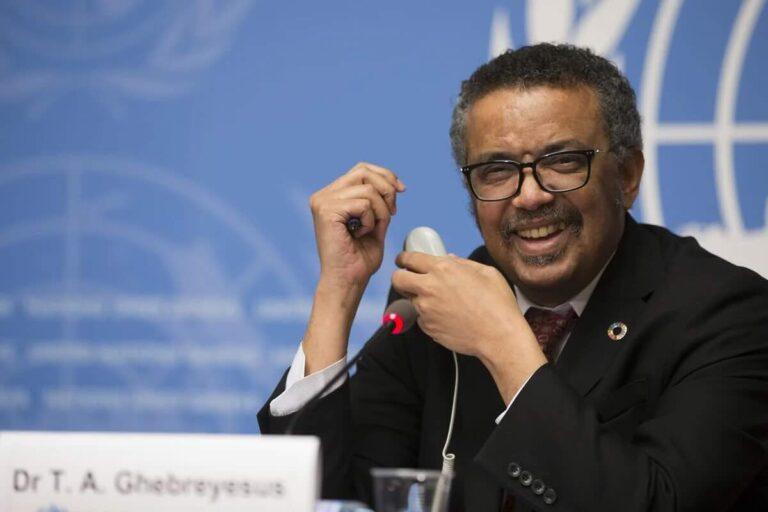
    The Director-General of the World Health Organization (WHO), Dr. Tedros Adhanom Ghebreyesus, issued a stark warning on Wednesday about the escalating humanitarian crisis in Gaza, describing a deadly surge in malnutrition and hunger-related deaths among the besieged population of 2.1 million.

    Speaking at a media briefing from WHO headquarters in Geneva, Dr. Tedros said Gaza’s people are now facing “another killer on top of bombs and bullets: starvation.” He revealed that since July 17, severe acute malnutrition (SAM) centres in Gaza have reached capacity and are struggling to treat new cases due to a lack of emergency food supplies.

    “In 2025 alone, WHO has documented 21 deaths related to malnutrition among children under five,” he said. “More than 10 per cent of children are suffering from global acute malnutrition, and over 20 per cent of screened pregnant and breastfeeding women are severely malnourished.”

    Food Crisis Deepens

    Dr. Tedros attributed the worsening hunger crisis to the collapse of aid pipelines and ongoing restrictions on humanitarian access. From early March to mid-May, no food entered Gaza due to a total blockade, and although some deliveries have resumed since, they remain “far below what is needed for survival.”

    “Parents tell us their children cry themselves to sleep from hunger,” he said, noting that food distribution sites have become dangerous flashpoints. Between May 27 and July 21, health authorities reported 1,026 deaths of people attempting to access food at distribution points.

    The situation is exacerbated by a dire shortage of clean water, with 95 per cent of Gaza households lacking sufficient daily access to drinking and cooking water. Additionally, nearly 90 per cent of Gaza’s territory is now under evacuation orders or within militarized zones, rendering aid delivery and healthcare access nearly impossible.

    WHO Operations Targeted

    Dr. Tedros condemned a recent attack on WHO personnel in Deir al-Balah, where staff and their families came under fire. The WHO residence was stormed by Israeli military forces, leading to the detention of one staff member and the forced evacuation of women and children amid active conflict.

    “Our main warehouse, containing vital medicines and supplies, was also severely damaged,” he said. “This is severely compromising our operational presence and pushing survival even further out of reach for over two million people.”

    Despite the challenges, Dr. Tedros affirmed WHO’s commitment to remain in Gaza, calling for the protection of UN personnel, civilians, and healthcare services. He also reiterated demands for unimpeded humanitarian aid and the immediate release of hostages.

    Syria and Global Health Attacks

    The Director-General also raised alarm over deteriorating conditions in Syria, particularly in As-Sweida, where hospitals face critical shortages of staff, electricity, and medical supplies. He emphasized the importance of protecting health care facilities and personnel in conflict zones.

    “Health care must never be a target,” he stressed. “Safe and sustained humanitarian access in Gaza, Syria, and all humanitarian settings is critical.”

    Clarifying WHO’s Role in Global Health Policy

    Addressing what he called “recent claims” about WHO’s authority over countries’ public health decisions, Dr. Tedros firmly stated that WHO does not have the power to impose mandates such as travel bans, lockdowns, or vaccination requirements.

    “WHO cannot tell countries what to do,” he said. “All recommendations are evidence-based and non-binding. The implementation is solely up to each Member State.”

    He clarified that the International Health Regulations (IHR), their amendments, and the new Pandemic Agreement are the result of negotiations by WHO’s 194 Member States—not directives imposed by WHO itself.

    “These documents were developed by countries, for countries,” Dr. Tedros explained. “Our job is to provide science-based guidance and support, nothing more.”

    Updates on the Pandemic Agreement

    He also provided an update on the Intergovernmental Working Group, established to negotiate the annex on pathogen access and benefit sharing, a key component of the Pandemic Agreement. The group aims to present the completed annex at the next World Health Assembly in May 2026.

    “This agreement builds on lessons learned from COVID-19,” he said. “It is designed to ensure stronger cooperation and coordination in the face of future pandemics.”

    Vaccine Inequity and Measles Resurgence

    WHO’s joint report with UNICEF on global immunization revealed that although vaccine coverage has modestly improved, an estimated 14.3 million children received no vaccines in 2024, with millions more partially immunized.

    Conflict-affected regions were found to be particularly vulnerable, contributing to a resurgence of measles, one of the most infectious diseases. In 2024, 60 countries experienced major measles outbreaks—nearly double the number in 2022.

    “Access and vaccine hesitancy remain critical barriers,” Dr. Tedros said. He encouraged the public to seek accurate vaccine information from trusted health sources.

    Breakthrough in HIV Prevention

    In a more hopeful development, Dr. Tedros announced new WHO guidelines for the use of Lenacapavir, a groundbreaking injectable HIV prevention drug. Offering protection for six months with over 96 per cent efficacy, the drug is expected to be a game-changer in HIV prevention.

    WHO is working with nine early adopter countries and six generic manufacturers to make the drug more widely available, with the aim of broad distribution by 2027.

    Progress in Disease Elimination

    The briefing closed on a positive note with the announcement that Suriname has been certified malaria-free, becoming the 47th country or territory to achieve this status. Additionally, trachoma has been eliminated as a public health problem in Burundi and Senegal, bringing the total number of countries to eliminate at least one neglected tropical disease to 57.

    Dr. Tedros also marked World Drowning Prevention Day—observed this Friday—by underscoring the importance of low-cost interventions to prevent child drownings, which continue to claim hundreds of thousands of lives annually.

    “This is a day to remind ourselves that many of the greatest threats to life are preventable,” he said.

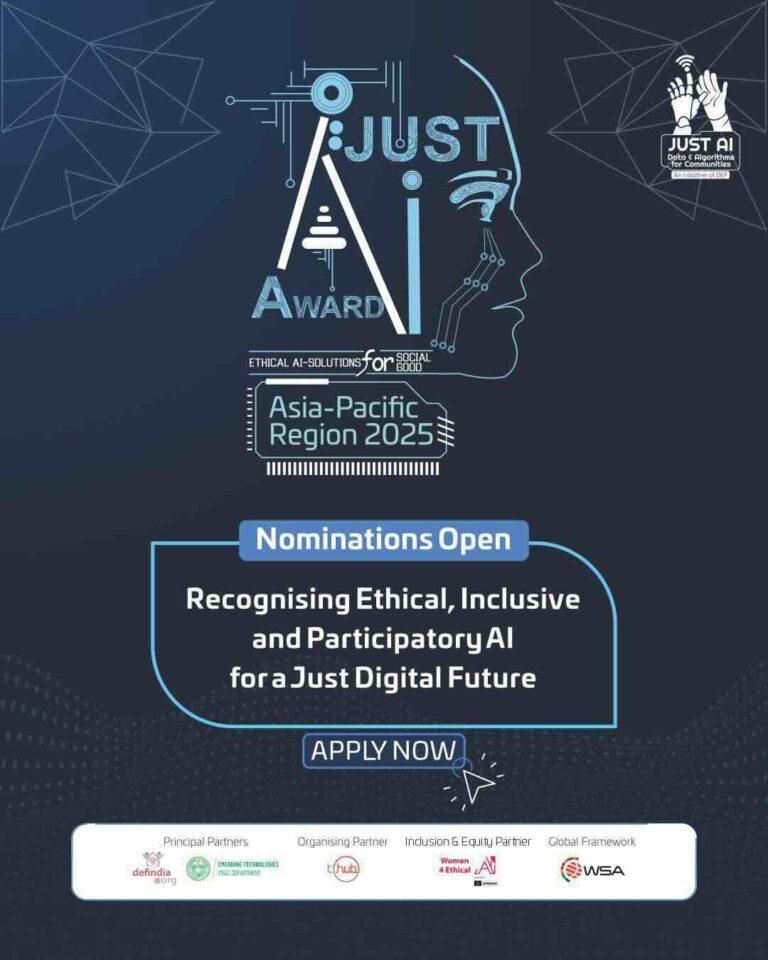
    Nominations Open for 2nd Just AI Awards 2025 – Asia Pacific Edition

    With a growing focus on AI for Social Good, the awards serve as a platform for changemakers who are creating context-aware technologies that prioritize equity, justice, and real-world impact. It recognised ethical AI innovation for social good across the region.

    The second edition of the Just AI Awards – Asia Pacific is now open for nominations, spotlighting individuals and organisations that are building ethical, inclusive, accountable, and impactful AI solutions for the public good.

    With a growing focus on AI for Social Good, the awards serve as a platform for changemakers who are creating context-aware technologies that prioritize equity, justice, and real-world impact.

    Eligible applicants include startups, researchers, civil society organisations, youth innovators, technologists, and institutions working on AI tools or systems that are already live or deployed.

    This year’s theme — Inclusive, Accountable, Context-Aware, and Public Interest Driven AI — underscores the importance of responsible AI development in critical sectors such as education, healthcare, labour, climate, and governance.

    In a major highlight for 2025, the awards have partnered with the Women 4 Ethical AI South Asia Chapter (W4EAISAC), powered by UNESCO, to further champion gender equity and inclusion in the AI space. The collaboration aims to increase the visibility of women AI professionals from across the Asia-Pacific region, particularly those working at the intersection of technology, ethics, and social innovation.

    “This partnership is about amplifying diverse voices in AI and ensuring that innovation is rooted in justice and inclusion,” said a spokesperson from W4EAISAC.

    “Winners of the Just AI Awards 2025 stand to gain up to ₹25 Lakh in financial support, world-class mentorship from global AI experts, and incubation assistance to help scale their solutions for broader impact,” informs Osama Manzar of the Digital Empowerment Foundation.

    Organisers invite applications from those developing AI technologies that address pressing public challenges and strive to centre people-first innovation.