More

    Gaza: ‘No One Should Ever be Forced to Risk Their Life to Find Food,’ Says UN OCHA

    Nearly a week since the Israeli announcement to allow the scale up of aid and tactical pauses to allow safe passage of UN convoys, OCHA reported that the aid that has entered Gaza so far remains insufficient.

    As Gaza faces famine-like conditions, large numbers of people reportedly continue to be killed and injured while searching for food, the UN Office for the Coordination of Humanitarian Affairs (OCHA) said on Friday. 

    The months-long deprivation of most life-sustaining basic goods has led to a deepening of the crisis.  More than 100 people were killed, and hundreds of others injured, along food convoy routes and near Israeli-militarised distribution hubs in the past two days alone.  

    As one in three people currently going days without food, OCHA reiterated that no one should ever be forced to risk their life to get something to eat.  

    Ted Chaiban, Deputy Director of UN children’s agency UNICEF, who is fresh from a visit to Gaza, noted that “the marks of deep suffering and hunger were visible on the face of families and children.”

    He was briefing journalists in New York about his five-day visit in Gaza, the West Bank and Israel. 

    Grave Risk of Famine

    “Gaza now faces a grave risk of famine,” he said, briefing journalists in New York about his five-day mission to the enclave, the West Bank and Israel.

    “This is something that has been building up, but we now have two indicators that have exceeded the famine threshold.”  

    The crisis can only be addressed through unrestricted flow of aid into Gaza, with commercial supplies also allowed to enter to help address people’s needs.  

    Nearly a week since the Israeli announcement to allow the scale up of aid and tactical pauses to allow safe passage of UN convoys, OCHA reported that the aid that has entered Gaza so far remains insufficient, while UN convoys continue to face impediments and danger along the routes provided by the Israeli authorities.  

    “Civilians must always be protected and community-level aid delivery at scale must be facilitated, not obstructed,” said OCHA.  

    Starved, Bombed and Displaced  

    “The children I met are not victims of a natural disaster. They are being starved, bombed, and displaced,” Mr. Chaiban said.  He noted that more than 18,000 boys and girls have been killed since the beginning of the war, “an average of 28 children a day, the size of a classroom, gone.”

    While in Gaza, Mr. Chaiban met with the families of the 10 children killed and 19 injured by an Israeli airstrike as they were queuing for food with their mothers and fathers at a UNICEF-supported nutrition clinic in Deir Al-Balah.  

    Discussion with Israeli Authorities

    Engaging with Israeli authorities in Jerusalem and Tel Aviv, UNICEF “pressed for a review of [Israel’s] military rules of engagement to protect civilians and children,” Mr. Chaiban said.

    Simultaneously, UNICEF also called for more humanitarian aid and commercial traffic to come in to stabilise the situation and reduce the desperation of the population.

    “Children should not be getting killed waiting in line at a nutrition centre or collecting water, and people should not be so desperate as to have to rush a convoy,” he said.  

    “What is happening on the ground is inhumane.” Mr. Chaiban said, hoping for a sustained ceasefire and a political way forward.

    From UN News

    Myanmar Junta Rebrands, Lifts Emergency, but Critics Say It’s a Power Grab Ahead of ‘Fake’ Election

    The National Unity Government (NUG), a parallel administration formed by ousted lawmakers after the coup, said it is restructuring itself to better support the resistance and the needs of the people.

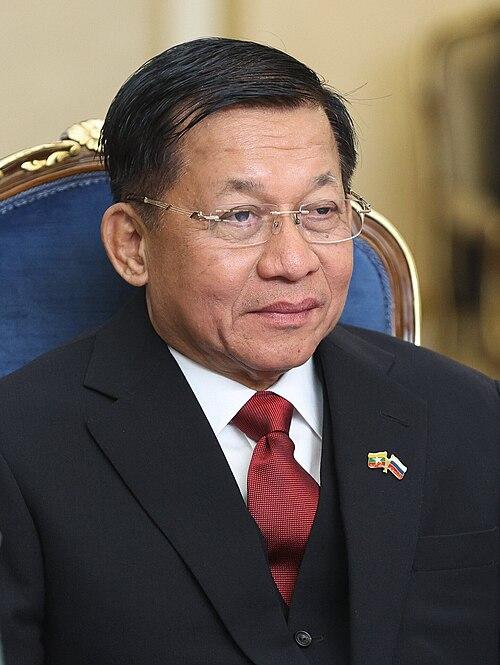
    Myanmar’s military junta has dissolved its ruling body and reshaped itself under a new structure ahead of long-promised national elections in December. The move, however, is drawing heavy criticism from opposition figures, activists, and international observers, who say it is nothing more than a cynical rebranding effort by junta leader Min Aung Hlaing to cement his grip on power.

    Hlaing plans to run for the office of the president.

    On July 31, the military government announced it had disbanded the controversial State Administration Council (SAC), formed after the February 2021 coup, transferring control to a newly formed body, the National Defense and Security Commission (NDSC). The revamped commission will be chaired by Senior General Min Aung Hlaing, who will also serve as the acting president and commander-in-chief of the Defense Services.

    In the same announcement, the junta said it was ending the nationwide state of emergency that had been in effect since the coup. According to junta spokesperson General Zaw Min Tun, the emergency was lifted because its “objectives had been fulfilled,” and the country was now ready to transition to a “multi-party democratic system.”

    But few inside or outside Myanmar are convinced.

    “This is not reform; it’s a power grab disguised as reform,” said Ma Ei Ei Khin, a 36-year-old member of the Civil Disobedience Movement now living in exile in Thailand. “Min Aung Hlaing is giving himself more titles, not giving up power. We will never recognize their fake election.”

    A New Structure, Same Faces

    According to the junta, the NDSC will now assume all legislative, executive, and judicial powers, as permitted under Article 427(a) of the 2008 Constitution. While Min Aung Hlaing has formally “returned” his previous executive powers to the acting president, critics say the shift is purely cosmetic.

    The new interim government will remain in place until a new parliament and government are formed after the December elections. The cabinet will comprise 27 ministers and 36 deputy ministers, many of whom are military officials and SAC loyalists.

    The NDSC laid out four strategic objectives: establishing a disciplined multi-party democracy, boosting agriculture, improving education and healthcare, and encouraging public participation in the upcoming vote. But a concurrent 90-day state of emergency was declared in 63 townships across nine regions and states, where armed resistance remains strong — underlining how little control the junta has in many parts of the country.

    “These areas have seen ongoing clashes between the Myanmar military and ethnic revolutionary organizations,” the NDSC admitted.

    ‘North Korea-Style’ Rule?

    On the streets and in exiled communities, many see the December election not as a return to democracy, but as a tightly orchestrated sham.

    “Even if no one votes, they’ll declare they’ve won. Their election is fake and everyone knows it,” said Ko Kyaw Myo Aung, a 43-year-old marine engineer. “We are living under a regime that wants to become the next North Korea.”

    Other civilians echoed the sentiment. “I will never trust the military junta,” said Mya Khwar Nyo, a senior employee at a foreign investment firm. “They’re just protecting themselves and their wealth.”

    The National Unity Government (NUG), a parallel administration formed by ousted lawmakers after the coup, said it is restructuring itself to better support the resistance and the needs of the people.

    “We are entering the fifth year of the Spring Revolution,” an NUG spokesperson said. “We are aligning ourselves with the people’s needs and the realities of the struggle.”

    Resistance forces on the ground are also preparing to intensify their operations. The Mon State Revolutionary Force (MSRF) has pledged to escalate military activities to prevent the junta from conducting what it calls a “fraudulent” election.

    Repressive Election Law Introduced

    Further fueling skepticism about the upcoming vote is a new law enacted on July 29, criminalizing any opposition to the electoral process. The “Law on the Protection of Multiparty Democratic Elections from Obstruction, Disruption and Destruction” imposes prison sentences of 3 to 7 years for individuals and up to 10 years for groups who are accused of disrupting or criticizing the election.

    Damaging polling stations or intimidating election workers could result in up to 20 years in prison, and any deaths during alleged disruptions could lead to the death penalty for all involved.

    Analysts say this law is aimed squarely at opposition groups, many of whom have been banned or disbanded by the junta-controlled Union Election Commission. Only 55 parties have been approved to contest the election, most aligned with the regime.

    The law arrives amid mounting reports that census workers deployed last year were unable to collect data from an estimated 19 million people due to insecurity, casting further doubt on the feasibility of a nationwide vote.

    International Reactions Mixed

    UN special rapporteur Tom Andrews recently called on the international community to reject the upcoming election as a sham.

    “The junta is trying to create this mirage of an election exercise that will create a legitimate civilian government,” he said.

    Meanwhile, the United States has quietly lifted sanctions on several Myanmar military-linked companies and individuals — a move that drew backlash from rights groups. The removals were made shortly after Min Aung Hlaing sent a letter to Donald Trump, praising his leadership and expressing hope for closer ties.

    Among the delisted entities were KT Services and Logistics, Myanmar Chemical and Machinery Company, and Suntac Technologies, all previously sanctioned for military links. A US Treasury spokesperson denied any political motive, stating the changes were part of “ordinary course of business.”

    However, the optics have raised eyebrows, especially given that Min Aung Hlaing’s letter to Trump was widely seen as an attempt to gain recognition from a US president known for his transactional diplomacy.

    As Myanmar moves toward its controversial December election, fears are growing that the junta’s changes are simply a consolidation of authoritarian rule under a democratic façade. For millions inside the country, the rebranding brings little hope for real reform — only more repression.

    “They can call it democracy,” said businesswoman Ma Hsu Thinzar from Yangon, “but it’s just dictatorship wearing a new mask.”

    Image: Wikimedia

    Families of Blasphemy Victims to Challenge Suspension of Probe in Pakistan Supreme Court

    The allegations against the so-called blasphemy gang gained credibility through several live-streamed testimonies from individuals who claimed they were blackmailed or falsely implicated.

    Families of victims of an alleged “blasphemy gang” have vowed to challenge a controversial court decision suspending an investigation into what they claim is widespread abuse of Pakistan’s blasphemy laws. The Islamabad High Court (IHC) had initially ordered the formation of a commission to probe the misuse of the law, but that decision was overturned last week, triggering outrage and disappointment among victims’ families.

    The group, made up of 101 families, says the July 24 ruling by an appellate bench of the IHC is a serious setback in their pursuit of justice. The families allege that a criminal network, in collaboration with the Federal Investigation Agency (FIA), entrapped mostly young people in fabricated blasphemy cases in order to extort money. The victims reportedly include 10 Christians, and at least five people have died in police custody while facing the false accusations.

    Judge Sardar Ejaz Ishaq Khan had originally ordered, on July 15, the formation of a government-backed commission to investigate these claims. His directive required the commission to be established within one month and to complete its findings within four months. However, after mounting pressure from hardline religious groups, the decision was suspended by the IHC appellate bench in an interim order.

    “This is deeply frustrating,” said lawyer Rana Abdul Hameed, who represents several of the petitioning families. “The original verdict was based on merit. It’s highly irregular to issue an interim order while proceedings are ongoing.” Hameed confirmed that the families plan to challenge the suspension in Pakistan’s Supreme Court.

    Rights activists and legal experts say the reversal reflects the growing influence of extremist elements in the country’s legal and political systems. The July 15 order was met with intense opposition from hardline Muslim groups, including Tehreek-e-Labbaik Pakistan (TLP), which launched a media campaign accusing the judiciary of siding with “blasphemers.” The TLP and other groups also displayed banners and spread online content denouncing the ruling as anti-Islamic.

    Live-Streamed Testimonies

    On July 27, the Ittehad-e-Millat-e-Islamia, another fundamentalist religious alliance, held a meeting in Lahore where about 20 clerics condemned Judge Khan’s verdict and demanded disciplinary action against him.

    The father of a 24-year-old Muslim man currently in police custody described the court’s reversal as a betrayal. “We are all worried since the investigation has been put on hold. It was a straightforward case,” he told UCA News anonymously. He said that the families would host a seminar on August 2 in Islamabad, bringing together clerics, civil society members, and legal professionals to gather support amid increasing pressure from radical religious groups.

    The allegations against the so-called blasphemy gang gained credibility through several live-streamed testimonies from individuals who claimed they were blackmailed or falsely implicated. “It’s not Islam under threat — it’s the criminals who feel endangered,” said Hameed.

    Christian advocacy organizations have also condemned the suspension. Faraz Pervaiz, a Pakistani Christian advocate with the Thailand-based Refuge of David Mission Asia, called on the Supreme Court to reinstate the probe. “This appeal is not legally grounded but politically engineered to appease extremists and suppress truth,” he said. “Suspending the ruling is a moral failure and a concession to religious radicalism.”

    Pakistan’s blasphemy laws remain one of the most contentious legal issues in the country. While intended to protect religious sentiments, they have often been used to settle personal scores, silence dissent, or target religious minorities.

    For now, families of the accused remain in limbo, determined to fight what they see as a dangerous precedent. “We will not back down,” said the father of one victim. “Justice must prevail, even if it means going all the way to the Supreme Court.”

    Maldives Moves Toward Death Penalty for Drug Traffickers Amid Rising Concerns

    The Drugs Act Amendment Bill was originally tabled in Parliament late last year. While the initial draft reportedly included provisions for the death penalty, those clauses were omitted by the time it was officially sent to Parliament.

    The Maldivian government has announced plans to revise the country’s Drugs Act to introduce the death penalty for individuals convicted of smuggling drugs into the island nation. The move, which signals a dramatic shift in criminal justice policy, was confirmed by Attorney General Ahmed Usham on Thursday.

    Usham stated that the revised legislation is being finalized and will be submitted to Parliament within the current legislative session. “We are working to finalize the amendments and resubmit the revised version to Parliament within a week,” he said, confirming that key state agencies, including the Maldives Police Service and the Prosecutor General’s Office, have already provided their input.

    The Drugs Act Amendment Bill was originally tabled in Parliament late last year. While the initial draft reportedly included provisions for the death penalty, those clauses were omitted by the time it was officially sent to Parliament. However, in a major policy shift, President Dr. Mohamed Muizzu announced Wednesday night that he wants harsher penalties reinstated, including capital punishment for drug traffickers.

    In a post shared on the social media platform X, President Muizzu said his administration intends to follow the lead of several other nations that impose the death penalty for drug-related crimes. “Our objective is to create a drug-free generation and protect society from the devastating impacts of narcotics,” the President wrote.

    Under current Maldivian law, drug trafficking is punishable by life imprisonment and fines ranging from MVR 100,000 to MVR 10 million (approximately USD 6,500 to USD 650,000). The death penalty is currently legal only for crimes such as intentional homicide, terrorism, treason, apostasy, and adultery. Although multiple inmates are on death row, Maldives has not carried out an execution since 1953, effectively maintaining a de facto moratorium.

    Adherence to International Standards

    Yet the winds may be shifting. On December 20, 2023, just one month after taking office, Home Minister Ali Ihusan announced the government’s intent to resume executions. Speaking to local media, he stated that the administration would take all necessary steps to implement the death penalty in line with national laws and international norms. Nearly a year later, he reaffirmed this commitment, noting that preparations were underway.

    “Due to the irreversible nature of capital punishment, all judicial processes must be exhausted,” Ihusan emphasized, adding that any implementation would be carried out with full adherence to international standards.

    The move has reignited debate both domestically and internationally, particularly among human rights organizations and legal scholars. The United Nations Human Rights Review conducted last year acknowledged the Maldives’ commitment to Islamic law, while cautioning against the reintroduction of capital punishment. Groups like Amnesty International and the UN Human Rights Committee have long opposed the death penalty, especially in countries with records of judicial irregularities or where juveniles might be sentenced.

    The Maldives has drawn criticism in the past for allowing the death penalty for crimes committed by individuals under the age of 18, a violation of international human rights conventions. Although the country changed its official method of execution from lethal injection to hanging, no executions have occurred in more than six decades. In 2016, plans to execute a convicted murderer were halted after widespread international calls for clemency.

    If the revised Drugs Act is passed with the proposed amendments, the Maldives would become only the second country in the South Asian region, after Singapore, to actively enforce the death penalty for drug trafficking. While Sri Lanka also maintains capital punishment laws for similar crimes, it continues to observe an unofficial moratorium.

    Growing concerns

    The Attorney General’s announcement comes amid growing concerns about drug abuse and trafficking in the Maldives. As a popular tourist destination with porous maritime borders, the country has increasingly become a transit point for international drug syndicates. According to recent reports from Maldivian law enforcement, drug-related arrests and seizures have seen a sharp rise in the past two years.

    President Muizzu’s administration has pledged to tackle the issue head-on, framing it as a national security and public health crisis. In addition to harsher sentencing, the government has proposed expanded rehabilitation programs and community-based initiatives aimed at prevention.

    Still, critics argue that the reintroduction of capital punishment does not address the root causes of drug abuse and poses serious risks to justice and human rights.

    “The death penalty is not a proven deterrent,” said one local human rights advocate, who asked to remain anonymous due to safety concerns. “We need a more holistic approach—one that includes treatment, education, and socioeconomic reforms.”

    As Parliament prepares to debate the revised bill, the nation finds itself at a legal and moral crossroads. The outcome could define the Maldives’ approach to criminal justice for years to come, and reshape its international image in the process.

    For now, all eyes remain on Parliament and the government’s next steps as the controversial bill nears submission.

    Footsteps That Saved the Jungle: The Van Rakshaks of Valmiki

    There was a time when the Valmiki Tiger Reserve bore little resemblance to the thriving forest it is today. In 2010, the reserve had just eight surviving tigers. Poaching syndicates operated unchecked. Traps were laid openly.

    By Pavel Ghosh

    Not all battles are fought with weapons. Some are fought with leech-clad boots, aching limbs, sunburnt skin, and sleepless nights far from family – fought silently by those whose mission is to protect India’s natural heritage.

    One such frontline is the dense green fold of Valmiki Tiger Reserve (VTR), nestled in Bihar’s northwestern frontier. Here, mobile signals fade, but the jungle connects with a deeper rhythm – one shaped not just by monsoons and migrations, but by the unwavering footsteps of those who guard it. They are foresters, forest guards, tiger trackers, rhino watchers, and frontline patrolling staff – the unsung sentinels whose quiet commitment holds together the fragile balance between wilderness and the human world. On World Ranger Day, Valmiki remembers them – in the trees that stand tall, in tigers that still prowl fearlessly, and in birds that continue to sing. Behind every saved life, there is one Van Rakshak who stood in its defence.

    There was a time when Valmiki bore little resemblance to the thriving forest it is today. In 2010, the reserve had just eight surviving tigers. Poaching syndicates operated unchecked. Traps were laid openly. Encroachment spread steadily, and with it grew the fear that the forest’s end was near. But amid this despair, a quiet resistance began. Forest patrolling staff, including foresters and forest guards, along with local trackers who knew the jungle intimately, chose to stand their ground. They declared: “This forest is ours. We will not let it die.” Their dedication was not without sacrifice.

    Patrolling teams – comprising permanent and temporary staff – began venturing deeper, farther, and longer: across rugged hills, dense thickets, rivers, and streams. Rain or shine, they walked the wild with vigilance. Armed with sticks and wireless sets, they dismantled traps, seized illegal arms, and responded to wildlife emergencies. In remote, sensitive zones, anti-poaching camp (APC) staff lived in bare-bones camps for weeks. They cooked their own meals, faced wild animals and poachers, and endured harsh weather – with little more than courage and commitment. Their reward was not comfort, but the knowledge that their presence was saving lives. Most of the daily wage staff lacked formal education in wildlife science, but they had something more powerful: generational knowledge. They could read a disturbed bush, spot the faintest pugmark, and interpret the meaning behind a broken twig. They were the jungle’s whisperers. Tiger and rhino trackers became the forest’s first line of intelligence, playing a key role in curbing wildlife crime.

    Indigenous Communities

    Even the strongest resolve needs support. The Bihar Forest Department, recognising the immense service of its frontline staff, has consistently worked to improve their working conditions, upgrade remote camps, and provide better equipment. These efforts were meaningfully bolstered by the Wildlife Trust of India (WTI) under its flagship Van Rakshak Project (VRP), launched in 2000. The VRP aimed to bring dignity, identity, and capacity to India’s forest protection force – especially in overlooked landscapes like Valmiki. Thousands of forest guards and temporary staff have since been trained in wildlife crime investigation, evidence handling, emergency response, first-aid, and wildlife laws. In Valmiki, this renewed skillset – backed by WTI’s technical assistance and the department’s logistical support – made Van Rakshaks more confident and effective. Patrol routes became more strategic, response times improved, informer networks grew, prosecution rates increased, and poaching incidents dropped – and the forest began to heal.

    Since 2019, WTI, with the support of the Bureau of International Narcotics and Law Enforcement Affairs (INL), United States Department of State, has been providing wildlife crime prevention assistance to these guardians of VTR. To further boost morale and enhance operational readiness, field kits – including raincoats, water bottles, caps, and other essentials – were distributed to departmental staff, helping them stay better equipped to face the challenging conditions in the service of wildlife protection.

    World Ranger Day

    Many of the brave daily wage staff guarding Valmiki belong to indigenous communities – Tharu, Oraon, and Mushahar – for whom the forest is not just a workplace, but an extension of their home. They grew up listening to the calls of animals and learned to read the seasons through signs in nature. For them, protecting a wild animal is not a job – it is devotion. The rise in tiger numbers is a visible outcome, but the deeper success lies in the restoration of trust between people and the forest. Communities surrounding the reserve have begun reporting crimes, engaging in conservation, and taking pride in their shared heritage. The forest is no longer a battleground – it is a collective legacy.

    And so, on this World Ranger Day, while the world scrolls through headlines, the forest remembers – not in words, but in silence. In every rustling leaf, in every tiger that crosses a camera trap, in every rhino calf curled beside its mother – it remembers those who guard it, so others may live. We may never know all their names, but the jungle will always carry the memory of their courage and kindness. To the guardians of Valmiki – the Van Rakshaks, the foresters, the forest guards, the trackers, the patrolling party staff, the APC staff and the rhino watchers – your stories are not written in ink but in every footprint of the forest. You are not just protectors of the wild. You are the reason the wild still dreams. And because of you – and the enduring commitment of the Bihar Forest Department and WTI – the roar of Valmiki will never fade.

    The author is Senior Field Officer with the Wildlife Trust of India.

    Image: Wildlife Trust of India

    In the Lok Sabha: Chouhan Shares Comprehensive Agricultural Development Data

    Horticulture production has jumped from 280.70 million tonnes to 367.72 million tonnes, the agriculture minister said. He also noted a significant increase in milk production in the country, entirely driven by farmers.

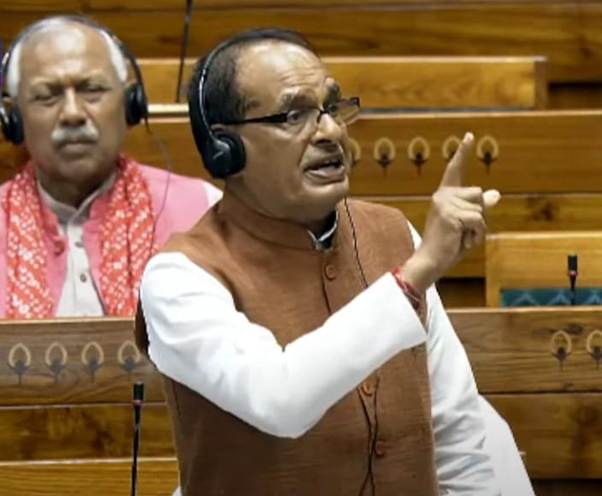
    Union minister for agriculture, farmers welfare, and rural development, Shivraj Singh Chouhan, provided a comprehensive update on the state of agriculture in the country. He shared facts and figures to highlight that the campaign to increase farmers’ income is progressing steadily.

    Chouhan said this while speaking during the question hour in the Lok Sabha on Tuesday.

    The Union Minister outlined six key measures taken for agricultural development:

    • Boosting production
    • Reducing input costs to raise farmers’ income
    • Ensuring fair prices for farm produce
    • Providing adequate compensation in case of losses
    • Promoting agricultural diversification, including cultivation of fruits, vegetables, medicinal plants, agroforestry, fishery, and animal husbandry
    • Encouraging natural farming and balanced use of fertilisers to safeguard soil for future generations

    Chouhan stated that over the past 10 years, crop production has increased from 246.42 million tonnes to 353.96 million tonnes. The production of pulses rose from 16.38 million tonnes to 25.24 million tonnes, and production of oilseeds has increased from 27.51 million tonnes to 42.61 million tonnes. Horticulture production also jumped from 280.70 million tonnes to 367.72 million tonnes. The agriculture minister also noted a significant increase in milk production in the country, entirely driven by farmers.

    On the issue of farmers’ income, Chouhan asserted that many farmers have more than doubled their incomes under the National Democratic Alliance (NDA) government, as he compared the previous UPA (United Progressive Alliance) government’s agriculture budget of ₹27,000 crore with the current allocation of ₹1.27 lakh crore. The PM-Kisan Samman Nidhi, which did not exist earlier, now benefits 10 crore farmers, Chouhan said, adding that the central government is providing around ₹2 lakh crore in fertiliser subsidies annually.

    Surge in Institutional Credit

    The agriculture minister said that under the Modi government, institutional credit has also surged from ₹7 lakh crore during the UPA era to ₹25 lakh crore today. Regarding the Pradhan Mantri Fasal Bima Yojana (PMFBY), he said the centre has disbursed claims worth ₹1.83 lakh crore against a collected premium of ₹35,000 crore directly into farmers’ accounts.

    To promote income growth, the government is subsidising mechanisation and providing drip and sprinkler systems under the ‘Per Drop More Crop’ initiative. Investments are being made in polyhouses, greenhouses, and efforts are also underway to boost fruit and vegetable production and ensure fair procurement.

    The minister emphasised that to raise farmers’ income, the government decided to ensure a minimum of 50 per cent profit margin over cost in the minimum support prices (MSP). Large-scale procurement is currently underway, and farmers are receiving compensation for crop losses. Subsidised fertilisers like urea and DAP (Diammonium Phosphate) are also being made widely available, the Minister said.

    Chouhan further highlighted that special schemes have been designed for small landholders and tenant farmers. He said that the union government has allowed owners to authorise tenant farmers to receive PMFBY benefits. Recently, 6.55 lakh tenant and sharecropping farmers were covered under the scheme, benefiting a total of over 41.62 lakh farmers.

    Chouhan also informed the House that the PM-AASHA scheme has been launched to procure pulses and oilseeds like tur, masoor, and urad at 100 per cent MSP. (The Pradhan Mantri Annadata Aay SanraksHan Abhiyan (PM-AASHA) is an umbrella scheme by the Indian government aimed at ensuring farmers receive remunerative prices for their produce, thus safeguarding their income. It comprises the Price Support Scheme (PSS), Price Deficiency Payment Scheme (PDPS)).

    Significant Increase in MSP

    Chouhan said that measures are in place to ensure that middlemen don’t exploit farmers, and that MSP rates are delivered effectively.

    He cited data showing that MSP rates have significantly increased:

    • Paddy: ₹1,310 (2013–14) → ₹2,369
    • Bajra: ₹1,250 → ₹2,775
    • Ragi: ₹1,500 → ₹4,886
    • Maize: ₹1,310 → ₹2,400
    • Tur: ₹4,300 → ₹8,000
    • Moong: ₹4,500 → ₹8,768
    • Urad: ₹4,300 → ₹7,800
    • Groundnut: ₹4,000 → ₹7,263
    • Sunflower: ₹3,700 → ₹7,721
    • Soybean: ₹2,560 → ₹5,328
    • Sesame: ₹4,500 → ₹9,846
    • Niger seed: ₹3,500 → ₹9,537
    • Cotton: ₹3,700 → ₹7,710

    He stressed that MSPs have not only doubled, but procurement volumes have also risen significantly. Under the previous government, only 6 lakh metric tonnes of pulses were procured in 10 years. Under the current government, this figure has soared to 1.82 crore metric tonnes.

    Concluding his remarks, Chouhan said that prime minister Narendra Modi is a true well-wisher of farmers, and has restructured the PMFBY to be more farmer-friendly. If an insurance company fails to pay the due claim within 21 days of the deadline, 12 per cent interest will be charged and credited directly to the farmer’s account. The same 12 per cent interest applies if a state government delays its share of the premium. The Minister added that challenges related to crop cutting experiments are being addressed through YESTECH, a technology-based yield estimation system using satellite-based remote sensing. This shift will promote transparency and enable digital assessment of crop loss, ensuring timely and accurate compensation under PMFBY.

    Trapped Between Borders: Afghan Returnees Struggle Amid Forced Deportations from Iran and Pakistan

    As the number of returnees continues to rise, the challenge for Afghanistan’s de facto government and aid agencies grows more urgent. Without immediate investment in infrastructure, job creation, and social support systems, the country faces the risk of widespread humanitarian breakdown.

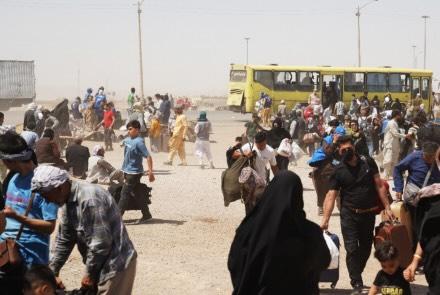
    As the wave of deportations from Pakistan and Iran surges, tens of thousands of Afghan migrants are returning home – many not by choice, but by force. What awaits them is not a warm welcome or reintegration, but a grim landscape of unemployment, homelessness, and hunger. Their lives, once built over decades in neighbouring countries, have been reduced to uncertainty within their own homeland.

    Among them is Abdul Sattar, who arrived in Afghanistan just yesterday after years of living in Pakistan. He recalls the sudden demand from Pakistani authorities for Afghans to vacate the country. “It’s out of necessity; there is neither work nor livelihood here,” Sattar told reporters in Kabul. “There must be opportunities for jobs, livelihood, and shelter, because this is a problem for everyone. No one can find a proper job or life for themselves and their children. This is our request from the Islamic Emirate.”

    Like Sattar, Mohammad Ismail of Balkh province spent the last five years in Iran, only to be forcibly deported in recent weeks. “Our fate must be decided,” said Ismail, surrounded by his children. “These are seven or eight of our children; a house and a life must be provided for us together. I am an old man, where should I go and what work can I do?”

    Such testimonies underscore a growing crisis: the mass return of Afghan migrants without a safety net. Most have come back unprepared, some stripped of their belongings and resources, others still in shock from the sudden rupture of lives built across borders.

    Pakistan’s Shifting Stance

    The situation is especially dire for Afghan migrants in Pakistan, where visa renewals have been suspended, and Proof of Registration (PoR) cards invalidated without clear guidance. Migrants are reporting increased police harassment and arbitrary detentions.

    Atiqullah Mansour, an Afghan living in Pakistan, described the worsening conditions: “Among the current issues faced by Afghan migrants are the non-renewal and high cost of Pakistani visas, contradictory reports about the extension or cancellation of POR cards, and UNHCR’s lack of attention to migrants with pending cases.”

    Malik Khan Shinwari, another migrant, added: “In Punjab, Balochistan, and other areas of Pakistan, Afghan migrants are harassed and detained by the police.”

    Mohammad Reza Sazesh, based in Islamabad, shared his fears: “Very difficult conditions have been created for all refugees. On one hand, arrests are happening day and night, and on the other hand, visa extensions have stopped. No visa or passport renewals are being processed.”

    These changes have led to a wave of fear and panic. “After a senior Pakistani official announced that PoR cards would no longer be extended, fear and panic spread among Afghan refugees,” Mansour said. “They can’t resolve their decades-long affairs in Pakistan within a short time.”

    The Iranian Exodus

    The situation in Iran is equally bleak. Deportations have been accelerating, and Afghan families are being pushed across the border with little more than the clothes on their backs. UN data shows nearly 339,000 Afghans have returned from Iran in just the first twelve days of July – more than 60 per cent of them are families and 43 per cent are children under 18.

    Zia, a father of several young children, spent seven years in Iran chasing a better life. Now, he lives in a makeshift returnee camp in Kabul, uncertain of what comes next. “We were under pressure, they fined us and deported us, and now we are left with only 200 million tomans, of which only 100 million have been given to us to cover our expenses,” he said. “The UN provides aid that’s neither enough to live nor to die. Our request is for help. We have no home now.”

    His story echoes across countless Afghan families now stranded in a country they once fled – often from the very same poverty, instability, and insecurity they now face again.

    Mounting Humanitarian Concerns

    International organizations are sounding the alarm. The UN Secretary-General’s spokesperson, Stéphane Dujarric, recently announced that $10 million has been allocated from the Central Emergency Response Fund to support Afghan returnees from Iran.

    “There’s been a surge of returns from Iran in recent weeks,” Dujarric said. “The new funding will help expand support for the most vulnerable, including women and children, as they arrive in and in their areas of return.”

    However, aid workers and local NGOs argue that this is merely a drop in the bucket. Many families are arriving to find no infrastructure – no schools, clinics, or job prospects – and no government programs to absorb them. Returnee camps are overcrowded, under-resourced, and barely capable of meeting basic needs.

    Refugee rights activist Mohammad Khan Talebi Mohammadzai warned that the deportation policies, especially Pakistan’s current campaign, could trigger another large-scale humanitarian disaster. “Pakistan’s actions could lead to another humanitarian crisis, especially since other countries are beginning to follow suit,” he said.

    According to the UN and affiliated agencies, over 1.1 million Afghans have been deported from Iran alone this year. This number continues to rise, with little sign of slowing down.

    Challenge Grows More Urgent

    Amid this crisis, calls for accountability and coordinated response are growing. International pressure is mounting on host countries like Iran and Pakistan to halt forced deportations and provide legal pathways for Afghan migrants – especially those who have lived in these countries for decades and whose children know no other home.

    Filippo Grandi, the UN High Commissioner for Refugees, visited Tehran earlier this month to address the situation. He urged Iranian officials to end the policy of forced deportations and engage in constructive dialogue with the international community.

    Yet, many Afghans remain sceptical about what these visits and promises will actually achieve.

    Mohammad Jamal Muslim, a migrant rights activist, said: “Multilateral meetings might send a message to governments, but unfortunately, on critical issues, the UN takes a selective approach toward Third World countries and has so far done nothing meaningful for the citizens who are in need.”

    As the number of returnees continues to rise, the challenge for Afghanistan’s de facto government and aid agencies grows more urgent. Without immediate investment in infrastructure, job creation, and social support systems, the country faces the risk of widespread humanitarian breakdown.

    For now, families like Abdul Sattar’s, Mohammad Ismail’s, and Zia’s wait in limbo – displaced once again, not by war this time, but by shifting borders and broken promises.

    The question that remains is not only how to help them survive – but whether the world will even choose to try.

    In Lok Sabha: Fisheries Development Proposals Worth Rs.21,274.16 Crore Under PMMSY

    The department of fisheries, ministry of fisheries, animal husbandry and dairying has supported fisheries infrastructure projects with a total outlay of Rs.17,210.46 crore including central share of Rs.6761.80 crore to enhance fisheries infrastructure to various States and Union Territories.

    Based on the proposals received from various state governments, union territories and other end implementing agencies, the department of fisheries has so far approved fisheries development proposals worth Rs.21,274.16 crore with central share of rs. 9,189.79 crore under the pradhan mantri matsya sampada yojana (PMMSY).

    This was stated by the union minister of state, ministry of fisheries, animal husbandry and dairying, George Kurian, in a written reply in Lok Sabha on Tuesday.

    Kurian said in his reply that the integrated aquaparks act as hubs of multifarious fisheries to strengthen the aquaculture value chain by providing end to end infrastructure from seed, feed and farming support to processing, cold chain and market access.  They enable cluster-based efficiency, reduce post-harvest losses and enhance farmers income through value addition and organised marketing. The department of fisheries, ministry of fisheries, animal husbandry and dairying under the pradhan mantri matsya sampada yojana (PMMSY) has accorded approvals to the proposals of various State Governments for development of a total 11 integrated aqua parks at a total cost of Rs 682.60 crore.

    He said that under the pradhan mantri matsya sampada yojana (PMMSY), during the last five years (2020-21 to 2024-25), the department of fisheries, ministry of fisheries, animal husbandry and dairying has supported fisheries infrastructure projects with a total outlay of Rs.17,210.46 crore including central share of Rs.6761.80 crore to enhance fisheries infrastructure to various states and union territories.

    The PMMSY has been playing a vital role in generating significant direct and indirect employment opportunities in the fisheries and allied activities such as fishing, aquaculture, processing, transportation and marketing, ponds preparation etc. The estimated employment generation (both direct and indirect) in Karnataka, Tripura and Jammu & Kashmir since inception of PMMSY are 260392, 142292 and 26364 respectively.

    The minister said that the department of fisheries, ministry of fisheries, animal husbandry and dairying has notified 34 fisheries clusters in the country including organic fisheries cluster in Sikkim and Meghalaya.

    2000 Fisheries Cooperative as FFPOs

    The minister informed that the pradhan mantri matsya sampada yojana (PMMSY) provides financial assistance for setting up of fish farmers producer organizations (FFPOs) to economically empower the fishers and fish farmers and enhance their bargaining power. The department of fisheries has accorded approval for formation of existing 2000 fisheries cooperative as FFPOs and formation of new 195 FFPOs. The department of fisheries through national fisheries development board (NFDB) has formulated action plan to form 12,000 fisheries co-operatives in uncovered panchayats/villages with large water bodies/coastal areas over a period of ten years from the year 2023-24 to 2032-33 in two phases – 6,000 from 2023-24 to 2027-28 and another 6,000 from 2028-29 to 2032-33. In addition, the pradhan mantri matsya kisan samridhi saha-yojana (PM-MKSSY) a sub-scheme of PMMSY envisages to support formalisation and strengthening of 5500 primary fisheries cooperatives with mentoring, capacity building and need based financial support.

    The department of fisheries, ministry of fisheries, animal husbandry and dairying, is supporting fisheries startups and entrepreneurs under the pradhan mantri matsya sampada yojana (PMMSY) – with the aim to encourage the startups to develop transformative solutions in the fisheries sector and to drive innovation, sustainability and efficiency by supporting Startups with seed funding and incubation through Startup India (department for promotion of industry and internal trade). To promote innovation, boost private investment, enhance productivity, strengthen market linkages in the fisheries sector, the department of fisheries, ministry of fisheries, animal husbandry and dairying has approved 39 project proposals with subsidy assistance of Rs. 31.22 crores, under the entrepreneur model of the PMMSY scheme.

    Global Tiger Day 2025: WTI Launches GPS-Enabled SOS System and Speed-Boat Medical Response in Sundarbans

    Accidental encounters with tigers have historically led to fatalities and injuries, making rapid medical response and efficient crisis communication a critical need.

    In a landmark initiative aimed at improving human safety and promoting coexistence with wildlife, the Wildlife Trust of India (WTI), in collaboration with the South 24 Parganas Forest Division and Lokamata Rani Rashmoni Mission (LRRM), has launched a GPS-enabled SOS Alarm System and a Speed-Boat Community Support Unit in the Kultali Block of the Sundarban Biosphere Reserve. Supported by IUCN, KFW Development Bank, and German Cooperation, the project was officially inaugurated today at Jharkhali on the occasion of Global Tiger Day 2025.

    This life-saving initiative targets the high-risk zones of the Raidighi Range, where local fishers and crab harvesters frequently venture into tiger territory for their livelihood. Accidental encounters with tigers have historically led to fatalities and injuries, making rapid medical response and efficient crisis communication a critical need.

    The newly launched GPS-enabled SOS devices have been distributed among selected licensed resource harvesters who frequent these high-risk areas. With just a single button press, the device can instantly alert both the West Bengal Forest Department and WTI, triggering a rapid response. This includes the deployment of a specially-equipped speed boat manned by a trained medical professional, WTI staff, forest beat personnel, and a member of the Primary Response Team (PRT).

    This mobile rapid response unit carries essential first aid and life-saving medicines and is capable of providing immediate medical assistance and evacuation to the nearest healthcare facility. Its deployment marks a significant advancement in community safety mechanisms in one of India’s most ecologically vulnerable regions.

    Pioneering Project

    Prosenjit Sheel, Project Head of WTI’s Sundarban Tiger Project, emphasized the vital role of local healthcare partnerships in making the project viable. “The Block Medical Officer of Health (BMOH) of Kultali Block has extended her guidance in this initiative and has ensured the provision of all basic medicine required to operate the Speed Boat Community Support unit effectively. Her involvement, along with that of local healthcare workers, is integral to the success of this coordinated effort,” he said.

    Dr. Abhishek Ghoshal, Manager & Head, Human-Wildlife Conflict Mitigation at WTI, underscored the broader vision of the initiative. “Our broader goal is to address human-tiger negative interactions through simple yet innovative solutions by enhancing the safety of existing livelihood practices in one of India’s most ecologically fragile landscapes. This initiative, in collaboration with the State Forest Department and local communities, is about saving lives of both humans and tigers, thereby strengthening human-tiger coexistence in the Sundarban Biosphere Reserve.”

    Echoing this sentiment, Ms. Nisha Goswami, IFS, Divisional Forest Officer of the 24 Parganas (South) Division, remarked, “The unique challenges of conservation in the Sundarbans demand innovative, community-centric approaches. WTI’s dual initiative of GPS-enabled alarm system and speed-boat based community support, combining technology, rapid medical response, and inter-agency collaboration, strengthens our ability to protect both people and wildlife. We are together committed to caring for both the wildlife and people. This is a crucial step toward fostering long-term coexistence in this fragile ecosystem.”

    With this pioneering project, stakeholders hope to create a model of integrated conservation and community welfare that can be replicated across similar conflict-prone landscapes in India and beyond.

    Image: Hippopx

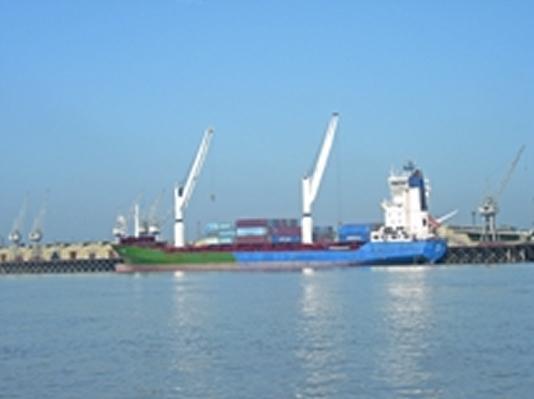
    Bangladesh Set to Seal Foreign Deals for Chittagong Port Operations by October

    Major global firms eye investment as interim government accelerates FDI drive ahead of national polls.

    Bangladesh is on the brink of finalising a wave of high-profile foreign investment deals to operate and develop critical port facilities in Chittagong, aiming to transform the country’s gateway to the Bay of Bengal into a regional maritime hub. With October set as the target, top international port operators are in advanced stages of negotiations with the interim government, which is eager to leave behind a legacy of economic rejuvenation before handing over power in the upcoming national elections.

    The Bangladeshi business news website, Financial Express has reported that the appointment of internationally reputed port contractors will be completed by October through what authorities describe as “transparent deals.” Shipping Adviser Brigadier-General (Retd) M Sakhawat Hussain confirmed this while noting that dedicated teams across ministries have been working intensively to clear bureaucratic hurdles that previously stymied foreign investment.

    The stakes are high. According to the World Investment Report 2025, prepared by the United Nations Conference on Trade and Development (UNCTAD), Bangladesh’s net foreign direct investment (FDI) fell by 13.2 per cent in 2024 to $1.27 billion, down from $1.47 billion in 2023. It marks the fourth straight year of decline in FDI, reinforcing the urgency of reversing the trend.

    In the Global Spotlight

    Among the foreign giants vying for entry are DP World from the UAE, PSA Singapore, and APM Terminals, a unit of Denmark-based A.P. Moller-Maersk. The Chittagong seaport, already the most lucrative FDI zone in the country, has drawn global attention thanks to its strategic location and growing potential.

    “Chittagong seaport has all the potential to become a regional maritime hub within the next three years, provided port operations are made efficient and vibrant,” said a senior official closely involved in the negotiations.

    Efforts to ensure readiness for investment include a long-awaited overhaul of the port’s tariff structure. CPA Secretary Omar Faruk said the tariff revision, cleared by the Ministry of Finance, is now awaiting final vetting by the Ministry of Law. The revised rates, once gazetted, will establish a new benchmark for port service pricing, a key prerequisite for investor confidence.

    Importantly, these tariffs will prevent monopolistic pricing. “Foreign investors won’t be able to set arbitrary charges on CPA-defined services. They may set tariffs only for additional services based on their capital and operational expenditure,” said Faruk.

    Transparency and International Standards

    Shipping Adviser Hussain emphasized that all agreements will be transparent, leaving no room for ambiguity or backdoor dealings. “There will be no ‘hide and seek.’ These are internationally visible contracts with legal and geopolitical bearings,” he said.

    The New Mooring Container Terminal (NCT), now temporarily managed by a Navy-led Dry Dock operation after Saif Powertec’s 15-year contract ended in early July, is serving as a test case. Despite initial concerns, average container handling has risen by 7 per cent per day under the new operator.

    “This success shows that strategic transitions can be made without disruption,” Hussain noted, adding that contracts for the Bay Terminal and Laldia Terminal are also nearing conclusion.

    Major Developments Underway

    The government aims to sign a concession agreement for the Laldia Container Terminal (LCT) by October, enabling construction to start as early as January 2026. APM Terminals has shown keen interest in investing in the Laldia terminal, although additional land acquisition remains under review due to air funnel restrictions.

    Meanwhile, the Bay Terminal project is progressing rapidly. A new project director has been appointed, and senior officials, including Shipping Adviser Hussain and Special Envoy Lutfey Siddiqi, recently held talks with PSA Singapore, which has expressed strong interest. The Asian Development Bank (ADB) is supporting the government through a Transaction Advisory Services Agreement (TASA), which was recently reviewed by senior CPA officials at a meeting in Dhaka.

    BIDA Executive Chairman Ashik Chowdhury highlighted the importance of efficient port operations as a critical prerequisite for attracting investment in other sectors. “All foreign investors first ask about port logistics and turnaround time. It’s a litmus test for overall investment viability,” he said.

    He also assured that deals signed during the interim government’s tenure are unlikely to be scrapped by the next elected government, as they will be bound by international legal frameworks and diplomatic considerations.

    “These agreements are being structured with safeguards to ensure continuity and protection for all parties involved,” Chowdhury noted.

    FDI Prospects and Economic Impact

    If the current pace continues, Bangladesh may see FDI flows worth $600 million to $800 million in LCT and Bay Terminal projects over the next two years, officials said. The influx of foreign capital, technology, and expertise could significantly raise the capacity of Chittagong port.

    According to CPA estimates, the Bay Terminal alone could raise the port’s annual container-handling capacity to 5 million twenty-foot equivalent units (TEUs). In addition, the Matarbari terminal, under construction with Japanese assistance, is also expected to begin operations by late 2026, further easing pressure on Chittagong port.

    To complement these developments, the National Board of Revenue (NBR) has launched initiatives to improve customs procedures and reduce bottlenecks at major entry points. Senior officials are physically inspecting operations at key ports including Mongla, Benapole, and Pangaon.

    Challenges Ahead

    Despite the progress, not all stakeholders are comfortable with the changes. Private sector groups have expressed concern over the impending tariff hike, especially in the context of global trade uncertainties exacerbated by heightened tariffs from major economies like the U.S.

    Still, government officials argue that the current port tariffs — unchanged since 1886 — are unsustainable and must be revised to make port investment financially viable.

    “Without a realistic pricing model, no reputable investor will come on board,” one senior CPA official remarked.

    As Bangladesh positions itself to become a key maritime hub in South Asia, the successful onboarding of global port operators and transparent investment agreements may well reshape the country’s trade and logistics landscape. With the clock ticking toward national elections, the interim government is racing to complete a historic chapter in Bangladesh’s economic story — one defined by connectivity, competitiveness, and long-overdue foreign investment.

    If all goes according to plan, the Chittagong port transformation could become the flagship achievement of the current administration — and a catalyst for a broader wave of industrial and infrastructural growth in the coming decade.

    Image: Banglapedia