More

    Education critical to plug Asia’s health workforce gap

    The Philippines is world’s largest exporter of nurses, accounting for a quarter of all overseas nurses worldwide. Global health worker shortage could exceed 10 million by 2030. In such a situation, training for health workers is urgently needed to meet needs.

    By Sanjeet Bagcchi

    Training for health workers, including those based in communities where access to services is limited, is urgently needed to address the growing gap in the Asia Pacific health workforce, say leaders in the sector.

    The global shortage of health workers could reach more than 10 million by 2030, according to a departmental update by the WHO Western Pacific Region, which stressed the importance of “lifelong learning” of health workers and the sharing of science-based health knowledge.

    Countries in the Pacific are particularly affected by the shortage due to their high population density and greater impacts from climate-related disasters, and as many health workers move abroad to seek better opportunities.

    Saia Ma’u Piukala, WHO regional director for Western Pacific, said countries in the region were working together to improve education and training and achieve a more equitable distribution of health professionals.

    He said there was an urgent need “to work with academic institutions to develop and implement training programmes” to respond to the evolving needs of the health-care sector.

    In countries like the Philippines and Pacific-island states such as Fiji, Micronesia and the Cook Islands the shortage is severely limiting access to quality health care services, aggravated by insufficient educational opportunities for would-be health workers, members of a Philippine-led health collaborative said at an event.

    The Philippines has become the world’s largest exporter of nurses, accounting for 25 per cent of all overseas nurses worldwide.

    More than half the country’s licensed nurses have left the country to work abroad, according to WHO estimates, resulting in a domestic shortage of 127,000 health  . Many are attracted by better pay overseas. In countries such as the US, for instance, Filipino nurses can earn 15 times more than those working in the Philippines.

    Retention strategies

    During the COVID-19 pandemic, the Philippines ordered restrictions on health workers moving abroad, a move that was strongly criticised by health unions in the country.

    Instead, unions suggested measures such as salary increases, prompt provision of benefits, and filling vacant government positions to enhance employment, local working conditions and encourage workers to stay.

    Another strategy that the Philippines has implemented is to incorporate community health workers at the village, or barangay level. The country is engaging large networks of community health workers to provide services to underserved populations, especially in remote areas, according to analysis published this month. It said community health workers were helping with family planning, mental health education, and substance abuse prevention.

    However, while the barangay health workers have become an important part of the country’s health system, they have no fixed salary as they are considered volunteers and are only entitled to a limited government allowance.

    “To be effective they need supervision from qualified health workers, as well as remuneration, strong training, and career development pathways,” said Sara Bennett, professor and vice chair at the international health department of the US-based Johns Hopkins Bloomberg School of Public Health.

    “They are part of the solution, but not the whole solution,” she added.

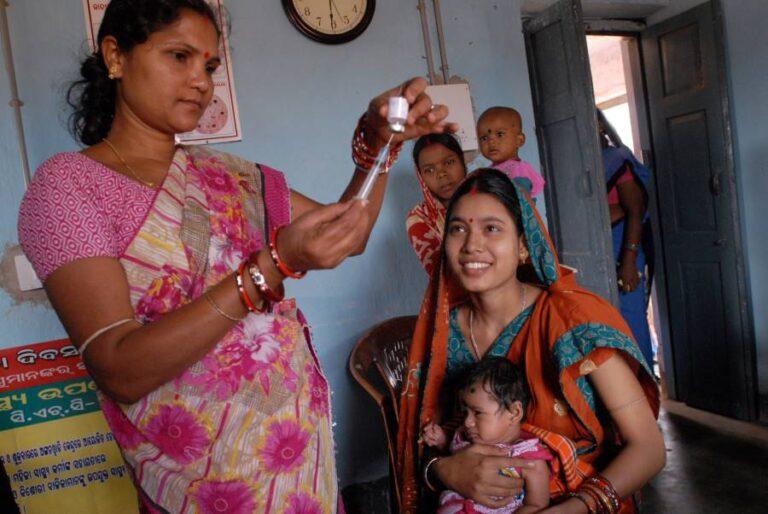
    Image:  Yogendra Singh (CC BY-SA 2.0)

    This piece has been sourced from SciDev.Net

    Does the Number of ICT Users Indicate Digital Adoption?

    Policy discussions often overlook the socio-demographic diversity among people with disabilities and the types of disabilities. Collecting census data to account for the people with disabilities population and its diversity is a crucial first step in formulating effective policies for ICT accessibility.

    Osama Manzar and Dr. Arpita Kanjilal

    This is a critical juncture. Being a digital citizen in the twenty-first century is indispensable for availing e-governance services and basic citizen entitlements. At this point in history it is crucial to evaluate the ‘digital-by-design’ framework vis-a-vis the scale of digital reach, adoption, and impact in the last mile.

    Who constitutes the ‘last mile’ in India? This question is central to assessing the scale of digital transformation and the ensuing social impact. Owing to India’s multifarious diversity, with people hailing from diverse castes, classes, genders and demographies, the last mile constitutes citizens and communities, who are differently positioned in the pyramid of graded social inequalities. This positioning also shapes their status in the digital realm, determining their varied access to connectivity, ICTs, and the digital public infrastructure. 

    Several ongoing multi-stakeholder and multi-sectoral efforts aim to democratise the digital ecosystem for all citizens. However, the statistics call attention to the stark digital divide in the country. While India’s digital economy is skyrocketing, with a projection of a trillion-dollar valuation by 2028, the country struggles to ensure meaningful connectivity, access and adoption that enables the socio-economic empowerment of its citizens. Where are we falling short? To address the same, let us examine one such community in India – Persons with Disabilities (PwDs) – who remain subjected to digital exclusion among other forms of systemic, social, and bureaucratic exclusion.

    A pan-India study by Digital Empowerment Foundation (DEF), Broadband India Forum (BIF) and Center for Development Policy and Practice (CDPP) presents comprehensive findings and recommendations, highlighting two key insights – 1) the potential of ICTs in enabling social, economic and community integration of PwDs to become rightful citizens; 2) the gaps in the current design and deployment of the digital public infrastructure that creates a barrier for PwDs in accessing ICTs. 

    Meaningful Access to the Internet

    Policy discussions often overlook the socio-demographic diversity among PwDs and the types of disabilities. Collecting census data to account for the PwD population and its diversity is a crucial first step in formulating effective policies for ICT accessibility, especially in rural, remote, and underserved regions of India.

    Accordingly, ICTs must integrate tailored assistive technologies and accessibility features to ensure meaningful ICT adoption. India took a significant step to ensure web accessibility by legislating the ICT Accessibility Standard IS 17802. This should be enforced among public and private service providers to ensure meaningful access to the internet. The public and private service providers can be pivotal in ensuring meaningful access by leveraging the innovation ecosystem to design and deploy subsidised and low-cost digital infrastructure that enhance ICT reach, accessibility, and efficacy. Strengthening the local digital ecosystem with remote access enabled to avail the services of the physical digital service centers is imperative to achieve widespread ICT adoption among PwDs. Tailored to specific needs in hyperlocal settings, digital literacy curriculum, skill development and capacity-building initiatives must be facilitated for a comprehensive support for availing education and livelihood opportunities.

    The study with 300+ PwD digital changemakers has demonstrated that enhancing ICT accessibility will empower and enable PwDs to live a life with dignity and respect. This measure, however, will be meaningful when we move away from measuring the impact of digital inclusion, often based on a binary divide between the haves and have-nots, whereby the number of ICT users is seen as a milestone for digital adoption. This approach has proven insufficient, especially in addressing the widening digital divide in the country. We must, therefore, envision a digital-by-design framework that is built on a citizen-centric, rather than a consumer-centric model; a model that addresses contextual, evidence-based, and specific digital needs of diverse communities in India. The term ‘meaningful’ is crucial here for bridging the graded digital inequalities and building digital equity for all.

    Osama Manzar is the Founder-Director of the Digital Empowerment Foundation

    Dr. Arpita Kanjilal heads the Research and Advocacy Division at the Digital Empowerment Foundation

    Image: Digital Empowerment Foundation

    2024 – The Hottest Year Ever Recorded

    According to Oxford Net Zero, a platform of researchers hosted by the University of Oxford, in order to have a reasonable chance of bringing global temperatures back to 1.5 C, fossil fuel emissions must fall by 43 per cent.

    By Oritro Karim

    The World Meteorological Organisation (WMO) warns that 2024 is on track to be the hottest year in recorded history, surpassing 2023. This can be attributed to heightened reliance on fossil fuels and the reluctance of industries worldwide to pivot to green energy practices. The rapid acceleration of global temperatures has alarmed scientists, with many expressing concern over the environmental, economic, and social implications of the worsening climate crisis.

    In light of this fact, ahead of the United Nations Climate Change Conference (COP29) in Baku, Azerbaijan, UN Secretary-General António Guterres remarked: “Humanity’s torching the planet and paying the price.”

    In addition to being the hottest year, 2024 is also the first year in recorded history to have an average temperature of over 1.5C above pre-industrial levels. According to data from the European Union’s (EU) Copernicus Climate Change Service (C3S), the average temperature for 2024 is expected to be 1.60 C, marking a significant jump from last year’s average of 1.48 C.

    The Paris Agreement is an international treaty that has been signed by 196 countries at the UN. The objective of this agreement is to reduce carbon emissions by 43 per cent by 2030 and mitigate the climate crisis. Samantha Burgess, the deputy-director of C3S) confirmed that the rising temperatures do not make the Paris Agreement implausible but rather, makes the climate crisis much more urgent of an issue.

    According to Oxford Net Zero, a platform of researchers hosted by the University of Oxford, in order to have a reasonable chance of bringing global temperatures back to 1.5 C, fossil fuel emissions must fall by 43 per cent. Major corporations and governments around the world have announced plans to reduce carbon emissions to achieve these goals.

    Fossil Fuel Consumption Habits

    Although industries around the world have slowly begun to adopt healthier fossil fuel consumption habits and alternative sources of energy, global consumption of coal has nearly doubled in the past three decades. On December 18, the International Energy Agency (IEA) published a comprehensive report titled Coal 2024, that analysed global consumption of coal in the 2020s and provided a forecast of coal use for the next three years.

    The report states that in 2023, the global coal demand reached a record 8,687 metric tons, marking a 2.5 per cent year-over-year increase. The global demand for coal is expected to have grown by 1 per cent in 2024. The increased demand for coal can be attributed to the relatively low supply of hydropower.

    China is ranked as the world’s biggest consumer of coal, accounting for up to 56 per cent of 2023’s global coal consumption, equivalent to 4,833 metric tons of coal. It is estimated that in 2024, Chinese coal consumption has increased by 1.1 per cent, or an additional 56 metric tons.

    Approximately 63 per cent of China’s coal consumption is used to fuel the nation’s power sector. Despite a measured global increase in renewable energy use, China’s generation of electricity has declined in recent years.

    According to the IEA, fixing the world’s over-reliance on coal consumption begins with China. “Weather factors – particularly in China, the world’s largest coal consumer – will have a major impact on short-term trends for coal demand. The speed at which electricity demand grows will also be very important over the medium term,” said IEA Director of Energy Markets and Security Keisuke Sadamori.

    Climate-Driven Natural Disasters

    Scientists and economists have predicted that the acceleration of the climate crisis will have severe environmental and economic impacts going forward. According to the Potsdam Institute for Climate Impact Research, increased temperatures could cost the global economy approximately 38 trillion dollars in damages. Maximilian Kotz, a researcher at the institute, states that much of these losses can be attributed to decreased agricultural yields and labour productivity, as well as damage to climate-sensitive infrastructures.

    2024 has seen a host of climate-driven natural disasters that have devastated communities. Extreme weather, such as cyclones, monsoons, wildfires, heatwaves, hurricanes, and rising sea levels, continue to endanger the lives of millions of people. According to estimates from the UN, approximately 305 million people around the world will be in dire need of humanitarian assistance for support due to worsening natural disasters.

    Other environmental impacts of climate change include deforestation, biodiversity loss, ocean acidification, water cycle disruptions, and impacts on agricultural outputs, all of which have disastrous consequences for life on Earth. If global temperatures and carbon emissions are not reduced by 2030, these consequences could significantly increase in severity.

    Widespread Species Loss

    Scientists have warned that it is critical for global temperatures to not exceed 2 C. The world would experience widespread species loss, including several species critical for the sustenance of human life, including fish and many species of plants. Alice C. Hill, a Council of Foreign Relations (CFR) senior fellow for energy and the environment, stated, “We’re headed toward disaster if we can’t get our warming in check and we need to do this very quickly.”

    Another climate researcher at Potsdam, Anders Levermann, predicts that economic and environmental impacts will be far more severe for developing countries than for major commercial powerhouses such as the United States and China. “We find damages almost everywhere, but countries in the tropics will suffer the most because they are already warmer,” said Levermann.

    Furthermore, the countries that are the least responsible for climate change (developing nations) are expected to suffer the greatest economic and environmental impacts as they have the fewest resources “to adapt to its impacts.”

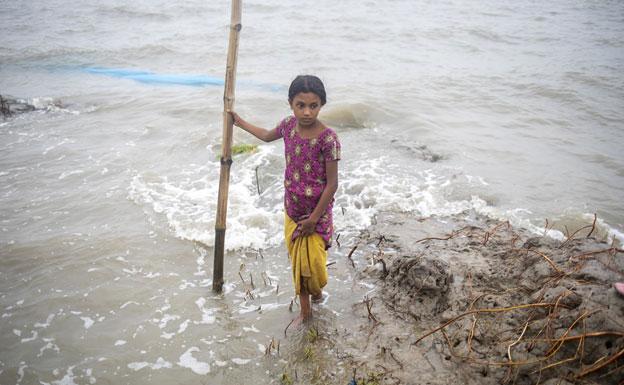
    Photo Credit: UNICEF/Farhana Satu

    This piece has been sourced from Inter Press Service.

    Bangladesh Urges India to Extradite Former Prime Minister Sheikh Hasina

    The extradition request places India in a delicate position as it navigates its relationship with Bangladesh amid growing political instability in Dhaka.

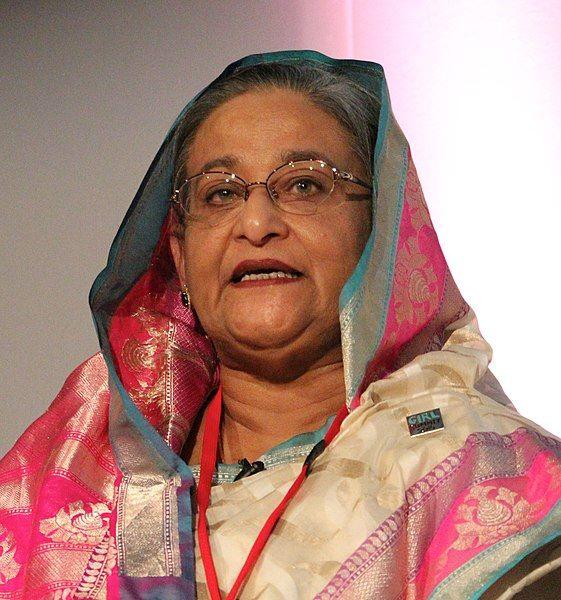
    The interim government of Bangladesh has officially requested India to extradite former Prime Minister Sheikh Hasina, who has been living in India since fleeing Bangladesh on August 5. The move marks a significant development in the political and diplomatic dynamics between the two neighbouring countries.

    Touhid Hossain, the foreign affairs adviser to the interim government, confirmed on Monday that a diplomatic note, or note verbale, had been sent to the Indian government. “We have sent a note verbale to the Indian government to send the former prime minister back to Bangladesh in this regard,” Hossain said during a press briefing. He added that Hasina’s presence is required for a judicial trial in Dhaka.

    The request follows weeks of escalating tensions since massive protests ousted Sheikh Hasina’s 16-year regime. The Dhaka-based International Crimes Tribunal (ICT) has issued arrest warrants against Hasina, her ministers, advisors, and former military and civil officials, accusing them of “crimes against humanity and genocide.”

    Existing Extradition Treaty

    Lieutenant General (Retd.) Jahangir Alam Chowdhury, the home affairs adviser, emphasized that an existing extradition treaty between Bangladesh and India could facilitate the process. Speaking to reporters during an event marking Border Guard Bangladesh (BGB) Day in Dhaka, Alam stated, “We have sent a letter to the foreign ministry regarding her extradition. The process is currently underway.”

    He reiterated that the treaty provided a legal framework for Hasina’s return. “The former prime minister, who fled to India, could be brought back to Bangladesh under the treaty,” he said.

    Misri’s Visit

    The diplomatic communication comes just weeks after Indian Foreign Secretary Vikram Misri visited Bangladesh. During his visit, Misri met with Muhammad Yunus, Nobel laureate and chief advisor of the interim government. They discussed bilateral relations and the status of Sheikh Hasina, among other pressing issues. Misri described the talks as “frank, candid, and constructive,” and highlighted concerns over attacks on minorities in Bangladesh.

    A statement from the Chief Advisor’s office noted that Hasina’s stay in India was a topic of concern. “Our people are concerned because she is making many statements from there. It creates tensions,” Yunus reportedly said.

    Hasina’s Counterclaims

    From her place of exile, Sheikh Hasina has criticised the interim government, accusing it of authoritarianism. In a virtual address to Awami League supporters in London, she alleged that Muhammad Yunus orchestrated the political turmoil that led to her ousting.

    “Bangladesh is now under the grip of a fascist regime where people’s democratic rights have been obliterated,” Hasina said. She also condemned the rising attacks on minorities, including Hindus, Christians, and Buddhists. “The Jamaat and terrorists are having a free run under the new regime,” she claimed.

    Hasina further accused the interim government of undoing her administration’s achievements in poverty alleviation, infrastructure development, and democracy strengthening. “Our government’s achievements are being undone under Yunus’s leadership,” she asserted.

    The extradition request places India in a delicate position as it navigates its relationship with Bangladesh amid growing political instability in Dhaka.

    Commission Finds India’s Involvement in Bangladesh’s Enforced Disappearances

    While the commission’s report sheds light on a dark chapter of Bangladesh-India relations, it also underscores the need for systemic reforms. Greater transparency and cooperation between the nations could pave the way for resolving these cases and preventing future violations.

    The Commission of Inquiry on Enforced Disappearances has revealed disturbing findings of India’s involvement in cases of enforced disappearances in Bangladesh. In its comprehensive report titled Unfolding The Truth, the five-member commission, led by retired Justice Mainul Islam Chowdhury, detailed evidence of intelligence cooperation and captive exchanges between the two nations.

    The report, handed over to Chief Adviser Muhammad Yunus has taken much space and airtime in the Bangladesh media and has devoted considerable space to India bashing that is becoming increasingly common in Bangladesh.

    “Indian involvement in Bangladesh’s system of enforced disappearances is a matter of public record,” the report stated. It highlighted instances of detainees being exchanged across borders and delved into the fates of individuals who vanished under suspicious circumstances.

    Persistent Concerns of Detention in India

    The commission’s findings pointed to a persistent belief within Bangladeshi law enforcement that some prisoners remain in Indian jails. “We recommend the ministries of foreign and home affairs extend their best efforts to identify any Bangladeshi citizens who may still remain incarcerated in India,” the report urged, adding that the commission’s jurisdiction did not extend beyond Bangladesh’s borders.

    The report speaks of the case of Sukhranngan Bali, who, the report saysm was abducted from the premises of Bangladesh’s Supreme Court and later found in an Indian jail.

    High-Profile Cases Highlight Patterns

    BNP Leader Salahuddin Ahmed: Ahmed’s case is a second high profile case that sheds light on the alleged rendition system. Detained in Uttara, Dhaka, in 2015, he was held in a spartan cell with minimal facilities, the report noted. Ahmed identified the letters “TFI” on a blanket provided to him, signifying the “Task Force for Interrogation.” The only known TFI center at the time was operated by the RAB Intelligence Wing at their headquarters in Uttara.

    The commission’s visit to the TFI center revealed its interior had been severely damaged, although they were able to confirm the layout of infamous torture chambers and cells through witness testimony. Soldiers who had visited the facility in the early 2010s described additional floors with cells that are no longer accessible. The commission suspects that Salahuddin Ahmed was held in one of these now-destroyed cells before being transported to the India-Bangladesh border and formally handed over to Indian officials.

    Coordinated Captive Exchanges

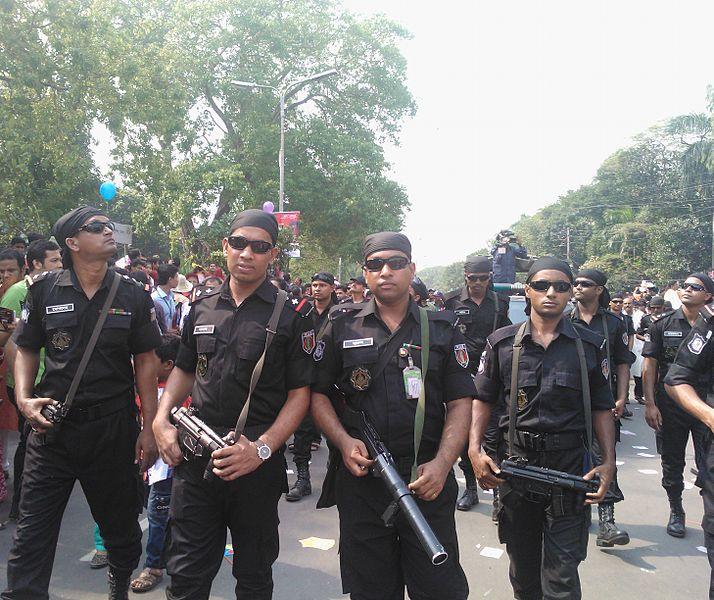
    The report detailed evidence of coordinated exchanges of detainees between Bangladesh’s Rapid Action Battalion (RAB) Intelligence Wing and India’s Border Security Force (BSF). One soldier recounted witnessing two such exchanges around 2011 at the Tamabil border crossing. On one occasion, three captives were received from India. Two were subsequently executed near the road, while the third was handed over to another team within Bangladesh.

    In return, RAB Intelligence handed over two Bangladeshi captives to Indian authorities. The soldier’s account underscores the level of cooperation between the two nations’ security services in these operations.

    Testimonies of Coercion and Torture

    Further testimony added chilling details to the report. Hummam Quader Chowdhury, another victim, described hearing Hindi-speaking individuals outside his cell discussing his interrogation. Their queries included details about the timing of his abduction and the nature of information extracted from him. Such accounts suggest the involvement of Indian personnel or agents in the captivity and interrogation of Bangladeshi detainees.

    Destroyed Evidence and Implications

    The destruction of facilities such as the TFI center’s interior highlights the challenge of gathering comprehensive evidence. However, the commission’s meticulous documentation of witness accounts and corroborative evidence provides a strong basis for its findings.

    “The systemic and transnational nature of enforced disappearances involving both nations’ official security services is deeply troubling,” the commission concluded. It called for further analysis to understand the full extent of Indian authorities’ involvement and its implications for bilateral relations.

    The report recommends intensified efforts by the Bangladeshi government to identify citizens who might still be imprisoned in India. It also emphasized the need for diplomatic channels to address these issues transparently.

    For families of the disappeared, the findings offer a grim glimpse into the fates of their loved ones but also renew hope for accountability. Human rights advocates have called for international oversight to ensure justice and prevent such practices in the future.

    While the commission’s report sheds light on a dark chapter of Bangladesh-India relations, it also underscores the need for systemic reforms. Greater transparency and cooperation between the nations could pave the way for resolving these cases and preventing future violations. For now, the report serves as a crucial step in documenting the truth and advocating for justice for the victims of enforced disappearances.

    In the Lok Sabha: Government Strengthens Programme to Combat Non-Communicable Diseases in Deprived Areas

    These facilities are designed to ensure that even the most deprived areas have access to quality healthcare services. The focus is not only on treatment but also on preventive measures, including lifestyle modifications and early intervention.

    The Government of India has significantly bolstered its efforts to combat non-communicable diseases (NCDs) in deprived areas through the National Programme for Prevention and Control of Non-Communicable Diseases (NP-NCD). As part of this initiative, the government has established a robust healthcare infrastructure that includes 770 District NCD Clinics, 372 District Day Care Centres, 233 Cardiac Care Units, and 6,410 Community Health Centre NCD Clinics nationwide.

    This information was shared by the Union Minister of State for Health and Family Welfare, Prataprao Jadhav, in a written reply to the Lok Sabha on Friday.

    Comprehensive Screening and Prevention Initiatives

    A key component of the NP-NCD is a population-based initiative for the screening, management, and prevention of common NCDs, including diabetes, hypertension, oral cancer, breast cancer, and cervical cancer. This initiative is integrated into the comprehensive Primary Health Care system under the National Health Mission (NHM). Early diagnosis and regular screenings are integral to the programme, enabling timely interventions and improving health outcomes.

    The government provides technical and financial support to States and Union Territories under the NHM to ensure effective implementation of the programme. This support includes enhancing infrastructure, developing human resources, promoting early diagnosis, ensuring referrals to appropriate healthcare facilities, and generating awareness about NCDs.

    Community-Centric Awareness Campaigns

    Awareness and education campaigns are central to the NP-NCD. The government observes health days dedicated to NCDs and leverages social media platforms for sustained community engagement. States and Union Territories receive financial assistance under the NHM for conducting awareness activities as outlined in their Programme Implementation Plans (PIPs).

    Accredited Social Health Activists (ASHAs) play a pivotal role in these community-level initiatives. ASHAs conduct home visits, organize group meetings, and participate in health campaigns to educate individuals and families about the importance of healthy lifestyles. They emphasize nutritious diets, regular physical activity, and the avoidance of tobacco and alcohol. Additionally, they underscore the significance of early detection through routine health check-ups and screenings, facilitating timely treatment and management.

    Strengthening Infrastructure and Resources

    The government’s efforts to combat NCDs are supported by the establishment of specialised facilities across the country. The District NCD Clinics and Community Health Centre NCD Clinics provide accessible healthcare services, while Cardiac Care Units cater to individuals with cardiovascular conditions. District Day Care Centres offer a range of outpatient services for the management of chronic diseases.

    These facilities are designed to ensure that even the most deprived areas have access to quality healthcare services. The focus is not only on treatment but also on preventive measures, including lifestyle modifications and early intervention.

    A Holistic Approach

    By combining infrastructure development, community engagement, and public awareness campaigns, the NP-NCD aims to reduce the burden of non-communicable diseases in India. The programme’s emphasis on prevention, early detection, and management reflects the government’s commitment to improving health outcomes and reducing disparities in healthcare access.

    Through these initiatives, the government seeks to foster a healthier population and mitigate the long-term economic and social impacts of NCDs. The NP-NCD continues to evolve as a cornerstone of India’s public health strategy, addressing the pressing challenge of non-communicable diseases in the country.

    ADB, World Bank Approve $1.1 Billion Budget Support for Bangladesh

    Beyond the budget support, the World Bank has approved $379 million for the health and nutrition sector and $280 million for the development of the water supply system in Chattogram.

    In a significant boost to Bangladesh’s economic reform and development agenda, the Asian Development Bank (ADB) and the World Bank (WB) have collectively approved $1.1 billion in budget support. This funding is aimed at accelerating ongoing reforms and addressing development challenges faced by the interim government.

    Of the total budget support, the ADB approved $600 million under the ‘Strengthening Economic Management and Governance Programme, Subprogramme 1.’ A loan agreement for this amount was signed on December 18, 2024, between the Bangladesh government and the ADB. Initiated by the Finance Division, this program is designed to enhance economic management and governance.

    The World Bank contributed $500 million under the ‘Second Bangladesh Green and Climate Resilient Development Credit’ program. The financing agreement was finalized on December 19, 2024, between the Bangladesh government and the International Development Association (IDA), the concessional lending arm of the World Bank. The program aims to implement reforms promoting green and climate-resilient development, as well as strengthening fiscal and financial policies to sustain economic growth and resilience to future shocks, including those caused by climate change.

    Breakdown of Loan Agreements

    ADB Loan: The $600 million ADB loan, part of the ‘Strengthening Economic Management and Governance Programme,’ will support initiatives to improve fiscal discipline, governance, and economic efficiency. The funding will be available by December 2024, as reported by the Ministry of Finance. This initiative is part of the government’s broader strategy to foster sustainable economic growth.

    World Bank Loan: The $500 million World Bank funding comprises two components. Half of the amount, $250 million, is an IDA-Regular loan repayable over 30 years with a 5-year grace period. This component carries an interest rate of 1.25 percent, a commitment fee of 0.50 percent, and a service charge of 0.25 percent. The remaining $250 million comes from the IDA-Shorter Maturity Loan (SUW-SML) program, repayable over 12 years with a 6-year grace period. This loan is free of interest, service, or other charges, with a commitment fee of 0.50 percent that is usually waived by the World Bank.

    Md Shahriar Kader Siddiky, Secretary of the Economic Relations Division, and Abdoulaye Seck, Country Director of the World Bank, signed the agreement on behalf of their respective organizations. The program involves multiple implementing agencies, including the Local Government Division, Bangladesh Bank, and ministries responsible for planning, climate change, energy, and health.

    Additional Support

    Beyond the budget support, the World Bank has approved $379 million for the health and nutrition sector and $280 million for the development of the water supply system in Chattogram. These investments highlight the World Bank’s commitment to strengthening essential infrastructure and public services in Bangladesh.

    Development Partner Contributions

    The World Bank has been a critical development partner for Bangladesh since the country’s independence, committing over $43 billion. Currently, the World Bank finances 52 ongoing projects worth $17 billion, covering diverse sectors such as infrastructure, health, education, power, and the environment. This extensive collaboration underscores the institution’s role in supporting Bangladesh’s development aspirations.

    Strategic Importance

    The budget support from the ADB and World Bank arrives at a crucial time as Bangladesh navigates economic challenges and aims to bolster its resilience against future uncertainties.

    The funding will enable the government to advance key reform initiatives, enhance climate resilience, and sustain robust economic growth. This $1.1 billion in budget support, coupled with additional sectoral funding, represents a major step forward in achieving Bangladesh’s long-term development goals. It reinforces the commitment of international development partners to support the nation’s journey towards sustainable and inclusive growth.

    In the Rajya Sabha: India Advances Biodiversity and Wildlife Conservation Efforts

    Union Minister of State for Environment, Forest and Climate Change, Kirti Vardhan Singh, highlighted that the updated plan provides a comprehensive overview of India’s biodiversity, current trends, policy frameworks, and financial solutions for conservation efforts.

    In a significant step towards biodiversity conservation and sustainable development, India has updated its National Biodiversity Strategy and Action Plan (NBSAP). Submitted on October 31, 2024, during the 16th Conference of Parties (COP-16) to the Convention on Biological Diversity (CBD) in Cali, Colombia, the revised plan aligns with the Kunming-Montreal Global Biodiversity Framework (KMGBF).

    The updated NBSAP addresses critical areas such as species conservation, sustainable utilisation of wild species, ecosystem restoration, and biodiversity threat mitigation. With a focus on terrestrial and marine protection, pollution control, and invasive species management, the plan aims to achieve the four goals and 23 targets of the KMGBF, tailored to India’s national circumstances and priorities.

    Key priorities of the NBSAP include enhancing ecosystem services, improving access to green spaces in urban areas, and developing wildlife corridors to combat habitat fragmentation. Recognizing the importance of community participation, the strategy emphasizes inclusive governance, engaging women, youth, and marginalized communities to ensure equitable and sustainable outcomes. A Whole-of-Government and Whole-of-Society approach guided the plan’s formulation, involving consultations with 23 central ministries, state organizations, and local stakeholders.

    Union Minister of State for Environment, Forest and Climate Change, Kirti Vardhan Singh, highlighted that the updated plan provides a comprehensive overview of India’s biodiversity, current trends, policy frameworks, and financial solutions for conservation efforts. It identifies gaps and sets actionable targets to ensure the sustainable use and equitable sharing of benefits derived from biodiversity.

    Integrated Development of Wildlife Habitats

    India’s commitment to wildlife conservation is further underscored by financial assistance provided under the Centrally Sponsored Umbrella Scheme ‘Integrated Development of Wildlife Habitats’. This scheme encompasses the development of wildlife habitats and flagship initiatives like ‘Project Tiger’ and ‘Project Elephant’, aimed at habitat conservation and mitigating human-wildlife conflicts.

    During the current financial year, significant funds have been disbursed to states and Union Territories (UTs). Kerala emerged as one of the key beneficiaries, receiving ₹909.64 lakh under the ‘Development of Wildlife Habitats’ component and ₹221.37 lakh under ‘Project Tiger and Elephant’. Other major allocations include:

    • Development of Wildlife Habitats: Assam (₹1234.46 lakh), Nagaland (₹1044.06 lakh), and Karnataka (₹800.82 lakh).
    • Project Tiger and Elephant: Madhya Pradesh (₹2213.97 lakh), Maharashtra (₹1726.12 lakh), and Assam (₹2043.60 lakh).

    The cumulative funds disbursed under these initiatives amount to ₹10,455.46 lakh for wildlife habitats and ₹14,757.48 lakh for tiger and elephant conservation projects.

    Kirti Vardhan Singh noted that these funds support critical conservation activities, including habitat restoration, anti-poaching measures, and conflict resolution. He reiterated the government’s commitment to preserving India’s rich biodiversity and wildlife heritage through strategic investments and community-driven approaches.

    The minister said that India’s proactive measures in biodiversity conservation and wildlife management reflect its dedication to sustainable development and global environmental goals. As the country advances its strategies through robust frameworks and financial support, the collaborative efforts of government bodies, local communities, and stakeholders will be instrumental in achieving long-term ecological balance and resilience.

    In the Rajya Sabha: New Rules Bolster E-Waste Recycling and Dust Pollution Control Efforts

    By promoting recycling and resource efficiency, the revised rules aim to conserve natural resources, reduce greenhouse gas emissions, and contribute to a circular economy. Dust pollution from construction and demolition activities remains a significant contributor to air pollution in Delhi-NCR.

    In an ambitious move towards environmental sustainability, India has introduced robust measures to tackle the challenges posed by e-waste and dust pollution. The Union Minister of State for Environment, Forest, and Climate Change, Kirti Vardhan Singh, shared details of these initiatives in the Rajya Sabha on Thursday.

    The minister said that the government’s dual focus on e-waste recycling and dust pollution control reflects its commitment to sustainable development and environmental protection. He said that while significant progress has been made, continued public cooperation and stringent enforcement will be critical in achieving these ambitious goals.

    Revised E-Waste (Management) Rules, 2022

    To address the burgeoning problem of electronic waste, the Ministry revised the E-Waste (Management) Rules, 2016, and notified the E-Waste (Management) Rules, 2022, which have been in force since April 1, 2023. These rules aim to safeguard public health and the environment from the adverse effects of e-waste.

    Key Features of the Revised Rules

    1. Extended Producer Responsibility (EPR):
      1. Manufacturers, producers, refurbishers, and recyclers are mandated to register on a portal developed by the Central Pollution Control Board (CPCB).
      1. Producers must meet EPR targets outlined in Schedules III and IV through the portal and submit quarterly and annual returns.
    2. Formalizing the Sector:
      1. Informal e-waste handlers are being integrated into the formal system.
      1. Provisions for environmental compensation and stakeholder audits have been introduced.
    3. Circular Economy:
      1. The rules emphasize recycling, refurbishing, and resource conservation, aligning with the Swachh Bharat Abhiyan’s objectives of sustainability and waste reduction.
    4. Local Bodies’ Role:
      1. Urban and rural bodies are tasked with segregating and channelizing e-waste, especially orphan products, to registered recyclers.
      1. They must set up e-waste collection and disposal systems and conduct training sessions.
    5. Public Awareness:
      1. Awareness campaigns through media, publications, and advertisements aim to educate the public about proper e-waste management.

    Action Plan Implementation

    The E-Waste (Management) Rules, 2022, are being enforced through a comprehensive action plan involving State Pollution Control Boards (SPCBs) and Pollution Control Committees (PCCs). Key aspects include:

    • Mass Awareness: Information, education, and communication plans are being framed by state governments.
    • Monitoring Informal Traders: Drives to identify unregistered e-waste handlers are being conducted.
    • Stakeholder Integration: Enhanced transparency and auditing through the EPR portal.

    Impact and Future Goals

    By promoting recycling and resource efficiency, the revised rules aim to conserve natural resources, reduce greenhouse gas emissions, and contribute to a circular economy. Efforts are underway to expand the recycling infrastructure and strengthen local capacities for e-waste management.

    Dust Pollution Control in Construction and Demolition Activities

    Dust pollution from construction and demolition activities remains a significant contributor to air pollution in Delhi-NCR. To combat this, the government has implemented stringent regulations and guidelines.

    Regulatory Framework

    1. Construction and Demolition Waste Management Rules, 2016:
      1. Provides guidelines for managing C&D waste effectively.
    2. Environment (Protection) Amendment Rules, 2018:
      1. Mandates dust mitigation measures for all construction and demolition projects requiring environmental clearance.
    3. CPCB Guidelines:
      1. Detailed protocols for handling C&D materials and deploying anti-smog guns for large projects.
    4. CAQM Statutory Directions:
      1. Specifies measures like video fencing, dust screens, and the use of dust suppressants at project sites.
      1. Mandates air quality monitoring and self-audits by project proponents.

    Inspection and Enforcement

    From January to September 2024, authorities conducted extensive inspections:

    • Large Sites (Plot Area ≥ 500 sqm):
      • Delhi inspected 3,829 sites, levying environmental compensation on 103 and ordering 69 closures.
      • Uttar Pradesh inspected 865 sites, imposing fines on 99 and halting work at 39 locations.
    • Smaller Sites (Plot Area < 500 sqm):
      • Across Delhi-NCR, over 21,000 inspections were conducted, resulting in fines and partial closures.

    Technology-Driven Monitoring

    The Commission for Air Quality Management (CAQM) has introduced an online monitoring mechanism to ensure compliance. Salient features include:

    • Mandatory registration of projects on SPCB/DPCC web portals.
    • Standardized checklists for dust mitigation measures.
    • Video fencing and low-cost air quality sensors for remote monitoring.
    • Periodic inspections by SPCBs and DPCC.

    Task Forces and Squads

    CAQM’s Flying Squads conduct surprise inspections, identifying violations and recommending penalties. An Enforcement Task Force reviews these reports and ensures timely action.

    Penalties Imposed

    • From January 2024, environmental compensation totaling over Rs. 23.88 crore has been levied against non-compliant projects in Delhi.
    • Major violators, including NBCC (India) Ltd. and PWD, GNCTD, have faced hefty fines and work stoppages.

    Pakistan’s Food Exports Rise by 19.58 Per Cent; Imports Drop by 11.13 Per Cent in Five Months

    The positive growth in food exports, coupled with a reduction in imports, highlights Pakistan’s progress in leveraging its agricultural and food production capabilities to bolster trade balance and reduce dependency on food imports.

    Food group exports from Pakistan witnessed significant growth of 19.58 per cent during the first five months of the current financial year, reaching $3.155 billion compared to $2.638 billion in the same period last year, according to the Pakistan Bureau of Statistics.

    The increase was largely driven by a 35.40 per cent surge in rice exports, which reached 2.377 million tons valued at $1.515 billion. This marks a sharp rise compared to the 244,664 metric tons worth $286.778 million exported in the corresponding period of the previous year.

    Exports of fish and fish preparations also showed slight growth of 0.21 per cent, with 75,314 metric tons worth $162.334 million exported, compared to 72,600 metric tons valued at $162 million last year.

    The fruit sector recorded a 3.47 per cent increase, earning $132.577 million from the export of 220,705 metric tons. Vegetable exports saw an even higher growth rate of 24.88 per cent, bringing in $110.221 million from 338,173 metric tons.

    Declining Imports

    Other commodities demonstrating robust growth included tobacco, which surged by an impressive 348.48 per cent to $75.116 million for 20,771 metric tons, and sugar, which skyrocketed by 833.68 per cent, earning $196.717 million from 353,550 metric tons. Meat and meat products also posted a modest 2.80 per cent increase, with 47,503 metric tons valued at $201.586 million exported during the period.

    Conversely, food group imports into Pakistan declined by 11.13 per cent, amounting to $2.977 billion compared to $3.350 billion in the same period last year.

    The positive growth in food exports, coupled with a reduction in imports, highlights Pakistan’s progress in leveraging its agricultural and food production capabilities to bolster trade balance and reduce dependency on food imports.

    The latest figures underscore the potential of Pakistan’s food sector as a driver of economic growth, with significant contributions from rice, sugar, tobacco, and meat exports.