More

    Oxfam Kit A Sole Acknowledgement of An ASHA’s Work During COVID-19 Pandemic

    The nature of Vinita’s job took a drastic turn as she went door-to-door while people stayed indoors — some fearing a police crackdown; others fearing the virus.

    “They came in buses, two-wheelers, bicycles. Some came walking. It was an ocean of people,” she recalled, speaking of the virus’ gradual spread.

    By Danish Raza

    Vinita Devi was in the middle of the second wave of COVID-19. She had no time to think for herself. It was challenging and it called for selflessness. Fear stalked the village lanes as news poured in of people dying.

    All she could do for herself and her family was to take all precautions – wear a mask, sanitise her hands, keep a physical distance. She knew it was an infectious virus and she could only continue to serve the people of her neighbourhood if she herself was safe.

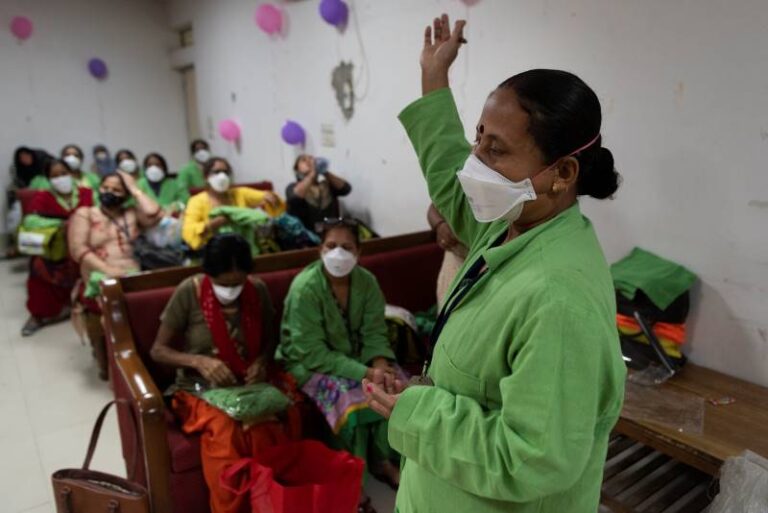
    Vinita Devi belongs to the seven lakh strong force of ASHA (Accredited Social Health Activists) workers in the country. While the Coronavirus was raging wild, she was out surveying her neighbourhood.

    Any migrants in here?

    ASHA workers belong to the community they serve, providing the vital last-mile connectivity to the government’s healthcare schemes and are instrumental particularly in far-flung areas because of their strong bonds with the community.

    Before the pandemic, Vinita’s focus was childhood immunisation coverage, encouraging pregnant women to opt for safer in-hospital births, and other campaigns targeting women and children. When the pandemic struck, she was supposed to work with everyone in her district in Patna.

    Initially, Vinita said, everything seemed normal because the first wave had subsided. But she witnessed herds of people returning to their towns and villages around Patna as soon as urban centres such as Delhi and Mumbai announced a lockdown.

    “They came in buses, two-wheelers, bicycles. Some came walking. It was an ocean of people,” she recalled. With this, the virus gradually started spreading across the state, including its rural pockets. Five Bihar districts with a large rural population recorded more than 4,000 active cases in April 2021.

    For Vinita, it would mean the nature of her job was to take a drastic turn. She went door-to-door sporting the ASHA worker’s dress-code: a pink saree, ID card and face mask. While people stayed indoors — some fearing a police crackdown; others fearing the virus.

    “I knew it was risky but someone had to do it. Who will work to combat the pandemic if all of us decide to stay home?”
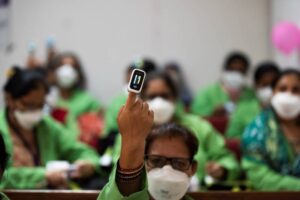
    Oxfam India supports ASHA workers in Bihar Odisha Chhattisgarh with kits during COVID-19 pandemic

    Support from Oxfam

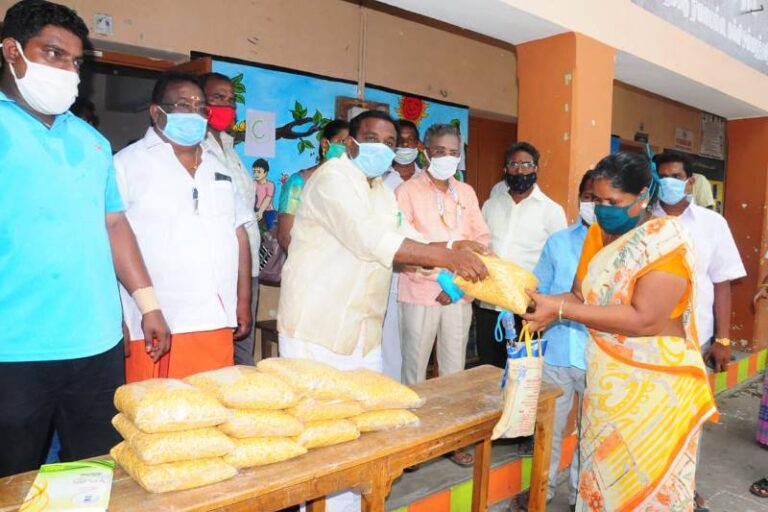
    To help them with this new task, Oxfam India distributed more than 10, 000 kits to frontline workers in Odisha, Chhattisgarh and Bihar and also trained them to use the kits. This was the first time Oxfam was working with ASHA workers. It was necessary because government capacities were stretched and humanitarians like Oxfam had to step in to serve vulnerable people in some of the farthest corners of the country.

    “It was a mammoth task in terms of scale,” said Chandan, program officer, Oxfam India. “We identified districts with maximum number of cases and the ones where we had an in-depth network. There is one ASHA facilitator over every 20 ASHA workers. We worked with them,” he added.

    While it sounds a simple exercise, Oxfam India teams had to overcome various challenges. Some of these were systemic. “At the beginning we were told that the government planned to do something similar so we could not duplicate their efforts. When we got the permission and hit the ground, the block community mobilisers (state government) were pressed for time. They were busy with meetings, surveys and campaigns and found it difficult to meet our staff,” said Chandan.

    On multiple occasion, Chandan said, ASHA workers were not available for scheduled sessions because they were overburdened.

    Vinita said that receiving the kit was the only acknowledgment that she has got so far for her job. “It is a good feeling when someone is able to see your hard work,” she said. She is yet to receive any compensation from the government for the hours she put during the pandemic.

    In August 2020, ASHAs staged a two-day strike demanding better pay, better PPE, and minimum wages.
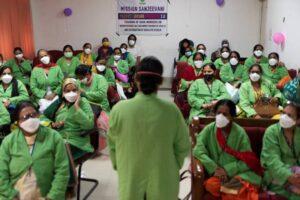
    Oxfam supports ASHA workers in Odisha Bihar and Chhattisgarh with kits during COVID-19 pandemic

    “We are ASHA workers”

    At least 44 ASHA workers had died due to the coronavirus by January 2022.

    She was not deterred when people in the community were suddenly unwelcoming. “They answered my questions shouting from their terraces and spoke to me through their windows. But that’s okay as long as they gave me correct information,” she said.

    The information pertained to returning migrants, including daily wage labourers and students who reported COVID-19 symptoms.

    At the same time, she had to field queries related to symptoms, vaccinations and bust myths around the virus. “I used to tell them more or less everything we heard on radio and TV – such as drinking lots of water and the need to stay quarantined if people showed symptoms,” she said.

    Despite the challenges and lack of encouragement, Vinita says, she would repeat the exercise full-throttle if the virus strikes again. “This is not optional for us. We are ASHA workers,” she said.


    Danish Raza is an independent journalist based in New Delhi. He writes on inequality, current affairs and digital culture. He tweets @razadanish.
    Emergency Declared in Italy to Manage Drought

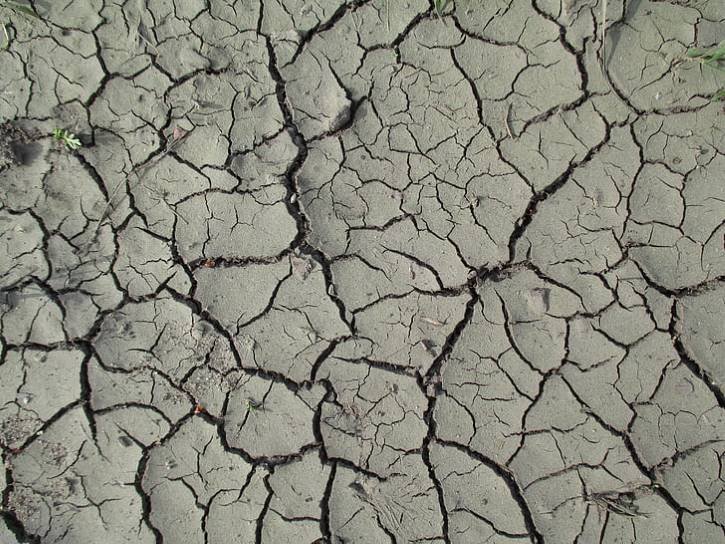
    Smarting under the effects of an unusually early heatwave and deficient rainfall, both ascribed to climate change, the government of Italy has declared a climate emergency for five of the country’s northern regions reeling under a severe drought.

    A state of emergency has been imposed in five of Italy’s northern regions as the worst drought in seven decades has led to acute water shortages due to an unusually early heatwave and deficient rainfall.

    Reservoirs have run dry and farmers don’t have water to irrigate their crops. City and local governments are rationing water as they cannot provide piped water for drinking and household purposes.

    Officially, the Italian government has conceded that this is due to climate change. Winter snowfall has been short by 70 per cent and the region has not seen rainfall for over four months.

    Prime Minister Mario Draghi’s office announced an allocation of special relief fund of a 36.5 million euro (or $39.5m) for the affected region.

    A glacier collapse led to the death of seven people on Monday.

    Besides, summer months with record high temperatures and melting of the reserves of snowfields and glaciers in the surrounding Alps has left the Po basin without its summer water reservoirs, leading to the drying up of the river Po and depleting aquifers of stored groundwater.

    A dry river Po

    The drying river has led to the resurfacing of an old warship from the second world war and also the discovery of ancient villages covered under the exposed riverbed. And, the city of Venice, where the river Po ends its 650 kilometre stretch journey, has even imposed an entry tax for visitors. Milan has turned off its attractive fountains to save water.

    The five northern regions are densely populated, highly industrialised and intensively farmed – the country’s food valley is known for the king of cheese or Parmesan cheese, durum wheat, prized tomatoes, Italian rice and vineyards – that give to the world the famous Lambrusco wine and Balsamico di Modena. In short, an economic hub. Fishing in the region has come to a standstill.

    It is estimated that cultivated and uncultivated food and cash-crop production will together fall to half of what it was last year.

    Besides, a dry Po river will also lead to starving numerous hydroelectric power plants for water and halting electricity production – a dire scenario for much of Europe that is already tangled in an energy mess following the Ukraine war.

    Resilience plans

    The Po river authority is working on a resilience plan that involves draining water from high altitude Alpine lakes.

    The Italian government is also working with the government of Israel to import water-generating technologies. A delegation 22 Italian water utility companies and engineering firms visited Israel in June to explore ways to tackle the drought.

    There is a history of droughts in the region – but it has never been so bad.

    According to the climate change research news site, climatechangepost.com, northern Italy has witnessed heavy drought events in the years prior to 1971. The droughts lasted between six and eight weeks with up to five extreme drought between 1971 and 2000, often impacting almost half the region’s area.

    But things have changed over the decades.

    Climatechangepost says that Northern Italy currently experiences some of the highest rates of annual water availability in Europe. “Approximately two-thirds of this, mainly surface water, is used for irrigation with stress from groundwater abstraction a problem in only a few areas.”


    Image: Hippopx – licensed to use under Creative Commons Zero  –  CC0

    Maldives New ‘Evidence’ Law Undermines Media Freedom

    The Maldives Media Council (MMC), Maldives Journalist Association (MJA), and Transparency Maldives all condemned the law, saying it contravened constitutional protections for the media. Human Rights Watch has called for rescinding the abusive law.

    By Patricia Gossman

    In a serious setback for media freedom, the Maldives parliament on 1 July, enacted legislation allowing courts to force journalists and media outlets to reveal their sources.

    While reiterating constitutional provisions guaranteeing freedom of the press, the new Evidence Act includes an exception that undermines those protections: judges can compel the disclosure of a source’s identity “if the court decides that there is no negative impact or not a significantly negative impact on the source if it were to be revealed,” or “if the impact of revealing a source does not significantly impact the ability of journalists to find sources.”

    Human rights groups in the Maldives criticized the bill, saying, “The vagueness of the criteria set out in the exceptions … will lead to a significant reversal of press freedom,” and “will have a dramatic impact on the work of journalists, including losing access to important sources, who might refuse to talk to journalists due to fear of being exposed in a court of law.”

    The Maldives Media Council (MMC), Maldives Journalist Association (MJA), and Transparency Maldives all condemned the law, saying it contravened constitutional protections for the media.

    Need to consult

    In May, the Maldives dropped 15 places in the World Press Freedom Index, with the proposed Evidence Act one of the main reasons for the decline. Only a year ago, government officials had boasted about their progress in rising to 72nd place from 120th place in 2018.

    While the Maldives had made some progress reversing restrictions on the media imposed by the former government of President Abdulla Yameen, journalists also face increasing threats from extremist Islamist groups who advocate violence against those deemed “anti-Islam,” and from politicians who seek to quash any reporting on corruption.

    In a February 2022 email, Attorney General Ibrahim Riffath told Human Rights Watch that the government was committed to resolving public and media concerns before submitting the bill to parliament. If the administration meant that, current President Ibrahim Mohamed Solih should not sign this bill into law.

    The administration and Parliament need to go back to square one and consult with journalists, media organizations, human rights lawyers, and other interested parties to amend the law regarding the revealing of sources and urgently restore the Maldives’ hard-won press freedoms.


    This piece has been sourced from Human Rights Watch.

    Patricia Gossman is Associate Asia Director with Human Rights Watch

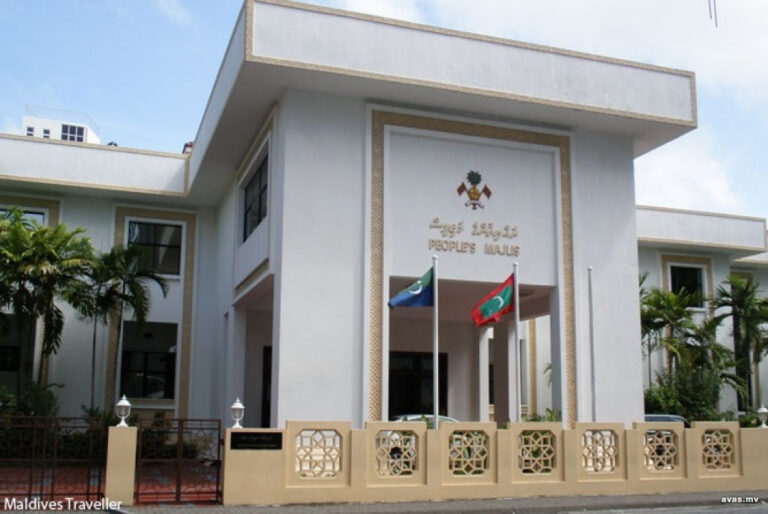
    Image: People’s Majlis – Maldives’ Parliament 

    UN’s “No-Fly List” on Sexual Harassment Falls Short, Complains Rights Group

    Present and past employees are continuing to raise the alarm about the wide-scale under-reporting of sexual harassment and abuse across UN institutions. There is an urgent need for strong leadership to ensure clear, effective policies are enforced, complaints are dealt with in a timely manner, and both victims and whistle-blowers receive protection and support.

    By Thalif Deen

    The United Nations has continued to crackdown on sexual harassment system-wide since 2017 while its “whistle blower protection policy” has provided “protective status” for nearly 68 UN staffers who reported wrong doing.

    But Equality Now, an international human rights organization, is accusing the UN of faltering on its longstanding “zero-tolerance” policy.

    Antonia Kirkland, Global Lead on Legal Equality and Access to Justice at Equality Now told IPS her organization was “shocked and concerned to discover that Kingston Rhodes, a former UN Under-Secretary-General, has been allowed to return to the corridors of the United Nations despite previously resigning from a senior position following multiple accusations of sexual harassment against him that were found to be “credible” in an internal investigation conducted by the Office of Internal Oversight Services (OIOS)”.

    Although the Secretary-General acknowledged that the allegations of sexual harassment and mistreatment were “credible”, she pointed out, Mr. Rhodes, the former Chair of the International Civil Service Commission (ICSC), was able to resign quietly without being held to account for his behaviour and, alarmingly, has now been allowed to become affiliated with the UN in an influential voluntary position.

    Unsatisfactory response

    The protest has been triggered by his new position in a pension committee of a UN retiree representative organization.

    “The new appointment of Mr. Rhodes in light of his past unacceptable behaviour is an affront to the women he victimized. It also discourages others who have experienced sexual harassment from reporting cases because it sends a toxic message that, yet again, powerful men at the UN can harass female colleagues with impunity,” she argued.

    Equality Now sent a letter to Secretary General Antonio Guterres voicing its concern about Mr. Rhodes being allowed to take this position, and saying he should be “disqualified from serving on the AFICS/NY Pension Committee and asked to resign this position immediately.”

    On June 10, Equality Now received what it calls “an unsatisfactory response” from Catherine Pollard, Under-Secretary-General for Management Strategy, Policy and Compliance.

    The response from Pollard read: “Having taken note of your concerns, I must bring to your attention that, as Mr. Rhodes is a retired former staff member, the Secretary-General has no jurisdiction regarding his membership of an AFICS Committee.”

    Under-reporting of abuse

    Kirkland told IPS the UN claims to have “no-fly list” of 564 names of those who have left the UN following allegations of sexual abuse or harassment.

    “Mr. Rhodes’ name should be included on that list. He should in no way be allowed to “represent the interests” of sexual harassment victims or any other former UN staff members”.

    “Nor should they be subjected to further interaction with him or be in a position to have to ensure personal financial data and other information are not shared with him through the auspices of the UN,” said Kirkland.

    She said the UN is the foremost international defender of human rights and must enforce its zero-tolerance approach to sexual harassment of its staff members, and apply it to all, without exception and irrespective of what position the offender holds.

    “Anyone who has been found to have perpetrated sexual harassment should be held fully to account and victims and whistleblowers protected from future interaction with them.”

    “Present and past employees are continuing to raise the alarm about the widescale under-reporting of sexual harassment and abuse across UN institutions. There is an urgent need for strong leadership to ensure clear, effective policies are enforced, complaints are dealt with in a timely manner, and both victims and whistle-blowers receive protection and support,” declared Kirkland.

    Disturbing, unacceptable

    Shihana Mohamed, who worked under Rhodes in the office of the International Civil Service Commission as Human Resources Policies Officer, told IPS “the recent news about naming Rhodes, the former ICSC Chair who had been confirmed as being a sexual harasser, to the Association of Former International Civil Servants (AFICS)/NY Pension Committee to represent the interests of former staff is shocking, deeply disturbing and unacceptable.”

    “It is all the more shocking because this is happening after a series of initiatives taken by Secretary-General Antonio Guterres and his Taskforce on Sexual Harassment, as well as the numerous efforts by UN organizations, NGOs and Civil Society.”

    Zero tolerance for sexual harassment and not allowing sexual perpetrators to creep back into the UN system, formally or informally, should be fundamental to safeguarding the dignity of all staff members and ensuring the integrity of the UN policies and mechanisms towards creating an enabling environment in the UN system, said Mohamed, who has more than 20 years of experience in the UN system, having previously worked at UNESCAP, UNDESA, UNOHRM and UNDPKO.

    Whistle blowers’ protection

    All UN affiliated formal and informal organizations, including AFICS should Stop Enabling Sexual Harassment and Rewarding Sexual Harassers. Instead, they should make every effort to uphold the values of the UN Charter,” declared Mohamed who is also a founding member and one of the coordinators of United Nations Asia Network for Diversity and Inclusion (UN-ANDI).

    Meanwhile, asked about the recent BBC documentary on sexual abuse and corruption in the UN system – and complaints by whistle blowers – UN spokesperson Stephane Dujarric told reporters ““When it comes to people who feel they have suffered sexual harassment or abuse within the UN system, our heart goes out to them.”

    He also said that Guterres remains “focused on strengthening whistleblowers’ protection” and since 2017 “about 68 people have been given some sort of protective status because they reported wrongdoing.”


    This piece has been sourced from Inter Press Service.


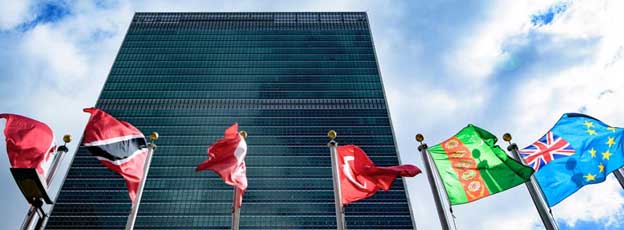
    Image: Manuel Elías / UN 

    First Person: “Engage with us to find a durable solution”

    “We do not know how we can ever return to our homes. We are neither safe in the refugee camps nor in Arakan [in Myanmar]. Our people are losing their lives to gang violence in the refugee camps, in environmental calamity, or by taking dangerous attempts to migrate to other countries.”

    By San thai Shin

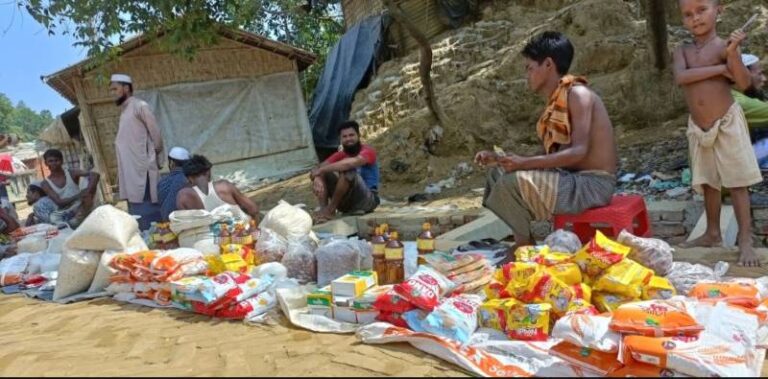
    Since 2021 big fire incidents have been rife in the Rohingya refugee camps in Bangladesh. Many of us lost livelihood opportunities such as shops, as well as belongings which we brought from Myanmar. On top of that, Bangladesh’s government put further restrictions on our livelihood options, access to education and the right to freedom of movement and association.

    Any form of financial transaction is forbidden in the camps. As a result, security officials often accuse Rohingya refugees of operating criminal gangs for having mobile phones with internet access and mobile financial systems installed on their phones. Some Rohingya refugees avoid detention by paying money to the officials.

    We refugees are living in limbo in Bangladesh with neither the opportunity to return to our homes in Myanmar nor have a way to live life peacefully in Bangladesh.

    At this current state, we have lost the expectation that the international community will do anything to truly help. We face enormous hardship in the refugee camps. Nearly half a million Rohingya children hang in the balance with limited primary level access to education. We have no security for our lives, no means for livelihood. To move anywhere outside the refugee camps, we need written order from the camp authority. We are just a monsoon’s landslide away from perishing under the muds.

    Deserve a better life

    On the top of it, we do not know how we can ever return to our homes. We are neither safe in the refugee camps nor in Arakan [in Myanmar]. Our people are losing their lives to gang violence in the refugee camps, in environmental calamity, or by taking dangerous attempts to migrate to other countries through the deadly seas and other means.

    Sadly, our options are so limited. Yet, there would be some hope if we had access to education. At least we can strive to improve the fate of our children by doing something better for them. Here, too, in the refugee camps there is so much restriction. We are detained by the police for operating community schools.

    Our people deserve to have a better life. Bangladesh has given us a second chance to survive, but what happens after this? Are we supposed to live in a standstill in the camps with nowhere to go and nothing to do? Being stuck in one place with no qualitative change in our lives for five years is no less cruel than the discrimination we faced in Myanmar.

    We are a people who have been denied and deprived of our rights at home for decades. The way out of this situation is not by looking away from us or pushing us away to a remote island but by engaging with us to find a durable solution.

    San thai Shin is a researcher and a volunteer teacher and prefers to write under his Burmese name in order to speak freely. The views expressed in this blog are entirely his own.

    This piece first appeared on Amnesty International.

    Government Begins Public Consultation for Formulation of National Curriculum Framework

    A national steering Committee and national focus groups have been engaged to deliberate on various issues and concerns, including the interaction with various ministries, autonomous bodies, civil society groups and even corporates and for collecting and collating inputs.

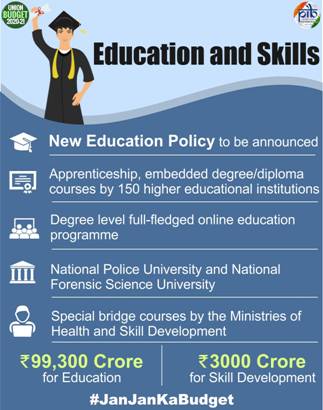
    The government on Sunday announced the initiation of a public consultation for the development of a national curriculum framework (NCF). The NCF is an offshoot of the national education policy announced in 2020.

    National Education Policy (NEP), 2020 on 29th July 2020, which recommends quality improvement of the system of education through the development of a National Curriculum Framework (NCF).

    The process of the national curriculum framework has been started through the constitution of district consultation committees, state focus groups, and state steering committees that will, in turn, inform the national focus groups and the national steering committee.

    A tech platform on the world wide web and a mobile app have also been developed. The mobile app is envisaged to be employed for a survey that will inform the other platforms for consultations – a “bottom-up approach” to reach out to stakeholders, including parents, Anganwadi workers, teachers, teacher educators and students.

    The government says that the app will help collect “views and opinion about the future of school education, early childhood care and education, teacher education and adult education.”

    At the national level too, the national steering committee and national focus groups have been engaged to deliberate on various issues and concerns, including the interaction with various ministries, autonomous bodies, civil society groups, corporates and also philanthropic groups for collecting and collating inputs for formulation of NCF.  A mandate document for the formulation of NCF has been developed for guiding the stakeholders in the process.

    Online consultation

    The government says that the effort is to provide an opportunity to every stakeholder – irrespective of them being parents, teachers or students willing to participate in the transformation of the country’s education system through sharing views on common concerns related to education.

    The effort also recognises the diversity in the country, providing an opportunity to every stakeholder, who may or may not be a parent or a teacher or a student and willing to participate in the transformation of the education system in India, through sharing views on common concerns related to education. “Such multiple and diverse views are likely to provide a practical road map for the smooth implementation of the vision of NEP 2020,” according to a statement of the ministry of education.

    An online public consultation survey will be instrumental in collating very useful and crucial inputs for the formulation of national curriculum framework and also subsequently designing syllabus, textbooks and other instructional materials.

    The government has invited teachers, headmasters and principals, school leaders, educationists, parents, students, community members, civil society groups, experts, public representatives, artists, artisans, farmers and anyone else interested in school and teacher education to participate in the online survey being conducted in 23 languages – all languages placed in the Constitution’s VIII Schedule as well as English.

    Bulky Agenda Drawn Up for One-Day Conference on Food and Nutrition Security

    The conference will cover an array of issues. It will discuss food fortification, diversification of food basket, crop diversification and reforms in PDS and storage sector. Best practices from states will also be presented.

    The Department of Food and Public Distribution is organizing a one-day National Conference on Food and Nutrition Security in India on Tuesday 5 July 2022 in New Delhi. The conference is aimed at facilitating cross learning, disseminating best practices for schemes under Public Distribution System (PDS) and strengthening the focus on nutritional security.

    The one-day-long conference will cover an array of issues. It will discuss food fortification, diversification of food basket, crop diversification and reforms in PDS and storage sector. Besides this, it will also unveil government plans to launch an integrated version of the Annavitran portal, referred to as Annavitran 2.0. The conference will also provide for presentation of replicable best practices being followed in some of the states.

    Many experts from the food policy sector with whom OWSA spoke said they were not sure how much would be achieved by discussing so many issues in the course of just one day. Besides, the doors of the conference are closed to many experts and groups holding views contrary to the government position on food fortification.

    However, one source in the ministry of consumer affairs defended the decision to close the doors on food rights groups and said that the conference was inter-ministerial in nature.

    Do also read: Is Fortified Rice the Only Way to Provide Nutritious Food?

    The Union Minister of Consumer Affairs, Piyush Goyal, will address the conference, besides the two Ministers of State for Consumer Affairs, Food and Public Distribution, Sadhvi Niranjan Jyoti and Ashwini Kumar Choubey.

    “The conference will serve as a platform to reflect upon the challenges and opportunities in the true spirit of cooperative federalism for achieving the transformation of the food and nutrition security ecosystem in the country,” says the Press Information Bureau.

    India’s Targeted Public Distribution System, under the National Food Security Act, 2013 (NFSA) is the largest public food-security program in the world. This system manages the food security requirements of around 80 crore beneficiaries across India, through a country-wide network of over 5.33 lakh fair price shops.

    “The food security response of the Government through Pradhan Mantri Garib Kalyan Anna Yojana (PMGKAY) combined with One Nation One Ration Card (ONORC) during COVID-19 pandemic served as a lifeline for the people and is being hailed globally as a shining example for its efficiency and sensitivity towards poor and vulnerable sections of the society,” the PIB said in its curtain-raiser release for the conference.

    Do also read: Government may withdraw PM Garib Kalyan Anna Yojana

    Over Half the Fortified Rice Required Already Produced, Says Government

    Halt Fortified Rice Distribution, Campaigners Tell Jharkhand Government


    Image: Department of Consumer Affairs

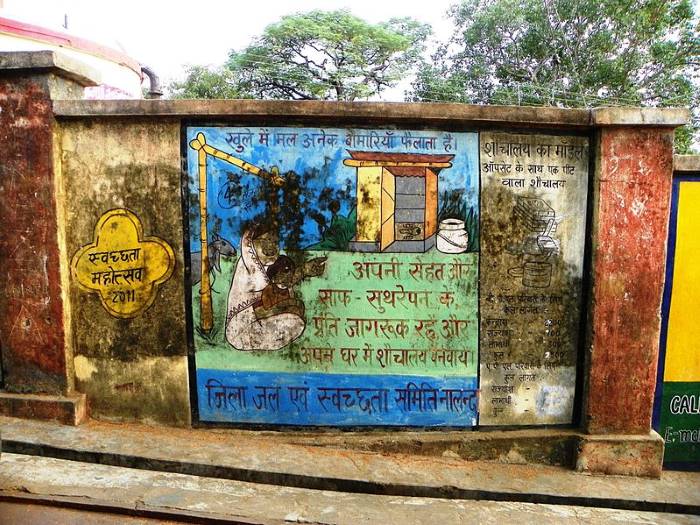
    Solving India’s Sanitation Scourge

    Three years since the alleged success of the sanitation intervention, the ruling BJP repeatedly labels the campaign a ‘success’. The party now mentions open defecation in the past tense and has moved on to other priorities in the water, sanitation and health sector.

    By Younus Mushtaq Ahmed / University of British Columbia

    In 2019, Indian Prime Minister Narendra Modi announced that India had achieved Open Defecation Free (ODF) status after his government built over 110 million toilets. The federal government’s flagship program, the Swachh Bharat Abhiyan (Clean India Mission), was the largest sanitation intervention of its kind globally.

    Its aim was to construct toilets to end open defecation and meet Sustainable Development Goal 6.2. The program’s technical approach to solving a social problem — couched in the language of vikas (development) — camouflages social justice concerns about equitable toilet access.

    Three years since the alleged success of the sanitation intervention, the ruling Bharatiya Janata Party (BJP) repeatedly labels the campaign a ‘success’. The party now mentions open defecation in the past tense and has moved on to other priorities in the water, sanitation and health sector.

    Nowhere close to ODF status

    But the BJP conveniently ignores hard data when making its claims. In May 2022, the Institute for Population and Health Research released the fifth version of its National Family and Health Survey (NFHS-5). The NFHS data provides demographic information on population, health and nutrition that estimate the results of the federal government’s welfare programs and guides policymaking.

    The survey suggests that open defecation is still practised by one in five households. According to the NFHS-5, 19.4 per cent of the country does not have access to a toilet — of which 25.9 per cent is in the rural areas and 6.1 per cent in the urban areas. In comparison to the NFHS-4, these numbers have declined from 54.1 per cent and 10.5 per cent, respectively.

    While this is a healthy indicator for a country in which more than 600 million people practised open defecation over the previous decade, the nation is nowhere close to obtaining ODF status. The real number for open defecation is likely higher than the NFHS data, as the survey assumes that the response of one household member represents the sanitation practices of the entire household. A gender-wise break-up of sanitary habits and data on homeless people is also missing.

    Coercive tactics

    For a country where defecating in the open is an accepted norm in rural areas, the government deserves credit for shaping public imagination in favour of Swachh Bharat. But the exclusion of caste — the rigid social stratification of Indian society — and other socio-economic determinants in the policy design explains the divergence between the NFHS data and the government’s ODF claim.

    There are two points that highlight how the mission’s singular focus on toilets construction could perpetuate class and caste inequities in villages.

    First, the haste in getting ODF status diverts resources from other areas and disproportionately impacts marginalised communities. The Modi administration galvanised the bureaucracy to supervise the construction of toilets — even directing non-health officials to join the taskforce. Government officials were often rushed to make unverified ODF declarations about their districts.

    But villagers have an equally important role here because the onus was on them to construct the latrines. The federal government asked villagers to construct the toilets out of their own pockets, after which they would receive government subsidies.

    Research found that officials and upper-caste Hindus used coercive tactics on the lower caste (Dalits) — including withholding government benefits and threats of fines — to get the ODF tag for their village. Since the messaging of the intervention was rooted in ‘the development narrative’, those who failed to build latrines in their homes were berated for not contributing to their village’s development.

    Manual scavenging

    The rural poor often used their savings for latrine construction and were only eligible for reimbursement if the whole ward in the village had constructed latrines. Dalits face the added burden of withheld benefits and fines, a form of caste-based discrimination that explains why 28.8 per cent of Dalits in rural areas still don’t have a toilet in NFHS-5 data.

    Another challenge is access to waste treatment facilities. In the absence of water and centralised sewage, pit latrines and septic tanks require manual scavenging to remove excreta. According to NFHS-5 data, of the 74.1 per cent with toilet access, only 2.9 per cent have a piped sewer connection in rural areas. Similarly, in urban area only 10.4 per cent have a sewer system.

    The burden of Swachh Bharat falls on the lower castes, who are coerced into constructing the latrines using their savings and shamed by officials and upper castes for not participating in the country’s ‘progress’. But without proper waste treatment infrastructure, they are forced again to engage in manual scavenging — putting their dignity and health at risk.

    Unless caste and other socio-economic determinants of toilet access are included in India’s policy design and implementation, open defecation will continue, further marginalising the lower castes.


    Younus Mushtaq Ahmed is a PhD student in Medical Anthropology at the University of British Columbia and is a Fellow at the Institute of Asian Research, School of Public Policy and Global Affairs.


    This piece has been sourced from the East Asia Forum of the Australian National University.


    Image: Wikimedia / juggadery

    New World Records: More Weapons than Ever. And a Hunger Crisis Like No Other

    Conflict is still the biggest driver of hunger, with 60 per cent of the world’s hungry living in areas affected by war and violence. A ring of fire stretches around the world where conflict and climate shocks are driving millions of people to the brink of starvation.

    By Baher Kamal

    While the North Atlantic Treaty Organisation (NATO) Summit ended in Madrid on 30 June with net commitments to double spending on weapons and to increase by eight-fold the number of troops in Europe, the total of hungry people worldwide now marks an unprecedented record.

    As advanced by IPS in its: NATO Summit Set to Further Militarise Europe, Expand in Africa? The Western military Alliance Declaration states that its member countries continue to face distinct threats from “all strategic directions.”

    “The Russian Federation is the most significant and direct threat to Allies’ security and to peace and stability in the Euro-Atlantic area.”

    Militarising migration policies?

    Furthermore, the NATO Summit Declaration emphasises that terrorism, “in all its forms and manifestations, continues to pose a direct threat to the security of our populations, and to international stability and prosperity.”

    The Summit, therefore, decided to increase its military deployment in Southern Europe, in particular in Spain and upon its request, as a way to prevent and combat terrorism.

    The decision was adopted by NATO leaders just four days after the massive entry of migrants to the Spanish cities of Ceuta and Melilla, both located in the North of Morocco, which was brutally stopped, killing around thirty migrants.

    “Instability beyond our borders is also contributing to irregular migration and human trafficking,” says the Declaration.

    In short, NATO has opted for further militarising its US, Canada and European countries’ migration policies, which they continue to claim that are based on international laws and human rights, etcetera.

    Cyber, space threats?

    The Madrid Declaration also says that NATO members “are confronted by cyber, space, and hybrid and other asymmetric threats, and by the malicious use of emerging and disruptive technologies.”

    As expected, the NATO Declaration emphasises that the Russian Federation “is the most significant and direct threat to Allies’ security and to peace and stability in the Euro-Atlantic area.”

    At the same time, NATO leaders have made a clear reference to China.

    “We face systemic competition from those, including the People’s Republic of China, who challenge our interests, security, and values and seek to undermine the rules-based international order.”

    Any mention of hunger?

    Unless hunger has been dealt with by the Western military Alliance as a “top secret, confidential” topic, the NATO Declaration makes no clear mention of the current unprecedented hunger crisis. Perhaps NATO includes the deadly hunger as part of its package of “threats” to their safety and security?

    The fact is that right now 811 million people go to bed hungry every night, the Peace Nobel Laureate World Food Programme (WFP) warns.

    The number of those facing acute food insecurity has soared – from 135 million to 345 million – since 2019. A total of 50 million people in 45 countries are teetering on the edge of famine.

    Money for weapons, not for saving lives

    While needs are sky-high, resources have hit rock bottom, warns WFP, while emphasising that it requires 22.2 billion US dollars to immediately reach 137 million people in 2022.

    “However, with the global economy reeling from the COVID-19 pandemic, the gap between needs and funding is bigger than ever before.”

    The urgently needed funding to face the pressing need to save lives is hard to be met. In its Nuclear-Armed Powers Squander $156.000 Per Minute on Their ‘MAD’ Policy, IPS reported on how nine nuclear-armed states spent 82.4 billion US dollars in just one year, prior to the unfolding war in Europe, on these weapons of mass destruction.

    Now in view of the NATO Summit decision to further increase military spending to face not only Russia but also to more heavily spending on deadly arms to challenge what they now consider as the Chinese threat, there will be little chance to address the devastating hunger.

    Why is the world hungrier than ever?

    WFP mentions four causes of hunger and famine. This seismic hunger crisis, it explains, has been caused by a deadly combination of four factors.

    Conflict is still the biggest driver of hunger, with 60 per cent of the world’s hungry living in areas affected by war and violence. Events unfolding in Ukraine are further proof of how conflict feeds hunger, forcing people out of their homes and wiping out their sources of income.

    Climate shocks destroy lives, crops and livelihoods, and undermine people’s ability to feed themselves.

    The economic consequences of the COVID-19 pandemic are driving hunger to unprecedented levels.

    And, last but not least, the cost of reaching people in need is rising: the price WFP is paying for food is up 30 per cent compared to 2019, an additional US$42 million a month.

    Hunger hotspots: a ring of fire

    By the way, none of these factors has been caused by any of these millions of hungry humans.

    According to the Rome-based WFP, from the Central American Dry Corridor and Haiti, through the Sahel, Central African Republic, South Sudan and then eastwards to the Horn of Africa, Syria, Yemen and all the way to Afghanistan, there is a ring of fire stretching around the world where conflict and climate shocks are driving millions of people to the brink of starvation.

    In countries like Nigeria, South Sudan and Yemen, WFP is already faced with hard decisions, including cutting rations to be able to reach more people. This is tantamount to taking from the hungry to feed the starving.

    “The consequences of not investing in resilience activities will reverberate across borders. If communities are not empowered to withstand the shocks and stresses they are exposed to, this could result in increased migration and possible destabilisation and conflict.”

    Is this why NATO leaders talk about pouring more billions and even trillions into their fight against “destabilisation and terrorism”?

    Reimagining Ageing: Older Persons as Agents of Development

    Older persons, especially older women, also make important contributions as caregivers to both children and other older persons. This unpaid care enables younger people in their families to take paid work, often in metropolitan areas of their own country or abroad.

    By Armida Salsiah Alisjahbana

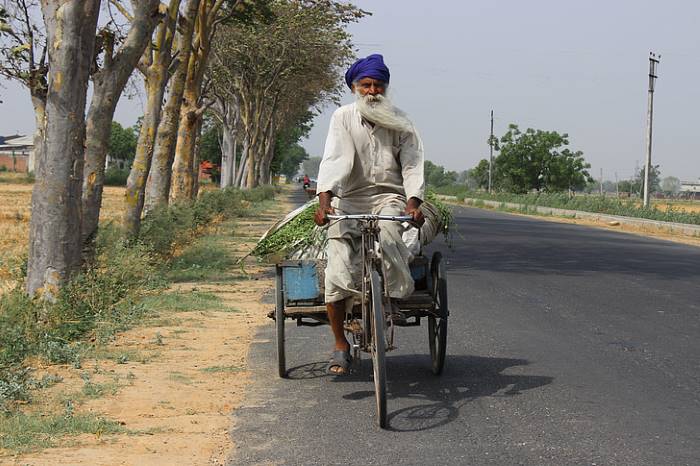
    Older persons are highly visible across Asia and the Pacific: they work in agricultural fields producing our food supplies, peddle their wares as street vendors, drive tuk-tuks and buses, exercise in our parks, lead some of the region’s most successful companies and form an integral part of our families.

    Indeed, population ageing is one of the megatrends greatly affecting sustainable development. People now live longer than ever and remain active because of improved health. We must broaden the narrow view of older persons as requiring our care to recognize that they are also agents of development. With many parts of the Asia-Pacific region rapidly ageing, we can take concrete steps to provide environments in which our elders live safely, securely and in dignity and contribute to societies.

    To start with, we must invest in social protection and access to universal healthcare throughout the life-course. Currently, it is estimated that 14.3 per cent of the population in Asia and the Pacific are 60 years or older; that figure is projected to rise to 17.7 per cent by 2030 and to one-quarter in 2050. Moreover, 53.1 per cent of all older persons are women, a share that increases with age. Therefore, financial security is needed so older persons can stay active and healthy for longer periods. In many countries of the region, less than one-third of the working-age population is covered by mandatory pensions, and a large proportion still lacks access to affordable, good quality health care.

    Grey digital divide

    Such protection is crucial because older persons continue to bolster the labour force, especially in informal sectors. In Thailand, for example, a third of people aged 65 years or over participate in the labour force; 87 per cent of working women aged 65 or over work in the informal sector, compared to 81 per cent of working men in the same cohort. This general trend is seen in other countries of the region.

    Older persons, especially older women, also make important contributions as caregivers to both children and other older persons. This unpaid care enables younger people in their families to take paid work, often in metropolitan areas of their own country or abroad.

    Older persons should also have lifelong learning opportunities. Enhanced digital literacy, for example, can close the grey digital divide. Older women and men need to stay abreast of technological developments to access services, maintain connections with family and friends and remain competitive in the labour market. Through inter-generational initiatives, younger people can train older people in the use of technology.

    We must also invest in quality long-term care systems to ensure that older persons who need it can receive affordable quality care. With the increase in dementia and other mental health conditions, care needs are becoming more complex. Many countries in the region still rely on family members to provide such care, but there may be less unpaid care in the future, and care by family members is not always quality care.

    Mainstream ageing into all policies

    Finally, addressing age-based discrimination and barriers will be crucial to allow the full participation of older persons in economies and societies. Older women and men actively volunteer in older persons associations or other organizations. They help distribute food and medicine in emergency situations, including during the COVID-19 pandemic, monitor the health of neighbours and friends, or teach each other how to use digital devices. Older persons also play an active role in combatting climate change by sharing knowledge and techniques of mitigation and adaptation. Ageism intersects and exacerbates other disadvantages, including those related to sex, race, and disability, and combatting it will contribute to the health and well-being of all.

    This week, countries in Asia and the Pacific will convene to review and appraise the Madrid International Plan of Action on Ageing (MIPAA) on the occasion of its 20th anniversary. MIPAA provides policy directions for building societies for all ages with a focus on older persons and development; health and well-being in old age; and creating enabling environments. The meeting will provide an opportunity for member States to discuss progress on the action plan and identify remaining challenges, gaps and new priorities.

    While several countries in the region already have some form of policy on ageing, the topic must be mainstreamed into all policies and action plans, and they must be translated into coherent, cross-sectoral national strategies that reach all older persons in our region, including those who inhabit remote islands, deserts or mountain ranges.

    Older persons are valuable members of our societies, but too often they are overlooked. Let us ensure that they can fully contribute to our sustainable future.


    Armida Salsiah Alisjahbana is an Under-Secretary-General of the United Nations and Executive Secretary of the Economic and Social Commission for Asia and the Pacific (ESCAP)


    This piece has been sourced from Inter Press Service.


    Image: Hippopx – licensed to use under Creative Commons Zero – CC0