More

    Making The Belt And Road Initiative ‘Small And Beautiful’

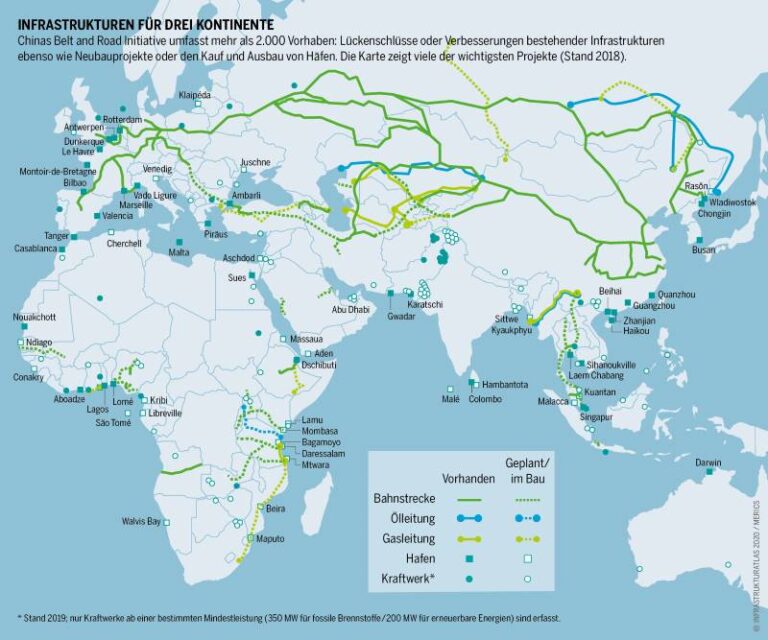
    Limits on external lending represent a shift in Chinese BRI lending policies in developing countries. Chinese state-owned banks financed on average US$85.4 billion a year across 2013–2017, more than double the United States’.

    By Ye Yu  /  Shanghai Institutes for International Studies

    On 21 November 2021, Chinese President Xi Jinping laid out the key principles for the next stage of the Belt and Road Initiative (BRI). Risk control of BRI projects was a key focus. Xi encouraged companies and their regulatory bodies to prioritise ‘small and beautiful’ projects in international cooperation and to avoid ‘dangerous and turmoiled places’.

    The Central Bank of China also issued a new regulation setting limits on the external lending of Chinese banks, ‘aiming to forge a new development pattern mainly relying on domestic cycles and … promoting interactions of domestic and international cycles’.

    Limits on external lending represent a shift in Chinese BRI lending policies. The BRI has featured large direct lending for physical infrastructure projects in developing countries. Chinese state-owned banks financed on average US$85.4 billion a year across 2013–2017. This amount was more than double the United States. The average size of Chinese loans was US$328 million in this period, compared to non-concessional loans of OECD countries valued at US$12.4 million on average in 2019. Although infrastructure projects will continue to be the focus of the BRI, the size of future projects is expected to decline.

    Do also read: China struggles with socio-environmental standards in Latin America

    The shift can be understood in the context of global financial market dynamics. After the 2008 global financial crisis, European mega banks reduced overseas lending sharply from US$15.9 trillion to US$8.6 trillion from 2007–2016 due to enhanced financial regulations. A similar curve for the BRI will likely be pushed by the regulations of the Bretton Woods institutions and traditional creditors due to the COVID-19 pandemic.

    Institutional bias

    According to the IMF and the World Bank, half of the countries eligible for International Development Association assistance are already in or were at high risk of entering debt distress before the pandemic. As proposed by the two institutions, the G20 approved the Debt Service Suspension Initiative (DSSI) and the Common Framework for Debt Treatment beyond the DSSI for this group of countries in April and November 2020 respectively. A total of US$12.9 billion debt service was suspended between May 2020 and the end of 2021. Further countries, such as Chad, Ethiopia and Zambia, are in the process of applying the Common Framework.

    The accommodative policies of advanced economies over the last two years have allowed most debtor countries to survive without applying for Common Framework treatment. But the IMF, the World Bank and the US Treasury are encouraging more countries to speed up their debt treatment process. They are also pushing for broader debt transparency requirements and stricter debt sustainability analysis for DSSI countries. Inflation is driving a tightening of the global monetary environment and is expected to bring more DSSI countries into the G20 debt treatment process. China — as the largest official bilateral creditor — will be the most affected lender.

    Do also read: Traditional Chinese medicine stirs a concoction in Asia, Africa and the Americas

    BRI deleveraging is different to the retreat of European banks during the global financial crisis due to the highly geopolitical nature of the debt treatment, debates on the role of BRI debt and the appropriateness of international regulations. The Bretton Woods institutions strengthened debt sustainability analysis for poor countries while advanced economies are effectively abandoning public debt limit disciplines. African countries complain about the ‘institutional bias’ in the methodology of rating agencies as attacking poorest countries during their hardest times.

    Development finance competition

    The Common Framework processes will be prolonged due to the broad base of creditors and the lack of trust and leadership. Ensuring a commonly accepted fair burden sharing between commercial creditors of advanced economies, including bondholders, and Chinese banks will be the key.

    A serious issue to consider is the optimal regulation for modern development finance to meet the financing gaps of developing countries. Traditional creditors are pushing for development banks and export credit agencies to comply with the strict norms of official development assistance (ODA), such as the ‘full transparency’ requirement and the prohibition of credit enhancement measures. These will heavily discourage the financing of ‘big and stupid’ infrastructure projects where ODA-type finance is insufficient to meet demand.

    While it might be easy for the BRI to get wiser, it is still difficult for the poorest countries to find real alternatives. A new tide of ‘development finance competition’ is emerging to fill the financing gap. A dozen initiatives, including the Indo-Pacific Economic Corridor, Build Back Better World and Global Gateway were put forward to replace the BRI. Their key narrative is to adopt innovative financing tools to crowdsource private sector funding for high quality infrastructure projects, but results have been limited. How private sector solutions for infrastructure can really work remains an open question.


    Ye Yu is Associate Research Fellow at the Shanghai Institutes for International Studies.


    This piece has been sourced from East Asia Forum of the Australian National University.
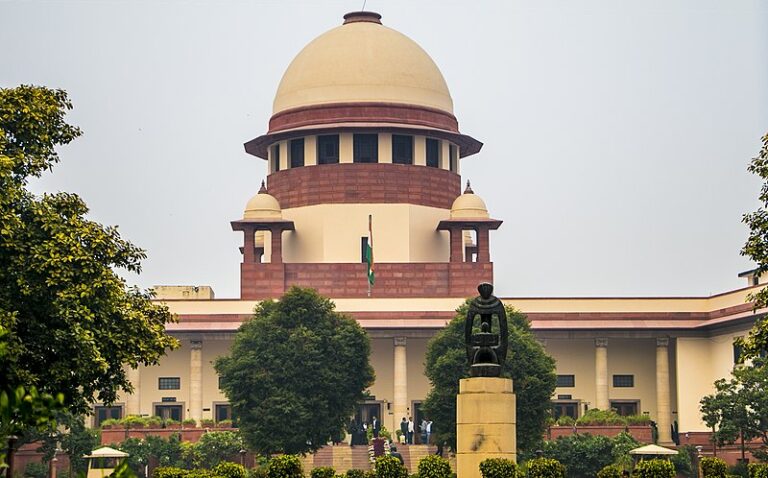
    Spelling Out: Supreme Court Ruling On Sex Work As A Legal Profession

    A three-judge bench of the Supreme Court ruled that sex workers were entitled to dignity and equal protection under the law, saying they shouldn’t be harassed or penalised by the police.

    By Kingshuk Sarkar

    The Supreme Court of India in a ruling on May 26 said voluntary sex work is not illegal. It is significant in the context that sex work was not legally recognised as work in India so far. “Notwithstanding the profession, every individual in this the country has a right to a dignified life under Article 21 of the Constitution,” the court said.

    The Supreme Court observed that sex work is a profession like any other. Sex workers are entitled to equal status and equal protection under the law of the land. In the context of the absence of a law on sex work, the Supreme Court, in the exercise of its powers under Article 142, has issued a series of directions on their rehabilitation, including sensitising police to treat sex workers with dignity and to stop abusing them or subjecting them to violence.

    A three-judge bench headed by Justice L Nageswara Rao issued six guidelines. The bench said, “Sex workers are also entitled to equal protection and dignity in the eyes of the law. When it is clear that the sex worker is an adult and is participating with consent, the police must refrain from interfering or taking any criminal action.” The bench comprising Justices Rao, B F Gavai and A S Bopanna asked states and Union territories to act in strict compliance of some of these recommendations which “relate only to rehabilitation measures in respect of sex workers and other connected issues”.

    involve sex workers

    This observation by the Supreme Court was made in the context of a plea flagging the deprivation faced by sex workers on account of the Covid-19 pandemic and sought relief measures for over nine lakh women and transgender sex workers across India. The court observed that sex workers should not be arrested, penalised or harassed through raids on brothels because voluntary sex work is not illegal and only running the brothel is unlawful. Further, it instructed the police not to discriminate against sex workers and called for sensitisation on this issue.

    In its order, the bench said the media should take “utmost care to not reveal the identities of sex workers, during arrest, raid and rescue operations, whether as victims or accused and not publish or telecast any photo that would result in disclosure of such identities. A sex worker’s child should not be deprived of her mother’s care “on the ground that she is in the sex trade,” the court observed. “Basic protection of human decency and dignity extends to sex workers and their children,” it said.

    The Supreme Court also instructed police not to discriminate against sex workers who lodge a complaint, if the offence against them is of sexual nature. Sex workers who are victims of sexual assault should be provided with every facility, including immediate medico-legal care. The apex court added that the directions so passed would hold the field until the time the Union Government comes up with legislation on this subject. Both the Centre and States must involve sex workers or their representatives in the process of reformation of laws, the court pointed out.

    Context of the ruling

    On July 19, 2011, the Supreme Court had ordered the setting up of a panel headed by senior advocate Pradip Ghosh as chairman to suggest measures to prevent trafficking and to rehabilitate sex workers who wish to leave the profession, and also to make conditions conducive for sex workers who wish to continue working to do that with dignity.

    The committee also included senior advocate Jayant Bhushan, Usha Multipurpose Cooperative Society through its president/secretary, Durbar Mahila Samanwaya Committee through its president/secretary, and NGO Roshni Academy through its founder Saima Hasan. The panel submitted a series of recommendations. In 2016, the Supreme Court observed that the recommendations were considered by the government of India and draft legislation was published incorporating the recommendations. However, since no law was enacted, the Supreme Court under Article 142, preferred to issue recommendations in the present context.

    The court stated that “as the legislation has not been made till date, even though the recommendations were made by the Panel in 2016 and the said recommendations have to be implemented, we are exercising our powers conferred under Article 142 of the Constitution, to issue the following directions which will hold the field till a legislation is made by the Union of India.”

    The court directed that of the 10 recommendations, six which relate to the rehabilitation measures in respect of sex workers and other connected issues be implemented with immediate effect and asked states and Union territories “to act in strict compliance of the recommendations”.

    Highly vulnerable

    Sex work remains invisible in India. Sex workers exist but are not legally recognised. In an explicit sense, the Indian Penal Code is silent about prostitution. As per the Immoral Traffic (Prevention) Act 1986, soliciting customers in public spaces and running brothels are illegal. This act is grossly mis-utilised by the law-enforcing authorities to harass sex workers as well as their clients.

    Raids in brothels are commonplace and sex workers face criminal prosecution quite frequently. As sex work is not recognised as work, sex workers are denied trade union rights. Durbar Mahila Samanwaya Committee (DMSC), an organisation of sex workers fighting for rights & dignity, mobilised sex workers in Sonagachi in Kolkata and tried hard to get registration under the Trade Union Act 1926. But so far registration has not been granted.

    The condition of sex workers in India is deplorable. They face discrimination in their public life and suffer from a severe lack of dignity as workers as well as human beings. They face constant harassment from various law enforcement agencies and extra-constitutional entities. Occupational health hazards are very high and the precarity of livelihood is highly significant. In socio-economic sense, sex workers in India are highly vulnerable.

    Elsewhere in the world

    While the legal status of sex work is ambiguous in India, several countries across the world have legalised sex work and thereby granting sex workers legal rights and protection. Across Europe, countries such as Germany, Netherlands, France, Austria, Switzerland, Greece have legalised the profession.

    Germany legalised sex work in 1927 and there are state-run brothels. The workers are provided with health insurance, pay taxes and receive social security benefits like pension. Prostitution has been legal in Switzerland since 1942. Sex workers work in a brothel or buy a daily ticket to sell sex in designated street areas. In France, prostitution is legal but soliciting in public is still outlawed.

    Austria has also made prostitution legal. Prostitutes of 19 years of age and above are required to register, undergo periodic health examinations and pay taxes. The Netherlands also legalised prostitution in 2000 and Amsterdam’s, De Wallen, is the largest and most famous red-light district in the city and a popular sex tourism destination.

    Outside Europe, New Zealand has legalised sex work since 2003 and the country also has licensed brothels operating under public health and employment laws. Canada has also permitted sex work, but pimping and running brothels are illegal. Similar is the legal situation in Brazil. Ecuador also has legalised sex work and the running of brothels.

    Implications of SC observations

    The Supreme Court order puts a limit on police actions regarding sex workers and treat sex workers and their children at par with the rest of the people. Consensual adult sex work and the presence of sex workers in a brothel would not warrant an arrest or police interference, as per the SC order. This is very important as the police tend to harass sex workers on a regular basis.

    The apex court recognised the adversities faced by sex workers, observing, “… this basic protection of human decency and dignity extends to sex workers and their children, who, bearing the brunt of social stigma attached to their work, are removed to the fringes of the society, deprived of their right to live with dignity and opportunities to provide the same to their children.”

    The Supreme Court order also prohibits the forced separation of children of sex workers. The order states, “Further, if a minor is found living in a brothel or with sex workers, it should not be presumed that he/she has been trafficked. In case the sex worker claims that he/she is her son/daughter, tests can be done to determine if the claim is correct and if so, the minor should not be forcibly separated.”

    The guidelines by the Supreme Court would go a long way in establishing the legal rights of sex workers in India. It sets the basic paradigm and recognising adult consensual sex work as work is a historic one in the Indian context. DMSC’s endeavour to provide trade union rights to the sex workers in West Bengal and subsequently in other parts of the country would become possible in near future.


    This piece has been sourced from Policy Circle – policycircle.org

    Dr Kingshuk Sarkar is an associate professor at the Goa Institute of Management. He has worked as a labour administrator with the government of West Bengal.

    Image: Wikimedia

    PM-KISAN Installment To Benefit 10 Crore Farmers Announced

    Beneficiaries from around the country also interacted with the Prime Minister to tell him of the smooth implementation of various government schemes like PMAY, the construction of toilets, the provision of gas cylinders and benefits to farmers.

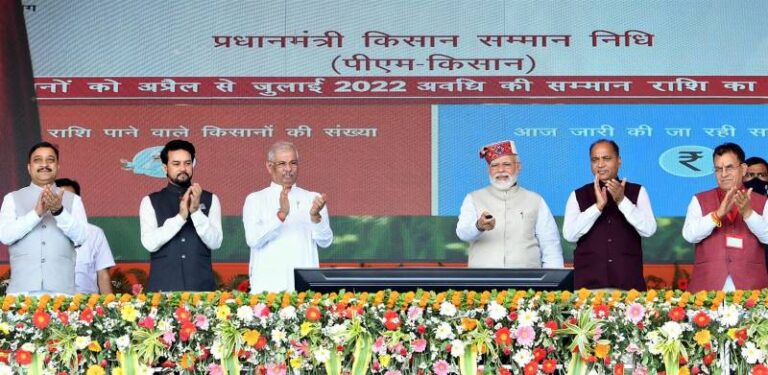
    Prime Minister Narendra Modi arrived in Shimla to mark the eighth anniversary of his government and to release the 11th installment of financial benefits under the Pradhan Mantri Kisan Samman Nidhi (PM-KISAN) scheme.

    The 11th installment entails a transfer of Rs 21,000 crore to more than 10 crore beneficiaries of (PM-KISAN) across the country.

    Addressing the gathering, the Prime Minister congratulated the farmers as more than 10 crore farmers have received the money in their bank accounts through the PM KISAN scheme. The Prime Minister also conveyed his satisfaction on marking eight years of his government by taking up the responsibility of the children who were orphaned following the COVID-19 pandemic through the PM CARES for Children yesterday.

    The Prime Minister noted that the welfare schemes, good governance, and welfare of the poor (Seva Sushasan aur Gareeb Kalyan) have changed the meaning of government for the people.

    “Seva, Sushasan aur Gareeb Kalyan have changed the meaning of government for the people,” he said. “[The] government is trying to give a permanent solution to the problems which were earlier assumed to be permanent”

    He cited the example of direct benefit transfers that have put an end to the injustice of pilferage and leakage by removing 9 crore fake names from the benefits rolls.

    Be it PM housing schemes, scholarships, or pension schemes, now the government is working for the people by employing digital technologies to minimise the scope of corruption.

    “I can say with pride that almost every family of the country is benefiting from one or the other scheme”, he said.

    One of family of 130 crore citizens

    The Prime Minister said the government has taken the initiative to make 100 per cent benefits reach 100 per cent of the beneficiaries. He said the Government has taken a pledge for reaching the saturation of the beneficiaries, adding that 100 per cent empowerment means ending discrimination, eliminating recommendations and ending appeasement. 100 per cent empowerment means that every poor gets full benefits from government schemes, he said.

    Beneficiaries from around the country also interacted with the Prime Minister to tell him of the smooth implementation of various government schemes like PMAY, the construction of toilets, the provision of gas cylinders and benefits to farmers.

    Many things like education and the marriage of the children will fall in place once a house is provided, Prime Minister Modi said.

    On the occasion, PM Modi said, “I always see myself as a member of the family of 130 crore citizens and not as a Prime Minister. Getting connected with the hopes and aspirations of my family of 130 crore citizens, this family is all I have. You people are everything in my life and this life to is for you.”

    UN “Deeply Troubled” by Impending Cuts on Development Aid by Rich Nations

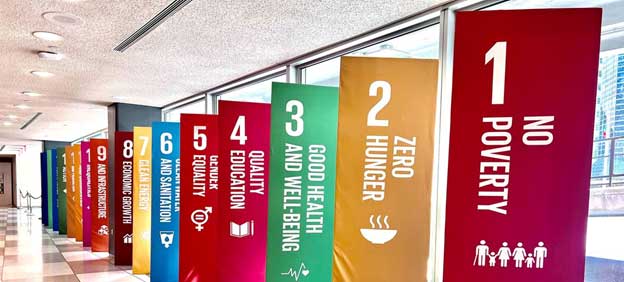
    UN Secretary-General António Guterres expressed concern, over the fall in Overseas Development Assistance (ODA), at a meeting of the UN Chief Executives Board, which brought together the heads of 30 UN agencies, to discuss ways of alleviating the crises holding back economic recovery from the COVID-19 pandemic, and boost implementation of the SDGs.

    By Thalif Deen

    The four-month-old Russian invasion of Ukraine, which has triggered a hefty increase in military spending among Western nations and a rise in humanitarian and military assistance to the beleaguered country, is now threatening to undermine the flow of Official Development Assistance (ODA) to the world’s poorer nations.

    In an advance warning of the upcoming cuts, the UN’s Deputy Secretary-General Amina Mohammed told a recent meeting of the Economic and Social Council (ECOSOC): “As Chair of the United Nations Sustainable Development Group, I am deeply troubled over recent decisions and proposals to markedly cut Official Development Assistance (ODA) to service the impacts of the war in Ukraine on refugees”.

    UN Secretary-General Antonio Guterres, who was equally concerned about the impending reductions, has urged donor nations to reconsider making cuts that will affect the world’s most vulnerable.

    The people who benefit from the work of the UN system need additional and more predictable funding, he added. “Contributions to key UN agencies, funds and programmes, working with people on the ground, are facing steep proposed reductions. Cuts to development and the United Nations mean scaling back support at a time when demand for support to meet the deepening development needs has reached an all-time high”.

    He said ODA is more necessary than ever, and called upon all countries to demonstrate solidarity, invest in resilience, and prevent the current crisis from escalating further.

    Widespread fear

    According to a UN report, titled 2022 Financing for Sustainable Development Report: Bridging the Finance Divide released last April, “the fallout from the crisis in Ukraine, with increased spending on refugees in Europe, may mean cuts to the aid provided to the poorest countries”

    At a meeting in mid-May, the Group of Seven – comprising some of world’s biggest economies — Canada, France, Germany, Italy, Japan, UK and the US, plus the European Union– agreed to provide nearly $20 billion to support Ukraine and bolster its war-ravaged economy.

    Separately the US has pledged over $40 billion in economic, humanitarian and military assistance to Ukraine since the Russian invasion last February.

    The widespread fear is that the collective $60 billion assistance to Ukraine may result in corresponding reductions in ODA.

    Bhumika Muchhala, senior advocate on global economic governance at the Third World Network said that cuts to ODA at a time of a convergence of crises in the Global South is extremely concerning.

    She said the pandemic is still ongoing, and health and economic recovery need immediate funds. Food security is being threatened by global supply disruptions, exacerbated by the war in Ukraine.

    She pointed out that climate change is creating catastrophes every day, from fatal heat waves to floods and droughts, while both existing climate financing as well as ODA commitments still remain unfulfilled by rich countries.

    “Underpinning these crises is the surge in gender inequality, as women absorb the shocks and costs of global inequalities”.

    “Making matters worse, a large number of developing countries are in debt distress or experiencing debt crisis, leading to another era of austerity that is already arresting the achievement of SDGs, resulting in a retrogression of poverty reduction that has taken many decades of hard-won economic and social development to achieve”. said Muchhala.

    ODA still a gold standard?

    In light of the fact that every crisis in the South will ripple through the world economy with adverse effects for all, “rich countries have a collective duty to fulfil existing ODA commitments, as well as climate financing commitments and efforts to create genuine fiscal space for developing countries through equitable debt restructuring, international tax cooperation to eradicate illicit financial flows, and needs-based issuances of Special Drawing Rights,” she declared.

    The Development Assistance Committee (DAC) of the Organization for Economic Cooperation and Development (OECD), comprising some of the world’s richest nations, has been providing development assistance since the 1960s.

    According to OECD, ODA is defined as “government aid that promotes and specifically targets the economic development and welfare of developing countries”.

    The DAC adopted ODA as the “gold standard” of foreign aid in 1969 and it remains the main source of financing for development aid.

    The April UN report, 2022 Financing for Sustainable Development Report: Bridging the Finance Divide, said record growth of Official Development Assistance, increased to its highest level ever in 2020, rising to $161.2 billion.

    “Yet, 13 countries cut ODA, and the sum remains insufficient for the vast needs of developing countries”.

    But according to OECD, ODA rose to an all-time high of $178.9 billion in 2021, up 4.4 per cent in real terms from 2020 as developed countries stepped up to help developing countries grappling with the COVID-19 crisis, according to the latest available figures.

    This figure included $ 6.3 billion spent on providing COVID-19 vaccines to developing countries, equivalent to 3.5 per cent of total ODA. Excluding ODA for donated COVID-19 vaccines, ODA was up 0.6 per cent in real terms from 2020.

    Critical time for action

    The 2021 ODA total is equivalent to 0.33 per cent of DAC donors’ combined gross national income (GNI) and still below the UN target of 0.7 per cent ODA to GNI.

    The beneficiaries of ODA include the UN’s 46 least developed countries (LDCs), described as the poorest of the world’s poor. https://unctad.org/topic/least-developed-countries/list

    Meanwhile, in a new report released May 24, the United Nations Development Programme (UNDP) warned of the direct and indirect impacts of the war in Ukraine on the African continent, which could further stall the continent’s development trajectory already significantly jeopardized by the COVID-19 crisis.

    This report, entitled “The Impact of the War in Ukraine on Sustainable Development in Africa”, reinforces findings of the Global Crisis Response Group (GCRG) that the war in Ukraine is pushing the 2030 Sustainable Development Goals and the aspirations of the African Union’s Agenda 2063 further out of reach, and provides key recommendations for actions that need to be taken immediately, to avert further crises in Africa.

    “Africa is facing a double crisis with the combined effects of the war in Ukraine and of the COVID-19 pandemic. However, with strategic partnerships, the crisis also presented the opportunity to rechart Africa’s development trajectory, breaking away from a dependency cycle” said Achim Steiner, Under-Secretary-General of the United Nations and UNDP Administrator.

    “Now is a critical time for action. It is time to intensify efforts and reframe development finance, strengthen resilience in African economies, and foster economic transformation as a key driver for change in Africa.”

    Africa pays for European conflict

    According to the report, some of the direct impacts of the crisis in Africa include trade disruption, food and fuel price spikes, macroeconomic instability, and security challenges. African countries are particularly affected due to their heavy reliance on imports from Russia and Ukraine.

    The current hike in prices for food and fuel directly affects the entire continent, including the biggest economies, as food and fuel account for over one-third of the consumer price index in most African countries, (Nigeria 57 per cent, Egypt 60 per cent, Ghana 54 per cent, and Cameroon 42 per cent).

    In 2020, African countries imported $4.0 billion worth of agricultural products from Russia, 90 per cent of which was wheat.

    Daniel D. Bradlow, SARCHI Professor of International Development Law and African Economic Relations at the University of Pretoria told IPS: “I think the UNDP statement gives a good summary of the situation”.

    “The impact of the war in Ukraine is having a devastating impact on Africa. If it continues it is likely to lead to hunger, increased poverty and serious debt crises across the continent,” he added.

    “If the Western countries really wanted African support for the war in Ukraine, they should have taken steps to shield Africa and other parts of the Global South from the impacts of a European war. Instead, they are redirecting aid that could have gone to Africa to Ukraine and are cutting their aid budgets”.

    He pointed out that the support that is being offered through the IFIs and others are likely to be in the form of loans rather than grants.

    “This means that at the end of the day, the Western states are making African states pay for a conflict in Europe that suits their political agendas.”

    Europe recipient of its own aid?

    In a statement last April, Jeroen Kwakkenbos, EU aid expert at Oxfam said donors have thrown out the rule book by counting vaccine donations in aid budgets.

    “Over 350 million vaccine doses came from hoarded stocks, some of which, were donated far too close to their expiry date. Many more were donated without essential equipment such as syringes making them almost useless. Including these ‘donations’ in aid budgets inflates aid. It is merely donors patting themselves on the back for a job that may have cost lives,” he noted

    “The war in Ukraine poses a risk to future aid budgets. Aid is already being pulled from countries like Syria to fund the reception of Ukrainian refugees in Europe.”

    “We are left with the bizarre situation where European countries could become the largest recipients of their own aid. Instead of cherry-picking humanitarian crises, donor governments need to boost aid budgets to meet the challenges of today.”


    This piece has been sourced from Inter Press Service


    PM CARES Releases Funds for Education of COVID-19 Orphans

    The Prime Minister said that the PM-CARES initiative has been made possible through the contributions of citizens across the country and added that the contributions have helped ramp-up healthcare infrastructure.

    V Muraleedharan, Minister of State for External Affairs, today distributed benefits under PM CARES for Children to 11 children in Thiruvananthapuram today. The children had lost their parents in the COVID-19 pandemic.

    Besides an assurance of free education, the children received a message from the Prime Minister, a pass book of a PM Cares account for financial benefits and an Ayushman Health Card to cover health expenses up to Rs 5 lakhs. A total of 112 children from Kerala are receiving the assistance.

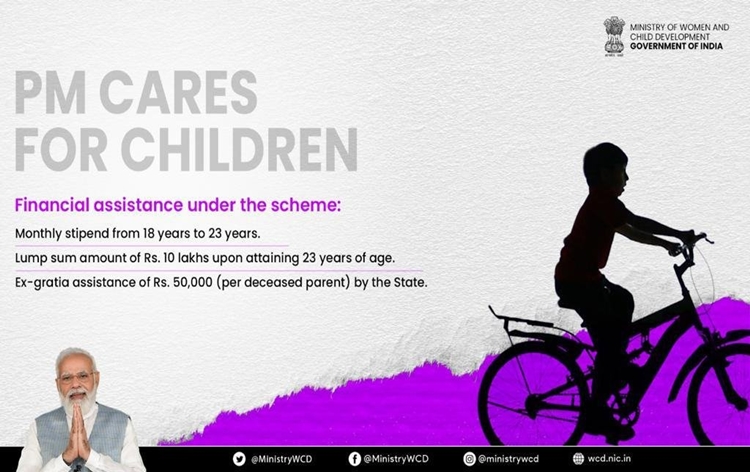
    Over a video conferencing facility, the Prime Minister assured the children of full support for their schooling and higher education. He said that PM-CARES for children is an initiative to relieve some of the burden children face after losing their parents. The children are entitled to a fixed stipend and a sum of Rs 10 lakhs on attaining the age of 23.

    Besides this, the government is supporting children by providing four thousand rupees per month for daily needs through PM-CARES.

    The Prime Minister said that the PM-CARES initiative has been made possible through the contributions of citizens across the country. He said, through these contributions, government has been able to ramp-up healthcare infrastructure as the fund has helped hospitals buy ventilators and set up oxygen plants.

    Sabka Saath

    The Prime Minister said that through Sabka Saath, Sabka Vikas, Sabka Vishwaas, Sabka Prayaas, nation is moving forward with unprecedented speed to achieve growth and development in the country. Mr Modi added that the last eight years have been dedicated towards serving the poor with initiatives like Swachh Bharat mission, Jan Dhan and Ujjwala Yojana.

    By increasing the use of technology, the government has ensured the rights of the poor, he said, adding that the poorest of the poor are now confident that they will get the benefit of the government’s schemes.

    Does Pakistan-China Agriculture Cooperation Help Farmers?

    As Pakistan and China cooperation in agriculture scales new heights, it remains to be seen if the increasing agricultural trade between the two countries is benefiting farmers.

    Protest the denial of his dues, a young farm-hand climbed up a telecom tower this morning (Monday 30 May) in the Toba Tek Singh district in the west of Pakistan’s Punjab province to draw attention to the non-payment of wages.

    The young man worked on a mango orchard and threatened to jump, until rescuers negotiated and brought the young man down.

    Many other labourers complained that they received subsistence wages and that the were not adequately compensated their work.

    As if on cue, mango farmers demanded the dues for their produce that had been acquired by a large exporter.

    Coincidently, this morning, an exporter announced that a first shipment comprising 2.3 tons of this year’s harvest of Pakistani mangoes had arrived in Kunming, the capital city of China’s South-Western Yunnan province. Half the consignment will be sent to Chinese wholesalers and retailers as samples, he said.

    “We have already got connected with some big supermarkets and e-commerce platforms in China, including Walmart, JD.com and FreshHema,” said Adnan Hafeez, Director of the Pakistani agri-export company, Imperial Ventures.

    He said his company has been working on promotion and marketing of Pakistani Mango in China since the last six years and has seen positive growth trend and he expected mango exports from Pakistan to China to touch 100 tons, almost a 100 per cent increase over the last year.

    “We have already connected with some big supermarkets and e-commerce platforms in China, including Walmart, JD.com and FreshHema,” Hafeez said.

    For effect, the Pakistani businessman added that the Chinese consumers have an emotional attachment to Pakistani products, signalling to the all-weather friendship between the two countries.

    Bullish exporters

    Exporters of Pakistani agricultural products have a reason to be bullish. News in the month of May alone pointed to growing exports of an array of agricultural commodities – from fruits to dried fruits and pine nuts to rice and by every indication, their incomes have multiplied.

    For instance, the export of nuts and dried fruits from Pakistan to China reached US$65 million in 2021, a surge from $8 million in 2020.

    Pine nuts exports from Pakistani to China during the first three months 2022 achieved a historical high of US$ 25.13 million as China imported 2,299.21 tons of Pakistani pine nuts.

    And Pakistan’s rice export in the first quarter of this year surpassed 466,000 tons (around half-million tonnes), worth around US$ 176 million.

    The volume of exports increased by 9.34 per cent and $175.99 million by worth. Rice exports last year was to the tune of 426,751 tons and was worth $186.45 million.

    Ignoring farmers?

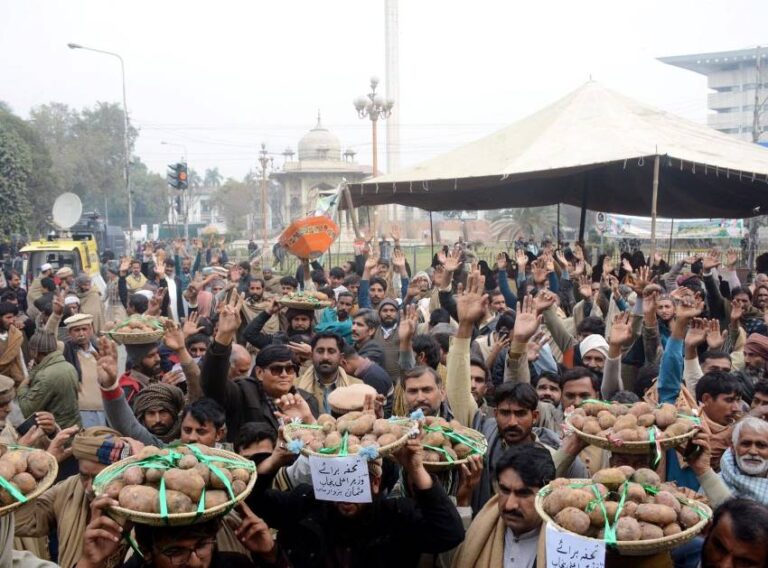
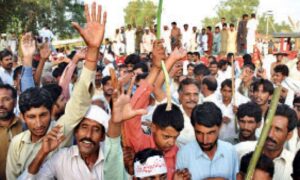
    Pakistan’s farmers have been aghast at a spate of government decisions since the beginning of 2022. In January, farmers protested a hike in electricity tariffs by the former government headed by Imran Khan.

    Simultaneously, farmers were also protesting against the manufactured shortage or urea. Urea was being sold in the black market at Pakistani Rupees 2,500 – against an official rate of Pakistani Rupees 1,768.

    As if the hiked price of electricity and the artificial shortage of urea wasn’t enough, seed companies hiked prices of seeds as well. The price of maize seed had skyrocketed by Rs 3,000 and was being sold at Rs 5,000. The price of freshly harvested potatoes nosedived, as if there were no takers for the farmers’ produce.

    And soon enough, the Imran Khan government, on an advice from the International Monetary Fund, withdrew all tax exemptions to farmers.

    Worse, the government even imposed new taxes. The government said that this was necessary for Pakistan to qualify for an IMF loan.

    The resulting protests, marked by the burning of effigies of the former Prime Minister in all districts of Punjab, dovetailed into the political moves by Khan’s opponents, throwing the former cricketer out of office.

    In the meanwhile, rice farmers in Pakistan Punjab have been complaining of not receiving a fair price for this produce, much of which is exported.

    Farmers spilled out on the streets, partly also inspired by the fights put up by farmers in neighbouring India. Again, as it happened in India, the police came down harsh on them.

    Pakistan farmers protest Imran Khan government decisions

    Agri-tech cooperation

    On Sunday 29 May, Shahzad Ali Malik, Chairman Pakistan Hi Tech Hybrid Seed Association (PHHSA), claimed that Chinese breeding technology was helping Pakistan farmers to easily cultivate high-yield, disease resistant new rice varieties for exports.

    He was talking to a delegation of progressive farmers in Islamabad in the presence of journalists.

    He said Chinese enterprises and research institutes had evolved new varieties of seeds and introduced excellent cultivation techniques helping farmers which boosted rice production and exports from Pakistan to China.

    He said his company brought hybrid rice technology from China to Pakistan in 1999 through a collaboration agreement with ‘Yuan Longping’ a Chinese Agriculture Company that seeks to become a global provider of agricultural technology.

    Malik, who is also the founder chairman Rice Exporters Association of Pakistan (REAP) disclosed that China imported more than 466,617 tonnes of rice from Pakistan during first quarter of current fiscal year. This represents an increasing 9.34 per cent by volume and US$ 175,99 million by worth.

    He said both countries have close cooperation in the agriculture sector which was showing positive results especially in high yielding rice varieties.

    “I Forget a Lot of Things While I’m Studying”: Lead Poisoning Wreaks Havoc On Children’s Lives

    Facing irreparable damage to their health and development, up to 35 million children in Bangladesh have too high levels of lead in their blood, coming mainly from the illegal recycling of used lead acid batteries. Lead poisoning can cause irreparable harm to children’s brains and hamper their ability to develop fully.

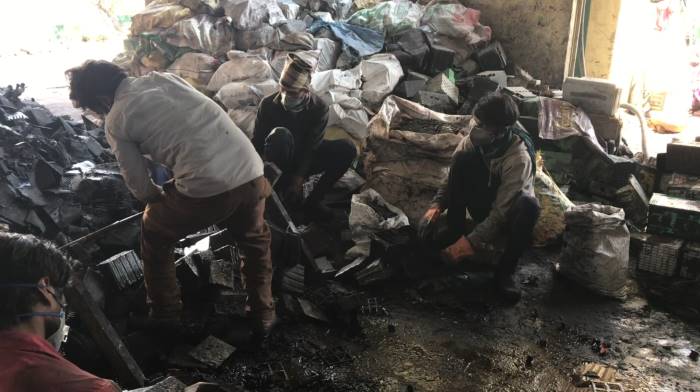
    One night, dark, acrid smoke began rising from the bamboo jungle near Anik’s house in Kathgora. It was coming from an informal factory where workers were recycling lead-acid batteries by hand.

    The smoke soon became a constant feature of life in the village 15 kilometres northwest of Dhaka. In the morning, eight-year-old Anik would wake up to soot covering the leaves on the trees. He and his siblings would play near the site where labourers would be smelting lead recovered from battery cases in open furnaces.

    Then one day, the family’s cow died. It had been roaming and frothing at the mouth before it perished. Anik and his family began to realize that the battery recycling factory was polluting the air around them and causing lead poisoning.

    “There was always black smoke coming from that place, which would make us sick,” Anik recalls.

    “I love football. I used to play over there. I stopped playing there after my mother and grandmother told me not to,” he says.

    When Anik’s blood was tested, it was found to have more than five times the normal level of lead in it.

    Clean-up tackles lead pollution

    Lead poisoning can have grave consequences for children and is particularly destructive to babies and children under the age of five. It can cause irreparable harm to children’s brains and hamper their ability to develop fully.

    The pollution in Kathgora caused an uproar among residents. After enduring the toxic fumes for over a year, the villagers eventually succeeded in forcing the recyclers to leave.

    Pure Earth, which works with UNICEF to prevent children’s exposure to lead, and the Bangladesh Department of Environment cleaned up the Kathgora smelting site with help from residents and local workers. Together they safely disposed of the battery waste that was left behind by the recyclers. They also dug up bamboo trees contaminated by acid that spilled into the ground and removed several inches of soil.

    “Now this is clean land. There is no contamination, no lead pollution here,” says Mohammad Lutful Kabir, Field Investigator from Pure Earth.

    About 18 months after the clean-up operation was completed, children’s blood lead levels had dropped by an average of 9.1 μg/dL – a 42 per cent reduction.

    Millions of children affected

    According to the first global report of its kind by UNICEF and Pure Earth, up to 800 million children around the world have blood lead levels at or above five micrograms per decilitre (µg/dL), the level at which action is required. Nearly half of these children live in South Asia.

    In Bangladesh alone, it is estimated that 35 million children have blood lead levels that are too high. According to the Institute of Health Metrics Evaluation, Bangladesh has the world’s fourth-highest rate of death due to lead exposure.

    Illegal recycling of used lead acid batteries close to homestead areas is often responsible for lead exposure. High concentrations of lead have also been found in spices, for example in lead chromate, which is used to enhance the colour and weight of turmeric.

    Lasting consequences

    Moderate to high levels of exposure can cause children to suffer from headaches, abdominal pain, dullness, loss of memory, poor attention, loss of appetite, or constipation. Lead poisoning can also affect neurological processes and the central nervous system, which may result in agitation or lethargy.

    Even though the recyclers have left Kathgora, Anik is still coping with the after-effects of lead poisoning.

    “I forget a lot of things while I’m studying,” he says.

    His mother, Sharmin Akter, is thankful that the source of her son’s lead poisoning has gone, but she remains concerned about his health.

    “Now Anik is a bit better, but the lead doesn’t just go away. He has memory problems,” she says.

    Food Banks are Early Warning Systems for Emerging Food Crises, But also a Key Solution

    Recent feedback from food bank leaders all over the world already echoes the reality ahead. Food banks are reporting decreases in product donations of up to 50 per cent as planting schedules have been thrown off because farmers cannot get key inputs.

    By Lisa Moon

    For months, the spectre of a global hunger crisis has been looming. The war in Ukraine is a compounding factor, blocking key value chains for food and fertiliser just as the world reckons with the impacts of the COVID-19 pandemic on global hunger.

    Add the pervasive effects of climate change to the mix, and the result is what the United Nations is calling a “perfect storm” that risks one-fifth of the global population – as many as 1.7 billion people – falling into poverty and hunger.

    This number feels so large that it is almost inconceivable, never mind possible to accept. And of course, the mounting global food crisis will not affect everyone equally.

    Recent feedback from food bank leaders all over the world already echoes the reality ahead. Because food banks, especially across emerging and developing markets, are the first (or sometimes only) port-of-call for those facing hunger, they offer a window into understanding the full extent of the coming food crisis: an early warning system of the strains on our food systems.

    More people in need

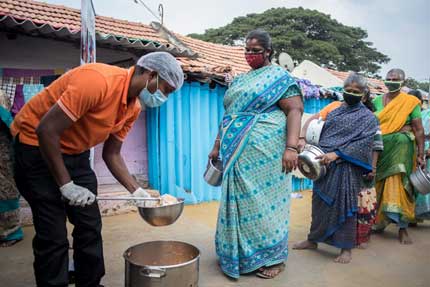
    The Global Food Banking Network works with member food banks in 44 countries, and many of them in Africa, Asia, and Latin America are already reporting that higher food prices are contributing to an increase in demand for emergency food assistance.

    For example, a partner food bank in Ecuador, Banco de Alimentos Quito, has reported a 50 percent increase in demand for services, while another partner, India Food Banking Network, has warned the number of people requesting food has doubled recently.

    If more is not done – and done quickly – these numbers will be just the tip of the iceberg. Tragically, as while demand at many food banks is increasing, supplies donated to food banks are often diminishing.

    These food banks in Ecuador and India — and others across the Network — are reporting decreases in product donations of up to 50 percent. Banco de Alimentos Quito and Banco de Alimentos Honduras, both of which regularly recover fresh produce directly from farmers to distribute to people facing hunger, are flagging that planting schedules have been thrown off because farmers cannot get key inputs.

    In short, less produce is available to donate because of the rise in need and smaller, less reliable yields.

    Food banks in the pandemic

    With the recent World Economic Forum in Davos and the G7 Summit, there are already calls on governments and business leaders to invest more in hunger relief and food aid. This is a crucial first step, but investment will only be as effective as the implementation mechanisms in place to deliver them.

    This is also where food banks can step in effectively and immediately. Because food banks address community food needs even in less precarious times, they are already well positioned to respond to crises by scaling up in times of scarcity and distributing food when conventional supply chains are undermined.

    The COVID-19 pandemic is already a case in point, with global food banks serving 40 million people in 2020, a 132 percent increase from the prior year. And because food banks are community-based and community-led, they can understand and adapt to local needs quite quickly, acting as frontline responders when a crisis hits.

    Responses to the global hunger crisis must include recognition for the critical role food banks play. They will step up and play a crucial role in meeting the sharp increase in demand for food relief in the coming months.

    However, if the global community steps forward and supports the value of these assets further, food banks’ impact can become outsized. And an outsized response is exactly what this coming crisis will require.


    This piece has been sourced from Inter Press Service

    Weathering a ‘Perfect Storm’ of Cascading Crises

    All countries must work together to curb rising food and energy prices that have been spurred on by the war in Ukraine, making sure that essential goods are delivered to those most in need first, not those most willing to pay the higher price.

    By Rebeca Grynspan

    Climate change, COVID-19, the war in Ukraine – these crises threaten to derail development for 1.7 billion of the world’s most vulnerable people. The international community must take swift, coordinated action now to put the SDGs back on track.

    In just two short years, a double whammy of external shocks has knocked global development off track and mired the ambitions of the 2030 Agenda in uncertainty. In the aftermath of the COVID-19 pandemic, developing countries were left exceptionally vulnerable and exposed – a situation which the war in Ukraine has now tuned into a “perfect storm” of cascading crises. The consequences are worrying, not just for developing countries themselves, but also for the success of sustainable development globally.

    The intensity of the “one-two punch” that the war in Ukraine has inflicted on developing economies following the COVID-19 crisis is only dwarfed by the complexity of the transmission channels by which the shock is propagating through commodity and financial markets

    Before any shots were fired in Ukraine, the pandemic had left deep scars across the developing world. Since 2019, the number of people experiencing hunger has increased by 46 million in Africa, by around 57 million in Asia, and by about 14 million in Latin America and the Caribbean.

    An additional 77 million people are now living in extreme poverty. School closures have led to losses of up to USD 17 trillion in lifetime earnings for this generation of students. Meanwhile, more than six million lives have been lost to the COVID-19 disease.

    Inflation inducing interest hikes

    Following a robust though unequal economic recovery in 2021, marked by disrupted supply chains and multi-decade rises in inflation, the war in Ukraine caught the world economy off guard, roiling global markets for food, fertilizers, and fuels in which both Russia and Ukraine play an oversized role. This led to historic rises in commodity prices, and a general tightening of global financial conditions.

    The intensity of the “one-two punch” that the war in Ukraine has inflicted on developing economies following the COVID-19 crisis is only dwarfed by the complexity of the transmission channels by which the shock is propagating through commodity and financial markets.

    Rising commodity prices in energy, food, and fertilizers are leading to higher inflation rates. These are squeezing household budgets, especially in the poorest families who spend larger parts of their income on food and energy. Higher energy costs and lower spending is destroying demand while halting production. Already congested supply chains are being disrupted by sudden trade relocations due to sanctions, and a general scramble for commodities, increasing trade costs.

    Higher inflation is inducing interest rates hikes, increasing the cost of debt. And all of this is impacting the most vulnerable people – women dealing with economic insecurity, children forced to leave school to work, the poor who were already hungry before the war started.

    Many channels of exposure mean that billions of people around the world are exposed. The United Nations Global Crisis Response Group estimates that 107 developing economies are severely exposed to at least one dimension of these three channels of transmissions – rising food prices, rising energy prices, and tightening financial conditions. Some 1.7 billion people live in these countries, 553 million of whom are already poor and 215 million of whom are already malnourished.

    COVID-19 and declining GDP

    And yet, even if just one channel of transmission is enough to set off a crisis, multiple and overlapping exposure is the rule, not the exception. Indeed, of these 107 countries, 69 are significantly or severely exposed to all three channels of transmission at once, bringing huge challenges to the 1.2 billion residents of those nations.

    The firepower of the global economy to respond to crises of such a massive scale exists, as the developed economies’ response to the COVID-19 pandemic demonstrates. While the decline in GDP globally during COVID-19 was more than twice that of the Great Recession of the late 2000s, the effects of the pandemic on the major economies quickly dissipated thanks to unprecedented stimulus efforts by the richest nations.

    But it’s important to keep in mind that the developing economies do not possess the same scale of firepower. They have seen their debt burdens collectively swell during the COVID-19 crisis and now fear being pushed over the edge by the crisis induced by the war in Ukraine – a crisis not of their own making. The International Monetary Fund (IMF) finds that more than 60% of low-income developing countries are either currently experiencing or at risk of debt distress.

    Laying a foundation for reform

    The challenge facing our international financing architecture today is that it was built primarily to protect the global economy from crises at the individual country level. But faced with the “perfect storm” of cascading crises – including climate change, pandemics, and war – hitting so many developing countries at the same time, the system is limited in how it can offer a systemic, global response that supports all countries along all dimensions.

    We must harness the strengths of that system today to lay a foundation for further reform tomorrow, one in which progress toward the Sustainable Development Goals is put back on track. A roadmap for improving the system is implicit in the ambitions of the SDGs, but to meet that transformative goal over the medium term we must first avoid throwing away our steady progress towards that objective so far, as happened with the pandemic. We must therefore use all tools available today to avoid the same from occurring as result of this war.
    Silence the guns

    We must silence the guns. All countries must work together to curb rising food and energy prices that have been spurred on by the war in Ukraine, making sure that essential goods are delivered to those most in need first, not those most willing to pay the higher price.

    We must pledge to keep trade moving and avoid export bans on critical commodities. We must make sure this year’s harvest is able to ship from the Black Sea, and that next year’s harvest has enough fertilizers to grow as needed, especially in small-holding farms. And we must work, in partnership with the private sector and civil society, on extending much-needed support to the most vulnerable populations in our countries.

    This means using all available facilities at the IMF and the World Bank, including the new IMF Resilience and Sustainability Trust, and the existing small island developing states IDA Facility, but also to seriously undertake a multilateral conversation around debt sustainability before it is too late.

    The only way to weather the “perfect storm” is together. The international community has the means to cushion the blow and prevent great human suffering, unacceptable increases in inequalities and the world tipping into an era of social and political unrest. The solutions and the resources are there. We now need the political will to reach them. I know it is not easy. But the world is waiting. And time is running out.


    Rebeca Grynspan is Secretary-General of UNCTAD

    Image: Hippopx image licensed to use under Creative Commons Zero – CC0

    Is Fortified Rice the Only Way to Provide Nutritious Food?

    The lack of a scientific or a democratic approach to improving the state of nutrition with an attempt like rice fortification can lead to more distress scenarios in an already deficient population.

    By Raj Shekhar 

    Dietary diversity is the foremost means of providing nutrition-rich food. The loss of diversity has resulted in much-talked miseries among young and old, women and men – marasmus, under-weight bodies and stunting. The list goes on. The best, often agreed upon nomenclature in government jargon is anaemia.

    It is convenient to blame weakness on anaemia and describe weak, malnourished children as anaemic children. One obvious reason is that anaemia, measured as an incidence of the red blood corpuscles, can be conveniently blamed on the lack of iron in the body. It is also convenient because all it demands in return is to pump anaemic bodies with iron. It is economical and it helps camouflage the bare necessities of life.

    Which is one reason why it is helpful to raise the decibels on anaemia. Not only is a valid concern raised when all forces on earth are moved to speak of anaemia, but it also conveniently shoves the lack of other nutrients and micronutrients under the carpet.

    In return, a factory solution gets thrusted on a purely dietary issue – at the expense of diets and health.

    Indeed, it suits the market as much as it suits the government. Because it all boils down to dismissing undernutrition in the first place. That perhaps explains why we see mention of anaemia in loads of government documents, discussions in Parliament, NITI Aayog seminars and even speeches of the Prime Minister, no less. The use of the word undernutrition is rare. Clandestinely, undernutrition is camouflaged. Even shunned.

    Discomforting questions

    That meeting space of markets and government decisions is a political one and the government has far too often had its way.

    Why? Because addressing nutrition, or undernutrition can open a Pandora’s box. Because undernutrition cannot be blamed on poverty alone. There are other countries that mimic India’s historical and economic antecedents and yet, fare better on the various parameters on undernutrition.

    It can raise the embarrassing question: Why is India home to such high number of undernourished children? Or, even more embarrassing: Why is India doing so poorly on the Global Hunger Index? Yet worse: Why isn’t anyone talking about rampant hidden hunger in India?

    The best way of avoiding such embarrassing questions is to shove it all under the carpet. Talk of anaemia does exactly that.

    An anaemia-dominated discourse on nutrition helps bypass the discussion on nutrition-rich food being the only cure for the growing incidence of hunger and malnutrition. It helps complete a cycle of dishing out carbohydrates by a less-than-perfect public distribution system (PDS).

    These are tough questions posed to people in power by activists, sarcastically dismissed as andolanjeevis who have, for years demanded the expansion of the PDS to provide millets and other nutritious commodities such as oil and pulses procured at minimum support prices. Worse, activists like yours’ truly have even demanded the provision of eggs and other animal-origin products to the food basket. Activists have also pointed to the scope of improving the nutritional status of children and women on a priority basis with the revival of hot cooked meals as part of the ICDS and midday meal schemes. Activists have pointed out that implementing entitlements under the National Food Security Act can resolve many problems related to hunger and malnutrition. Some even link access to forests to nutrition.

    Do also read: Halt Fortified Rice Distribution, Campaigners Tell Jharkhand Government

    Policy dismisses people

    The people’s choice and their right to eat nutritious, diverse food is being attacked on various fronts in today’s India. Serious violations of people’s choice of food and livelihood in the form of laws, bans and calls to boycott the sale and consumption of meat are now a norm. Besides social and economic, these attacks on food habits come with nutritional consequences.

    The distribution of fortified rice through the mid-day meal, ICDS and PDS is one such issue. It raises serious public health and food security concerns. To fight anaemia, the government’s ambitious plan hinge on supplying fortified rice in all food schemes by the year 2024. The Prime Minister even mentioned this in his Independence Day speech in 2021.

    A pilot scheme helming the distribution of fortified rice under the PDS was expected to unfold over three years in 15 districts across 15 states beginning 2019. Yet, the distribution of fortified rice was scaled up to 257 districts of India in 15 states rejecting crucial health and safety parameters even before the pilot scheme was analysed. This approach to tackle malnutrition needs to be questioned as it puts the lives of millions at risk without resolving the problems of hunger and malnutrition.

    Adverse effects from the consumption of fortified rice have been reported from different parts of the country. Reports of people falling sick after fortified rice consumption have come in. The deteriorating impact of fortified rice on health is now documented. Community members have flagged issues around the quality of fortified rice – based on taste, appearance, flavour or smell and its cooking quality and customary issues too. Families complain the cooked rice cannot be kept by for a family member returning home late, because it goes stale very soon.

    Fortified rice, food fortification, anaemia, undernutrition, hunger, food security

    No participation

    These reports also raise some serious questions of no information being given to the beneficiaries about the change in the distributed foodgrains and rejecting any scope of preference or liking by the community for whom such large scale transformations are being made. The information flow within the authorities from the centre to the state level is zero in the fortified rice distribution. State Governments and their machinery are only following the authoritarian order from the New Delhi without any level of intervention as a decentralised democratic structure. It is far too top-down, without even so much as some lip service for participation.

    The Right to Food Campaign and ASHA-Kisan Swaraj conducted a fact-finding on the distribution of fortified rice in Jharkhand and exposed the irresponsible attempt of the government in the fortified rice distribution to already deprived communities. Fortified rice, in effect, a new rice, is being thrust on the communities without their prior consent. The right to informed choice and awareness about the entitlement is being violated. For example, there has been an absence of transparent sharing of information about fortified rice distribution from the government side and the mystery persists regarding the unethical distribution of fortified rice in the villages of Khunti district where people suffered some health-related complications after eating this rice while it has not been the pilot district for the fortified rice distribution.

    Do also read: Greenpeace India Uses RTI to Debunk Government Claims On Fortified Rice

    Even risky

    Mass distribution ignores the FSSAI’s regulation that fortified rice must not be consumed by people with sickle cell anaemia or that thalassemia patients must consume it under medical supervision. In many cases observed in villages, fortified rice led to serious health risks.

    It raises ethical questions: Are food insecure people being used as guinea pigs? Is the experimental pilot scheme of providing fortified rice being forced on communities that have no other option to access their basic staple diets?

    The pilot scheme or its evaluation have yet to be shared in the public domain. The lack of a scientific or a democratic approach to improving the state of nutrition with an attempt like rice fortification can lead to more distress scenarios in an already deficient population. Fortified rice certainly is no magic bullet.

    According to the recent NFHS report, 89.9 per cent of breastfed children between 6-23 months did not receive an adequate diet during 2019-20. The second Hunger Watch survey by the Right to Food Campaign also showed a staggering level of food insecurity across the country. Consumption of nutritious food including eggs, meat products, fruits, milk and green leafy vegetables have been considerably low in the majority of households. 41 per cent of household said their food consumption had deteriorated. The dietary diversity in terms of the quality and quantity of food intake has also been poorly affected.

    This puts to question the accountability that is a sine qua non in a democracy. It also points to how official systems are being bulldozed to formulate a government policy without scientifically derived evidences.

    Till then, Hippocrates’ quote, “Let food be thy medicine” seems abused, or, at best, forgotten by the powers that be.


    Raj Shekhar is a researcher, currently working with the secretariat of the Right to Food Campaign.